Infinity Aviation Group CEO Steven Levesque Outlines FBO Platform Strategy Built on Customer Service and Local Identity
Why It MattersPlatform-style FBO consolidation depends on standardising back-office processes while preserving each airport's local identity, because customer service and tenant relationships, not scale alone, determine whether acquired locations keep their loyalty.
What happened
Steven Levesque, president and CEO of Infinity Aviation Group, says the company is building a platform of fixed-base operators (FBOs) that combines high-touch service with high-tech tools. He has more than 30 years of experience in general aviation, including serving as president and CEO of Hawthorne Global Aviation and leading Edge Jet Center. Levesque said Infinity Aviation is well capitalized to keep expanding its FBO network and improving its existing locations.
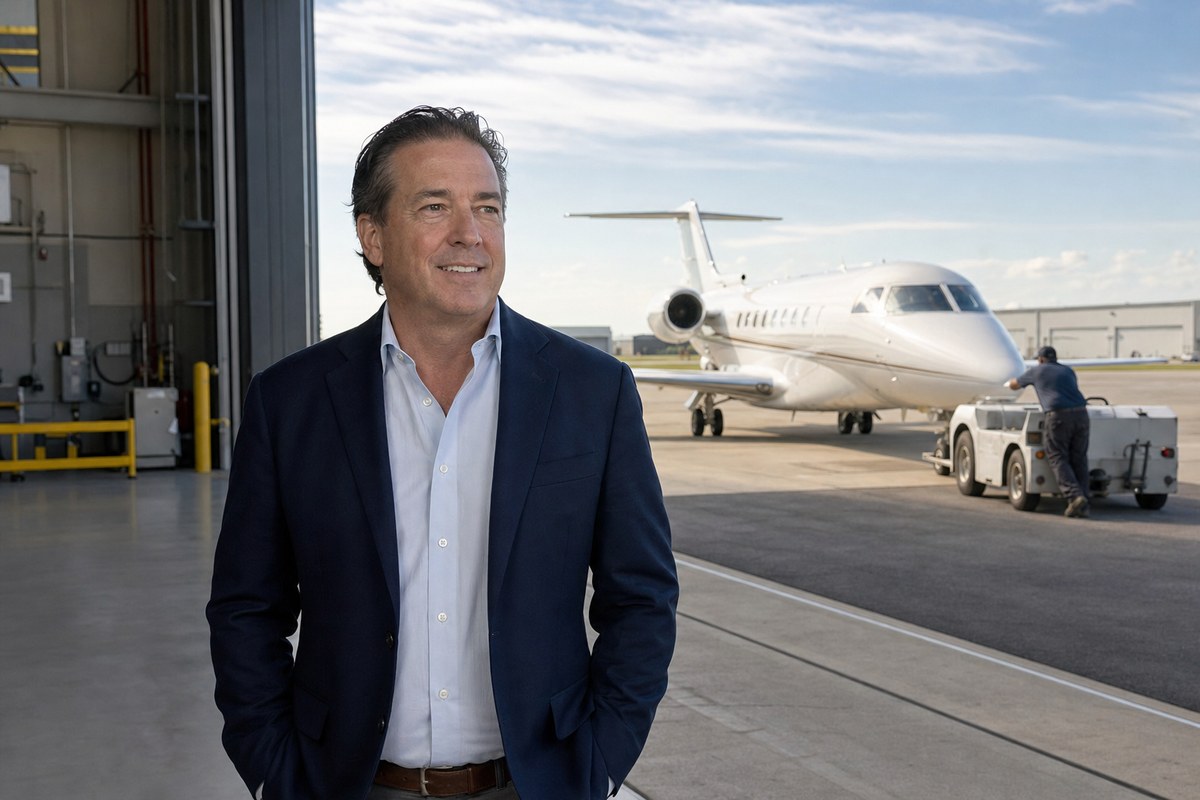
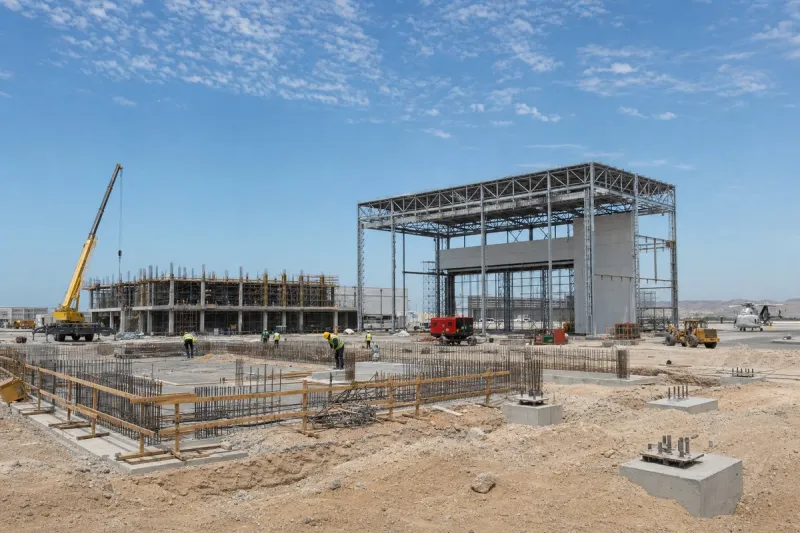
The company's focus is on invigorating each FBO by enhancing customer service and streamlining administrative processes without diminishing local character. With each acquisition, Infinity Aviation spends time getting to know pilots, tenants and the ground team. Levesque identified balancing each FBO's individuality with process streamlining and growth support as a key challenge. The company is also looking to add hangar space and is building a waiting list of suitable tenants.
Levesque cited the spring opening of a new lobby at Infinity Aviation's FBO in Nashua (KASH) as a source of pride. At the grand opening, the company donated US$5,000 to the local Young Eagles chapter. He added that Infinity Aviation has streamlined its digital platforms for planning, strategy and communication while keeping human connection central, and aims to anticipate customer needs in advance.
Industry impact & what to watch
Multi-site FBO groups face a recurring tension: the economies of shared systems and administration pull toward uniformity, while the business at each airport rests on relationships with based tenants, visiting crews and local ground staff. Levesque's own description of the challenge, balancing individuality against streamlining, reflects how this segment works. Acquired locations keep their value largely through the people and reputation already in place.
Hangar space is the other lever he named. Based-tenant demand tends to be stickier than transient fuel and handling traffic, so a waiting list of suitable tenants gives an operator a steadier base to plan around. The Nashua lobby and the Young Eagles donation illustrate the local-identity side of the approach in practice.
The next concrete signals would be further acquisitions announced under the capital Levesque described, and any hangar additions at existing locations.