DHS Secretary Mullin Says No Firings Expected After FAA Nationwide Ground Stop
Why It MattersAttributing a nationwide ground stop to legacy infrastructure rather than individual error turns accountability into a funding question, leaving air traffic modernization to be decided in Congress and not inside the agencies.
What happened
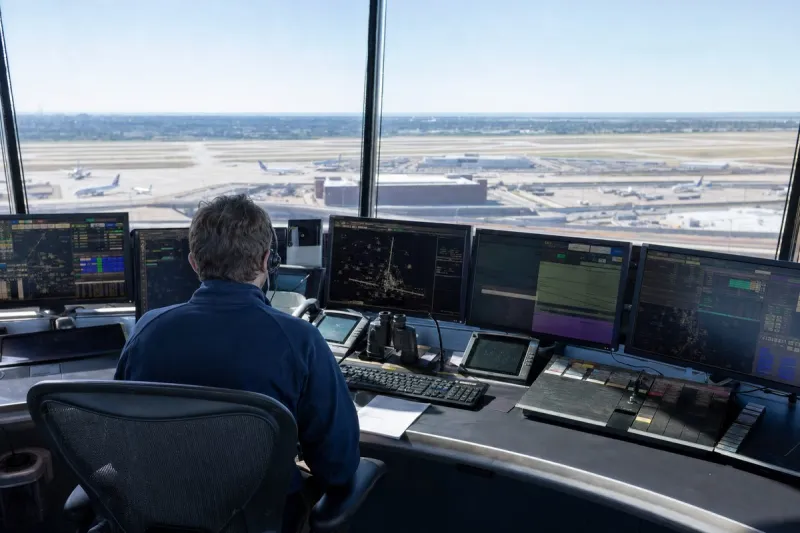
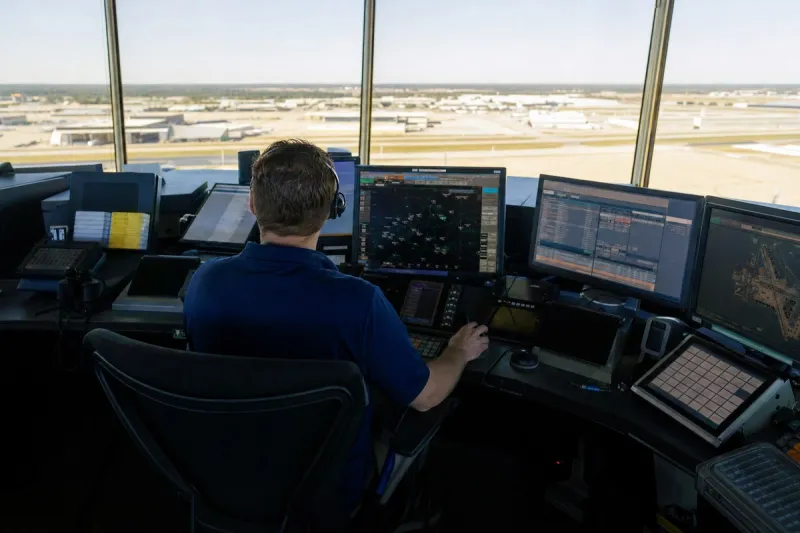
Department of Homeland Security Secretary Markwayne Mullin said he does not expect anyone to lose their job over the equipment failure that grounded flights across the United States on Friday. Asked about firings in a Fox News interview on Sunday, he answered, "I don't think anybody's going to get fired over this."

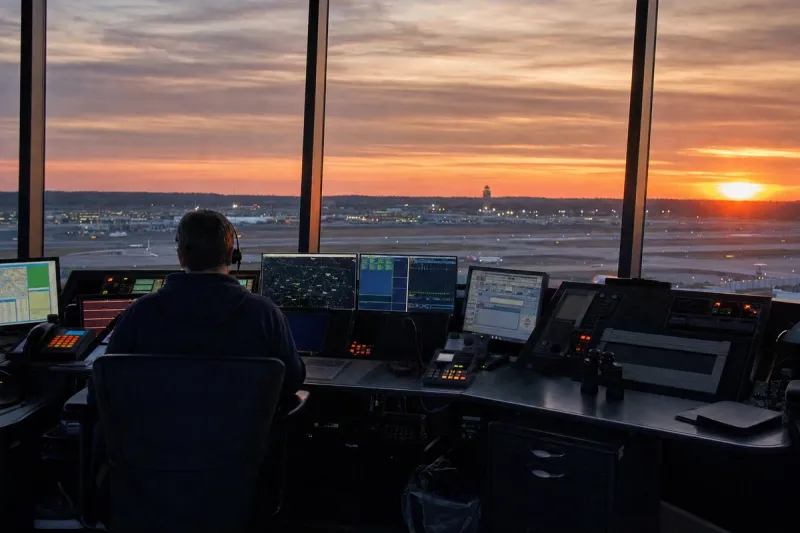
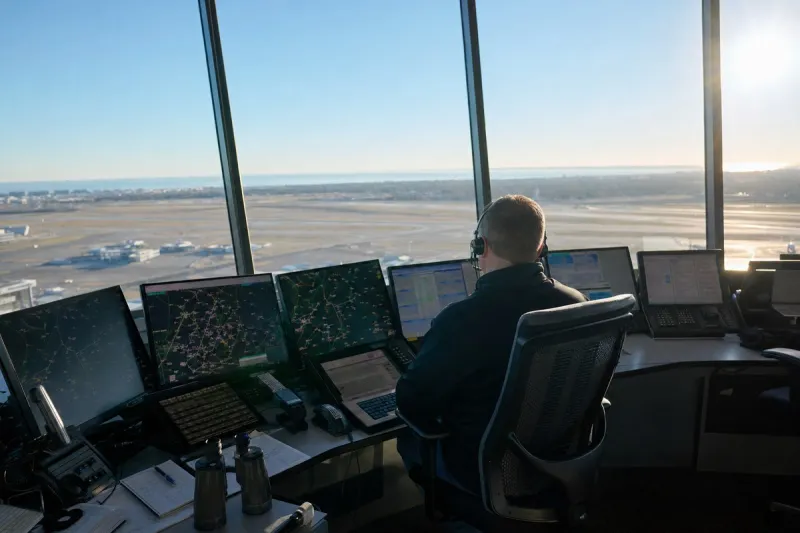
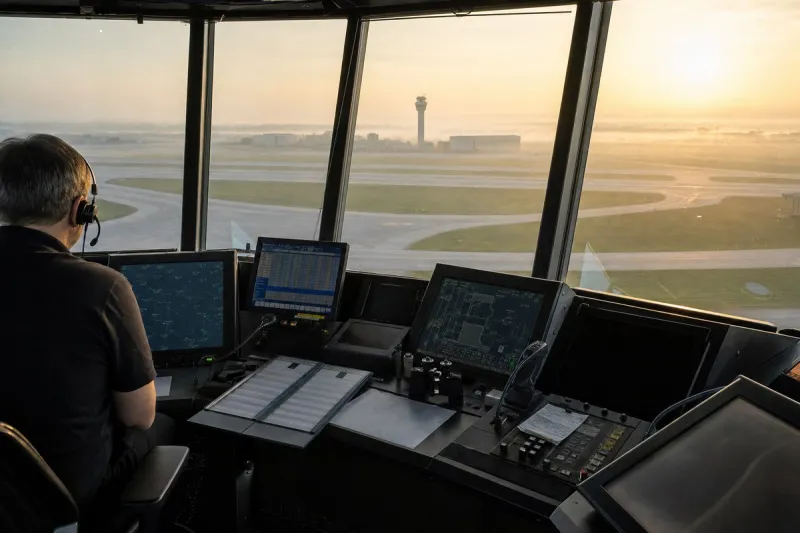
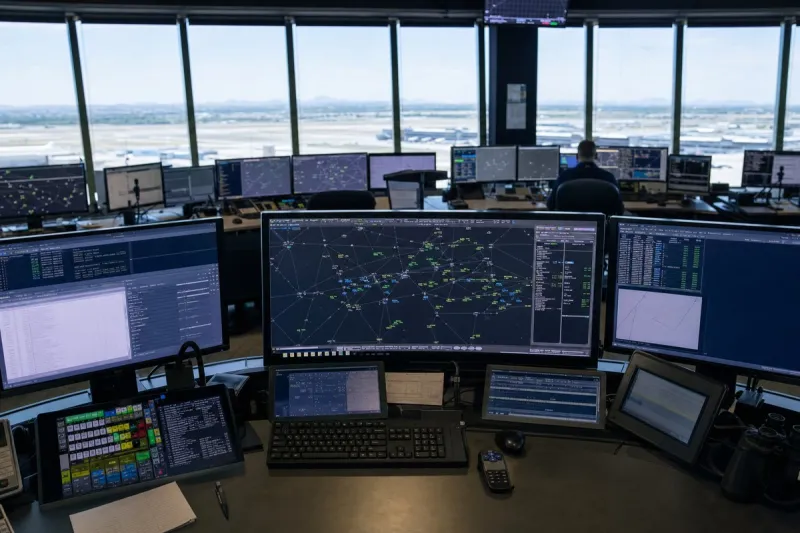
Mullin said the failure appeared to stem from efforts to connect newer technology to the Federal Aviation Administration's decades-old communications system, which he described as a roughly 50-year-old system that is essentially an old dial-up system. Asked whether a cyberattack by a foreign government or a hacker could have been responsible, he said it did not appear so, putting the cause at "98 percent certainty" on the aging system being operated in today's environment.
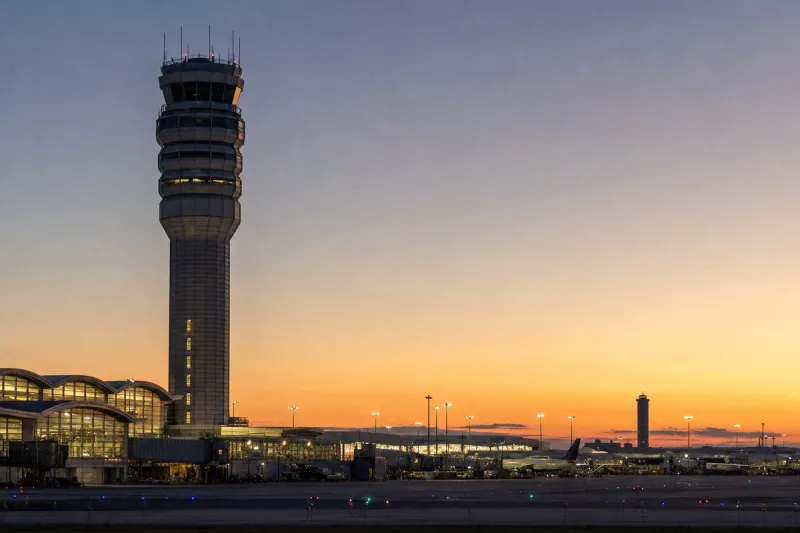
The Friday outage forced the FAA to temporarily ground all U.S. flights, stranding passengers and causing thousands of delays and cancellations. Air traffic control systems have since been restored, but delays have continued for days. As of Monday morning, FlightAware showed 8,999 airline delays and 562 flight cancellations nationwide.
The Trump administration, including President Trump, has blamed years of inadequate funding for leaving the air traffic control system reliant on outdated technology. Transportation Secretary Sean Duffy pointed to Congress, renewing a push for an additional $50 billion to update air traffic control infrastructure, and said $12.5 billion after decades of underinvestment is not nearly enough. Duffy also brushed off suggestions that the department cut ties with the contractor behind the ground stop.
Industry impact & what to watch
Framing the failure as a product of legacy infrastructure shifts the debate away from individual accountability and toward capital spending. When the stated cause is a half-century-old system being asked to interface with newer technology, the fix is a multi-year modernization program, and that is a matter for appropriators rather than for personnel decisions at the FAA or its contractors.
For business aviation, a national ground stop is felt as lost schedule reliability, since business aircraft share the same airspace and the same air traffic control system as the airlines. Delays that persist for days after systems are restored show how a single point of failure can ripple through repositioning flights and trip planning well beyond the outage itself.
The funding dispute is the item still pending. Duffy's request for an additional $50 billion sits against the $12.5 billion already allocated, and whether Congress closes any of that gap will determine how quickly the integration work Mullin described can proceed.