White House, DOT Ask Congress for Further $30.1 Billion to Upgrade US Airports and Air Traffic Control
Why It MattersThe request shows air traffic control modernization is now a multi-tranche, multi-year capital program, tying telecommunications, automation, towers and terminals together, with delivery depending on how quickly Congress appropriates each phase.
What happened
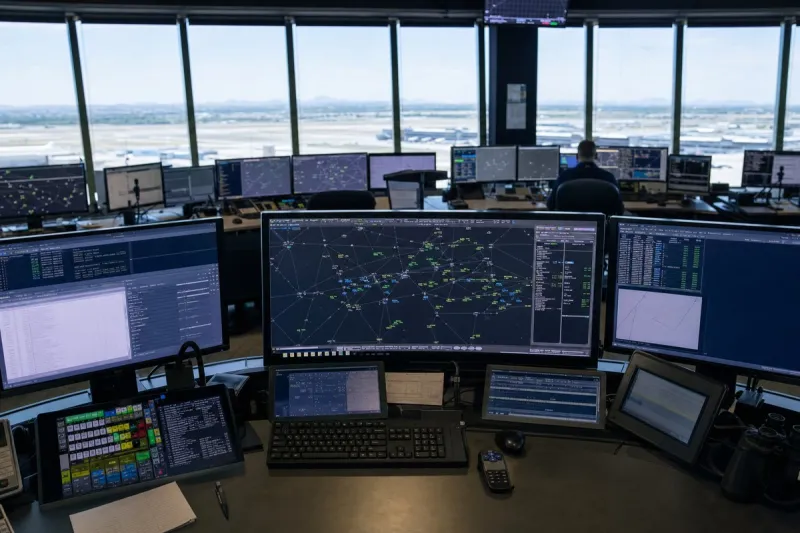
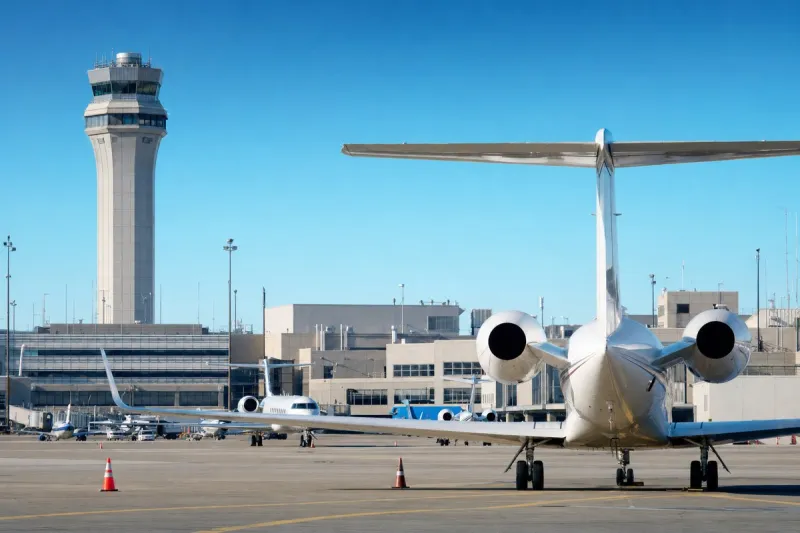
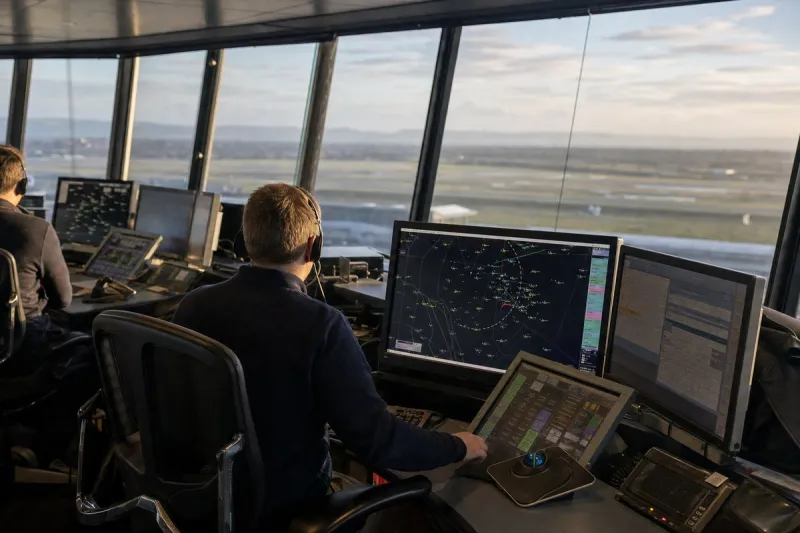
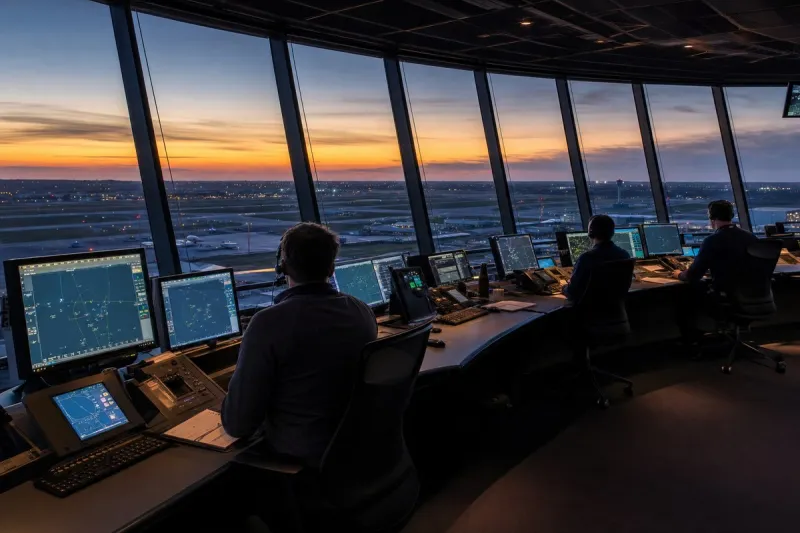
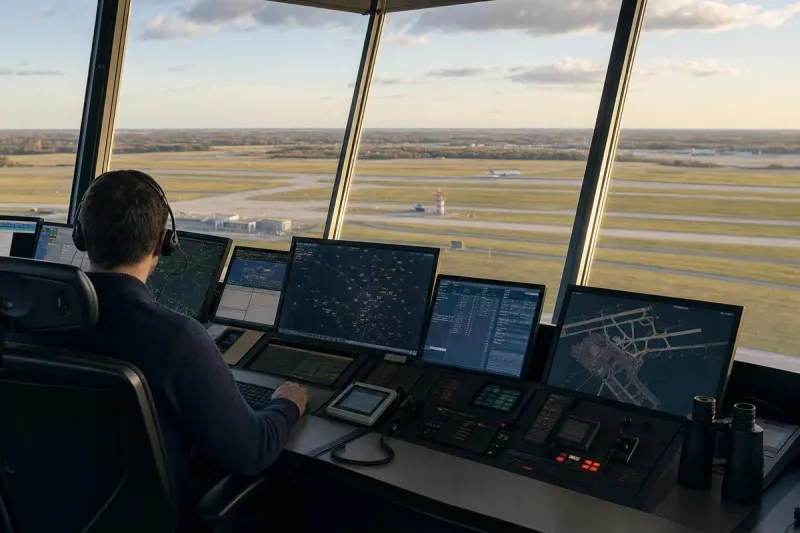
The White House and the Department of Transportation on Friday urged Congress to approve a further $30.1 billion to upgrade the United States' aging airports and air traffic control system. In a letter to lawmakers, Transportation Secretary Sean Duffy and Office of Management and Budget Director Russell Vought asked for swift action, writing that the investment is critical to complete modernization of the national airspace, including a resilient telecommunications backbone, modern hardware and software, and new control towers.
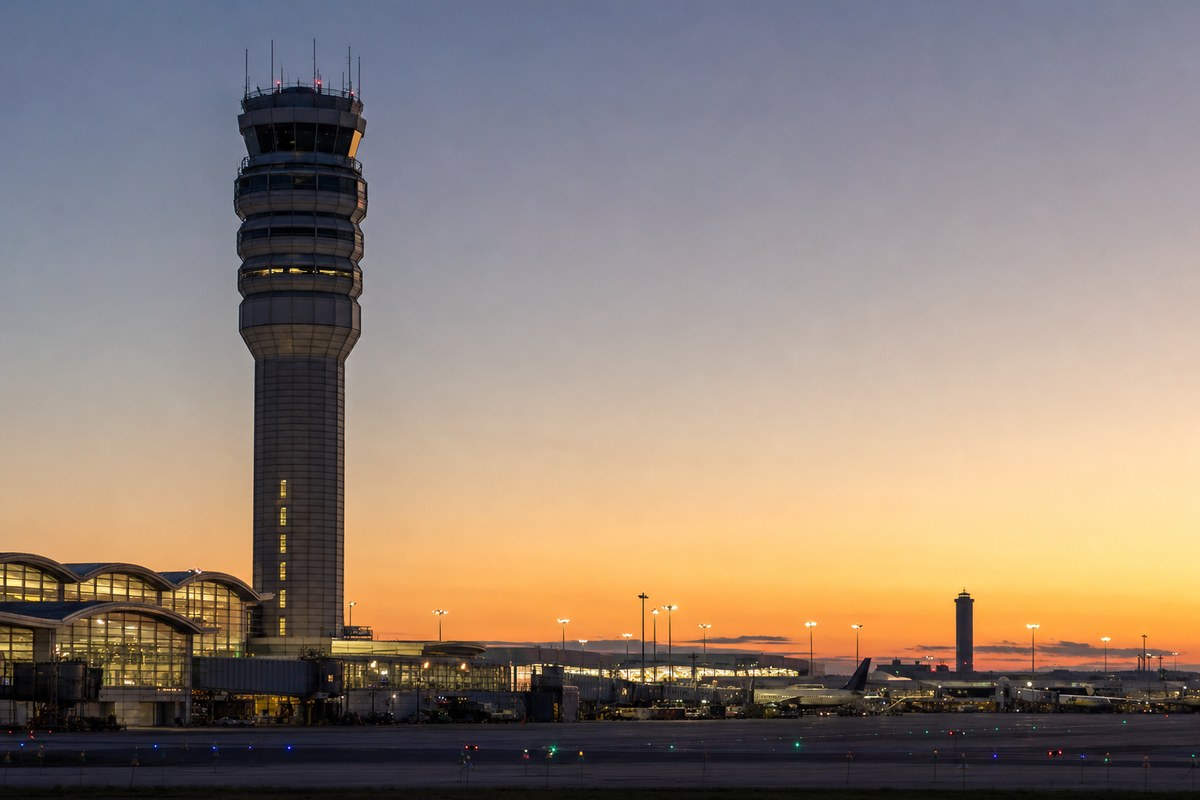
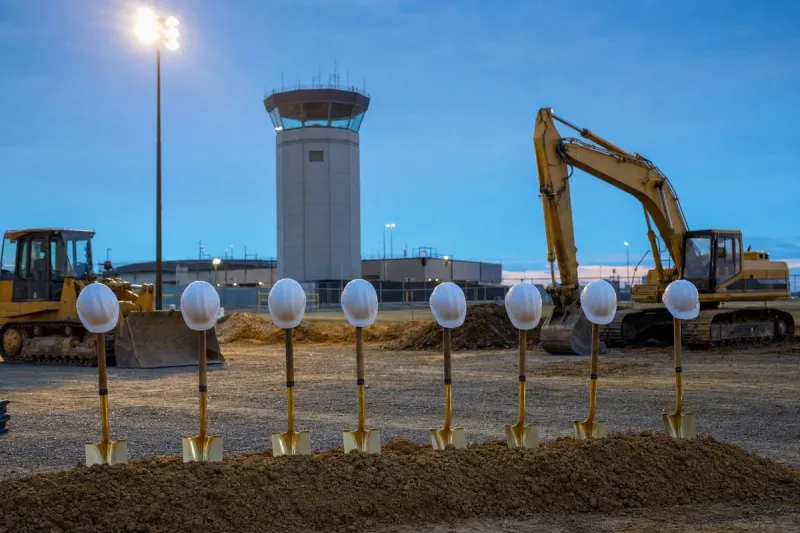
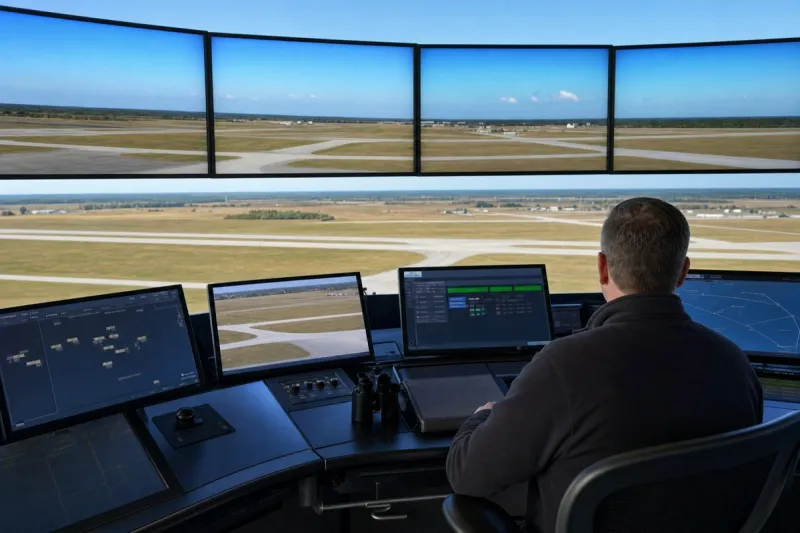
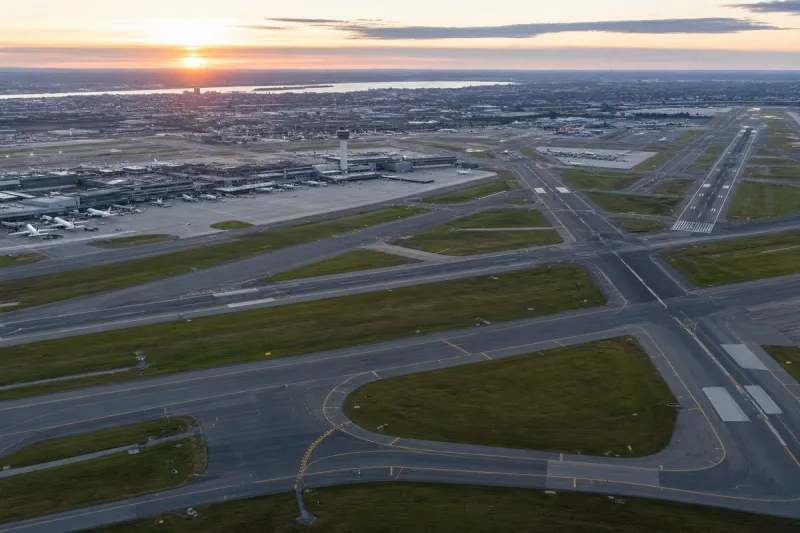
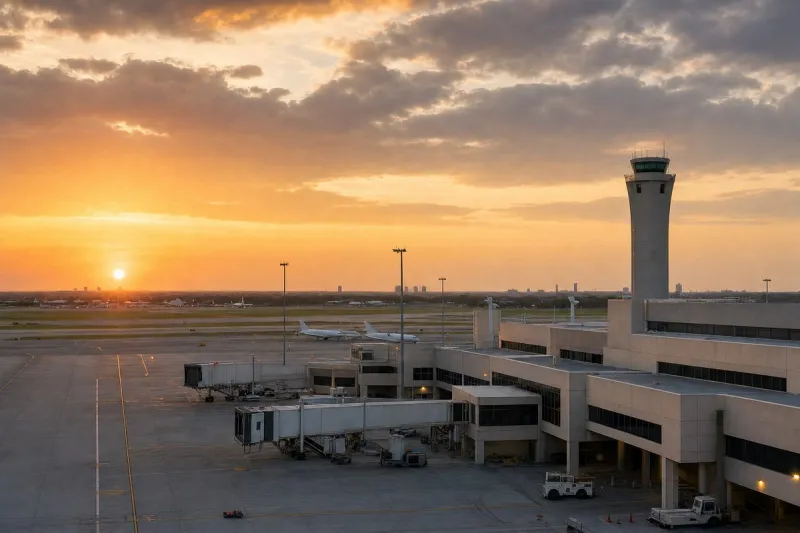
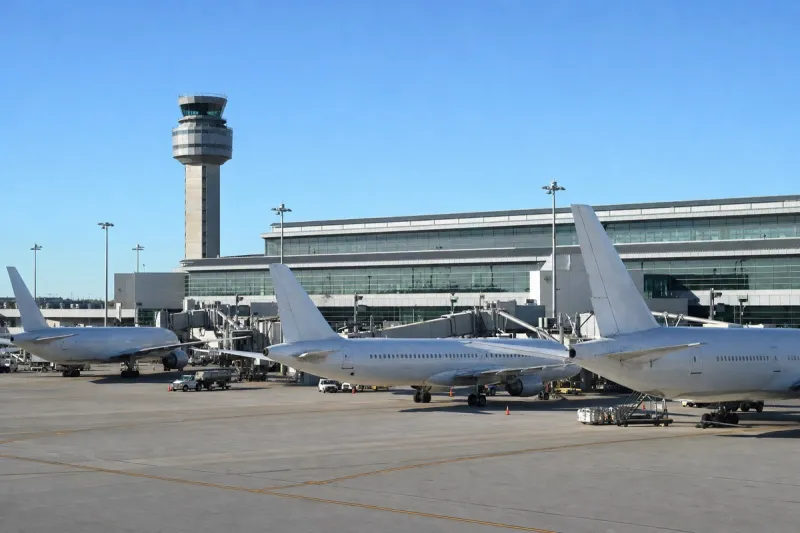
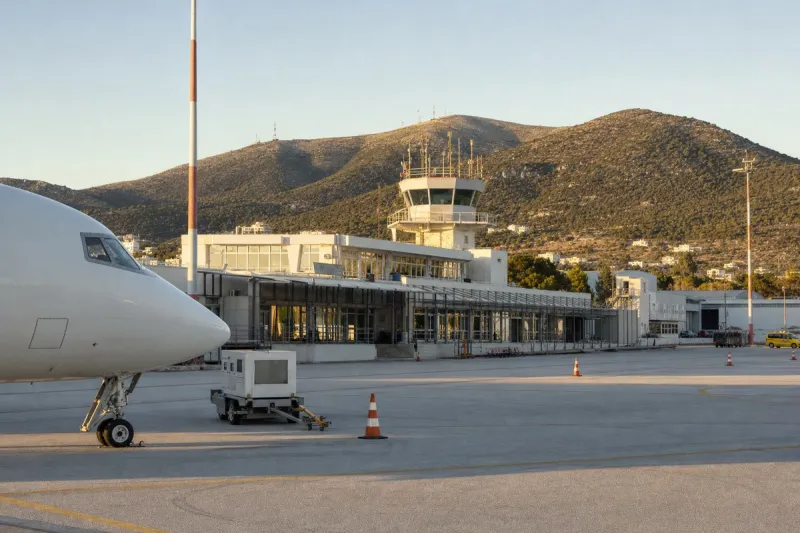
The request breaks down into air traffic control modernization and airport projects. On the control side it includes $7.2 billion for a common automation platform and controller workstations and $2 billion for cloud computing, plus $2 billion to replace and improve Federal Aviation Administration (FAA) air traffic control towers. It also includes $18 billion for airport-related projects, among them $10 billion to modernize or replace aging terminals.
Congress approved $12.5 billion over five years in July 2025 to upgrade air traffic control and increase the hiring of controllers, following complaints about airport congestion, flight delays and technology problems. In January 2025, a midair collision at Ronald Reagan Washington National Airport killed 67 people. Duffy and Vought said the FAA has replaced 68% of its legacy copper telecommunications network with high-speed fiber infrastructure, and American Airlines, Delta Air Lines, United Airlines and Southwest Airlines have expressed support for the request.
The FAA relies on decades-old computers and replacement parts bought through auction websites. Last week it said it would replace, by the end of 2028, floppy disks used for weather and other critical information at more than 400 air traffic control facilities. In September, the failure of a circuit at a Philadelphia air traffic facility and the accidental severing of a fiber-optic cable in New Jersey by a construction crew led to thousands of flights across the Northeast being delayed or canceled.
Industry impact & what to watch
Read against the July 2025 package, the new ask suggests air traffic control modernization is being funded in stages rather than in one appropriation. The first tranche paid for controller hiring and initial upgrades; this one targets the deeper layers, from the automation platform and cloud computing to towers and terminals. For anyone planning around US airspace capacity, that means improvements arrive as individual projects are funded and delivered, not as a single switch-over.
The September disruption in the Northeast shows why the telecommunications backbone sits first in the letter's argument. A single circuit failure and a severed cable were enough to delay or cancel thousands of flights, which illustrates how concentrated the dependency on a few facilities and links is. Business aviation shares the same airspace and the same facilities as the airlines, so a failure of this kind does not spare flights operating under different rules.
The next milestone is a congressional decision. The administration has asked a Republican-led Congress to act in the final week of its session, so whether the $30.1 billion moves, and in what form, will be settled by lawmakers rather than by the FAA's own schedule.