Arkia Applies for Permanent U.S. Carrier Permit as Israir Weighs Acquisition Approach
Why It MattersA permanent U.S. permit would give Arkia lasting transatlantic standing just as heavy route overlap with Israir makes any combination of the two a question for competition regulators.
What happened
Arkia Israeli Airlines has applied to the U.S. Department of Transportation (DOT) for a permanent U.S. foreign air carrier permit covering scheduled and charter passenger, cargo and mail services between Israel and the U.S. under the countries' Open Skies agreement. It has also applied to renew its existing exemption while the permit request is reviewed. Arkia's U.S. authority was first granted as an exemption in 2003 and most recently renewed in November 2024. Because the new application was filed before that authority expired, the airline may keep operating while the department decides.
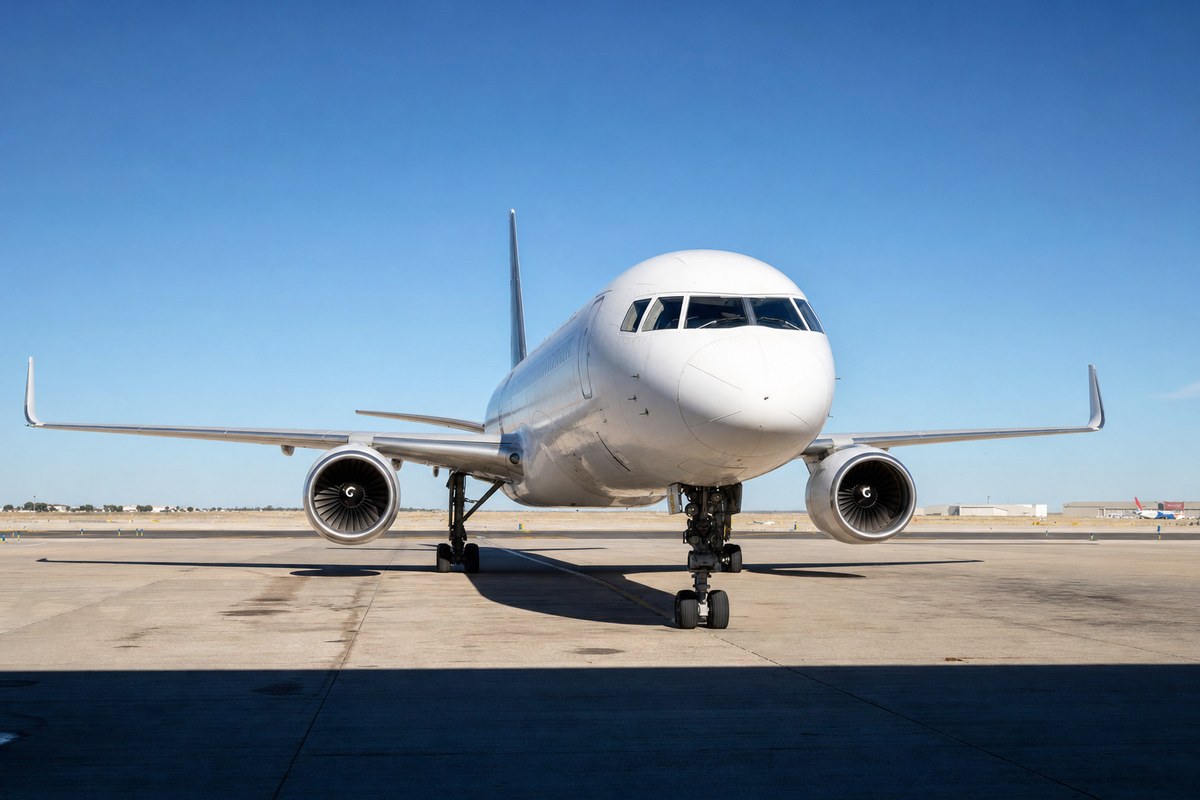
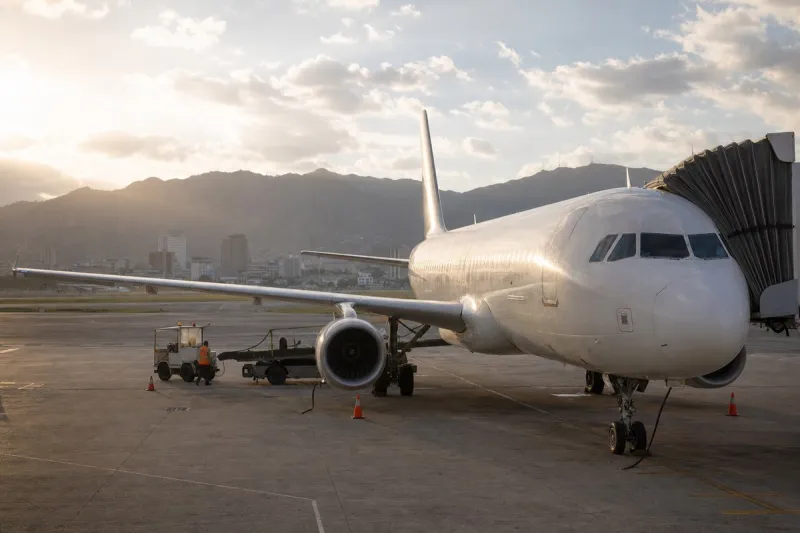
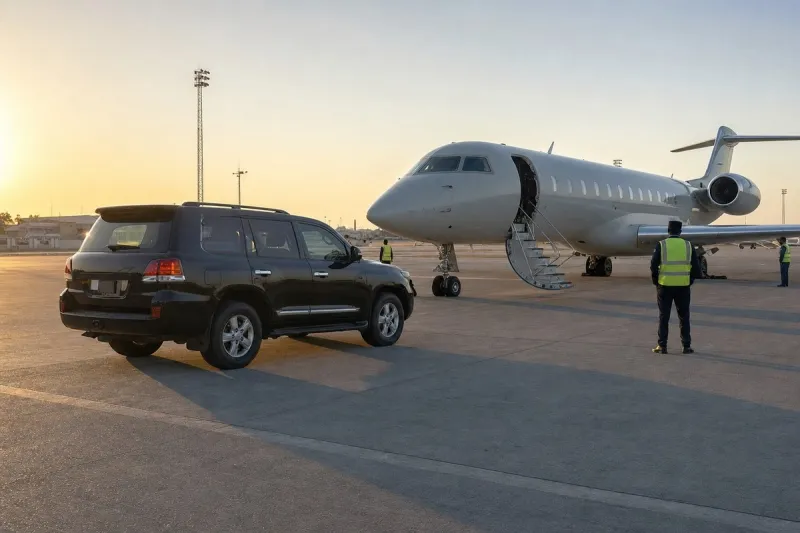
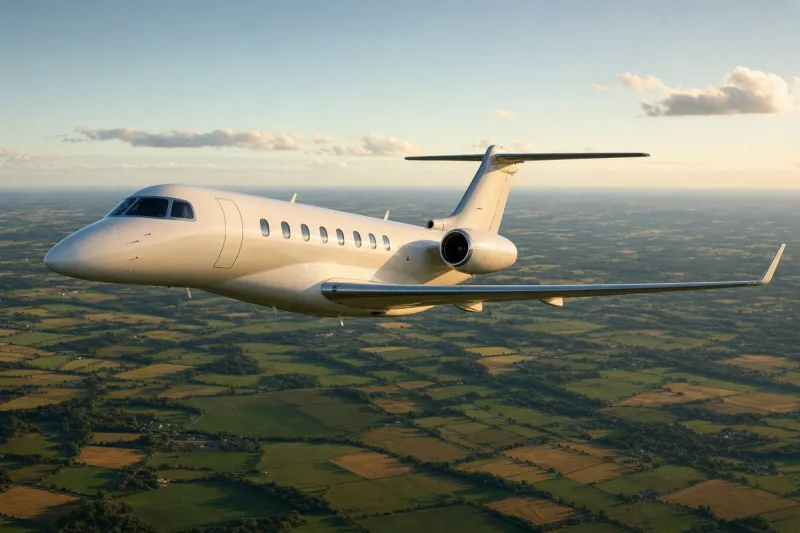
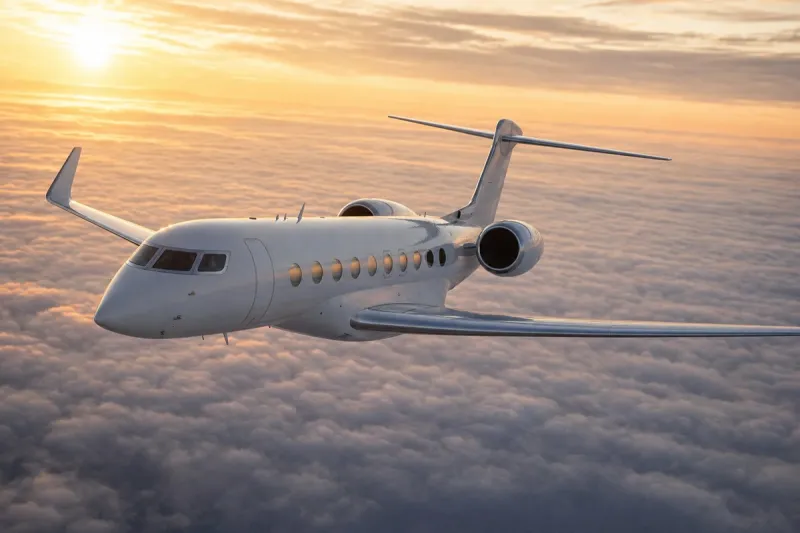
Arkia continues to rely on wet-leased widebodies for its Tel Aviv-New York JFK service, which initially used an Airbus A330-900 wet-leased from Iberojet. The CAPA Centre for Aviation Fleet Database shows an A330-200, an A330-300 and a Boeing 787-9 in operation, alongside eight narrowbody and regional aircraft. The DOT filing lists seven aircraft that Arkia owns or dry leases: three A320ceos, two A321LRs and two Embraer E195s.
The filing comes as Israir weighs a possible purchase of Arkia. In a Nov. 4 stock exchange disclosure, Israir confirmed it had been approached about an acquisition but said it had not yet formally considered the proposal and that there was no certainty a transaction would result.
OAG Schedules Analyser data shows the two carriers offered almost 5 million scheduled seats between January and November 2026, up 11.6% year on year. Israir accounted for about 2.62 million seats (down 1.1%), while Arkia's capacity rose 30.1% to approximately 2.38 million. The airlines competed on 32 airport pairs, which made up about 4.21 million seats, or 84.2% of their combined capacity. About 88% of Arkia's seats and 81% of Israir's were in markets served by both.
Where the two networks overlap
Tel Aviv-Eilat was the largest shared market, with almost 580,000 two-way seats, followed by Athens at about 439,100. New York has recently joined the list of shared markets: Israir began Tel Aviv-JFK flights in September, putting the two carriers in direct competition on the only U.S. route either currently serves.
Some markets belong to one carrier alone. Arkia served destinations including Bangkok, Hanoi, Phuket, Amsterdam and London Stansted during the period, while Israir's exclusive markets included Berlin, London Luton, Salzburg and Naples, as well as several Balkan and Mediterranean destinations.
Industry impact & what to watch
A permanent permit changes the nature of Arkia's U.S. position. For two decades its access has rested on an exemption that needed periodic renewal; a permit under Open Skies would be a standing authorization. The timing matters because Arkia's only U.S. route is now contested by Israir, and a carrier that relies on wet-leased widebodies for that route has a stronger case for long-term investment when its operating authority is no longer up for renewal.
The overlap figures set the terms of any combination. With 84.2% of the two airlines' combined seats sitting on routes both fly, a merger would remove competition on most of what they offer rather than add new destinations, and that is the pattern competition regulators scrutinize hardest. Israir's own disclosure is cautious, saying the proposal has not been formally considered, so the approach and the permit filing are separate tracks that happen to run in parallel.
The next concrete markers are the DOT's decision on the permit and renewal, and whether Israir moves from confirming an approach to formally taking up a proposal. Until one of those happens, both airlines keep flying their current schedules.