Engine Assurance Program marks 10th anniversary, cites 99.98% dispatch reliability
Why It MattersPay-by-event engine and APU coverage keeps competing with hourly maintenance programmes, and its case rests on rental-engine availability and fast LRU turnarounds, which are hard to verify from outside.
What happened
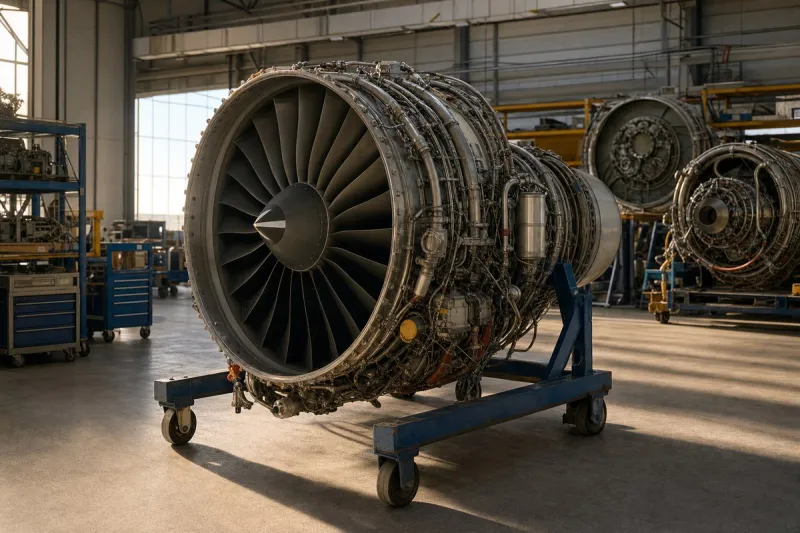
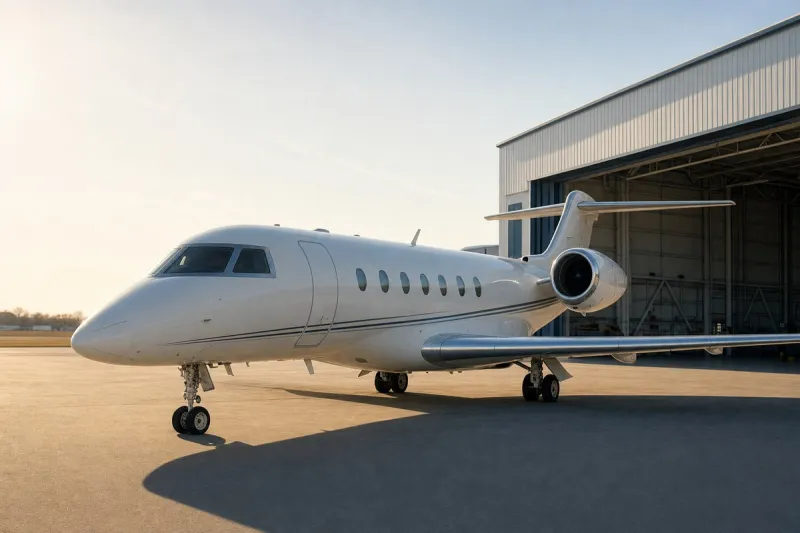
Engine Assurance Program (EAP) is celebrating its 10th anniversary. The company was founded in 2016 as an alternative to traditional hourly engine maintenance programmes, and it covers engine models and auxiliary power units from General Electric, Honeywell, Pratt & Whitney Canada and Rolls-Royce.

According to the company, hundreds of engines and APUs have been enrolled in the programme. EAP maintains a multi-million-dollar parts inventory and claims a 99.98% dispatch reliability rate.
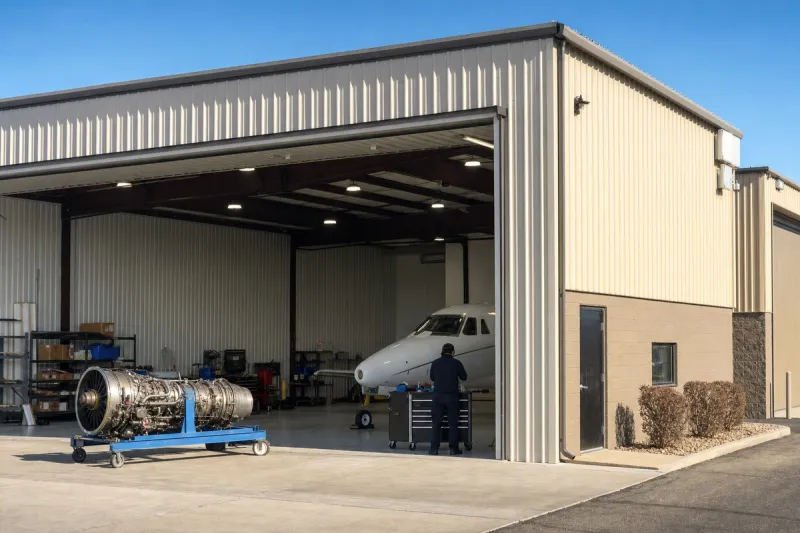
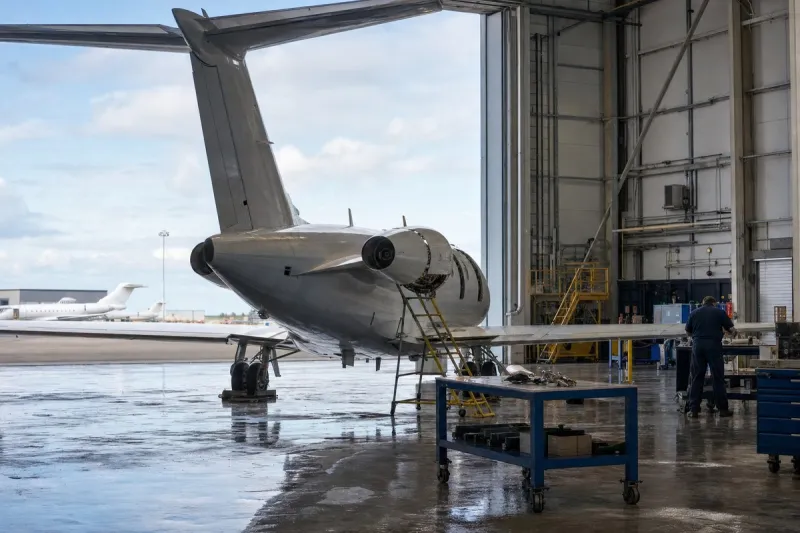
Sean Lynch, managing director at EAP, said the company has provided TFE731 rental engines 100 percent of the time over the past 10 years, including during major period inspections (MPIs). He also pointed to a strong record of quick turns on engine line replaceable units (LRUs), which commonly fail and are not always readily available.
Recent additions to the offering include increased APU support and RAPID TEAM response for AOG situations and scheduled engine maintenance events. EAP has also assembled a team of industry experts. Joe Vitulli came out of retirement to join as northeast sales director, having led northeast sales for Honeywell Aerospace before retiring after a 39-year career. Chuck Oberfield, EAP's director of APUs, brings 40 years of aviation experience, including three decades with Honeywell Aerospace.
Lynch said EAP has stayed true to its founding principles: listen to operators, respond when they need support, and provide straightforward assistance backed by people who understand their engines, APUs and operations.
Industry impact & what to watch
Engine maintenance programmes sit at the centre of business-jet operating cost, and the hourly model that EAP positions itself against remains the default for many owners and operators. A provider that has lasted ten years in that niche shows there is a standing market for coverage priced and structured differently from the OEM-style hourly plan, particularly for older engine types such as the TFE731.
The claims that carry the most weight in this segment are availability claims: whether a rental engine is on hand during an inspection, and how fast a failed LRU comes back. Those are operational outcomes that customers feel as downtime, which is why the 99.98% dispatch figure and the 100 percent rental record are company-reported numbers that an operator would want backed by contract terms and service-level language rather than anniversary messaging.
The push into APU support and AOG response reflects where unscheduled downtime tends to bite. An operator comparing programmes would line up engine coverage, APU coverage, parts inventory depth and response-team commitments together, since a gap in any one of them can ground an aircraft regardless of how the others perform.