Jazeera Airways Takes Ground Handling In-House at Kuwait International Airport's Terminal 5
Why It MattersBringing ground handling in-house shows how growing low-cost carriers seek tighter control of turnaround times and costs by building their own operating capabilities, instead of relying on outsourced providers as fleets expand.
What happened
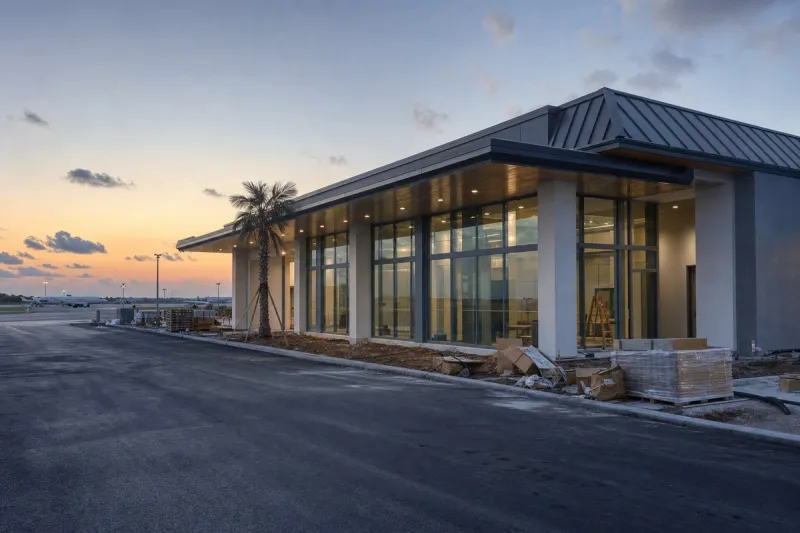
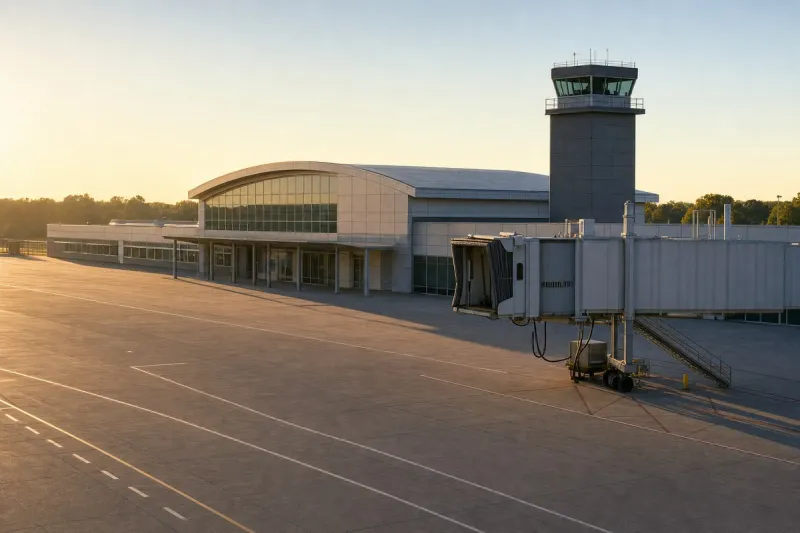
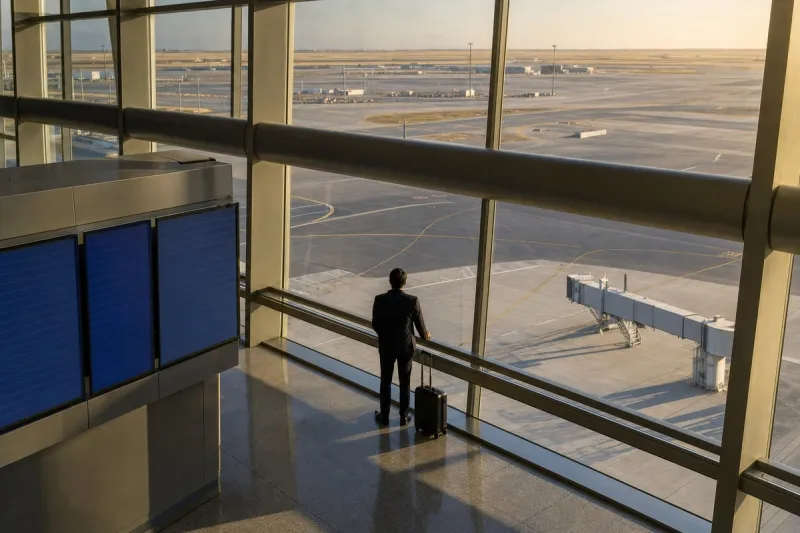
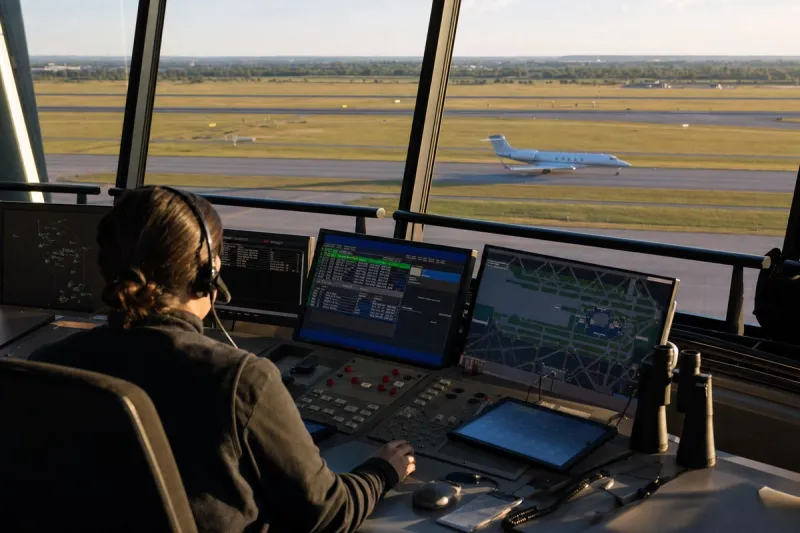
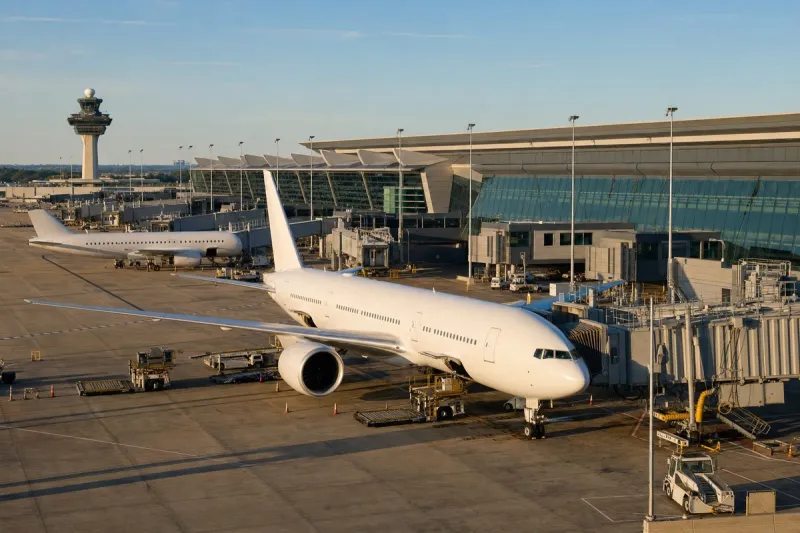
Jazeera Airways has taken direct control of its ground handling operations at Kuwait International Airport. The low-cost carrier began operating its own ground handling services at Jazeera Terminal 5 (T5). The first flight handled by its newly established team arrived from Madinah before departing for Beirut.
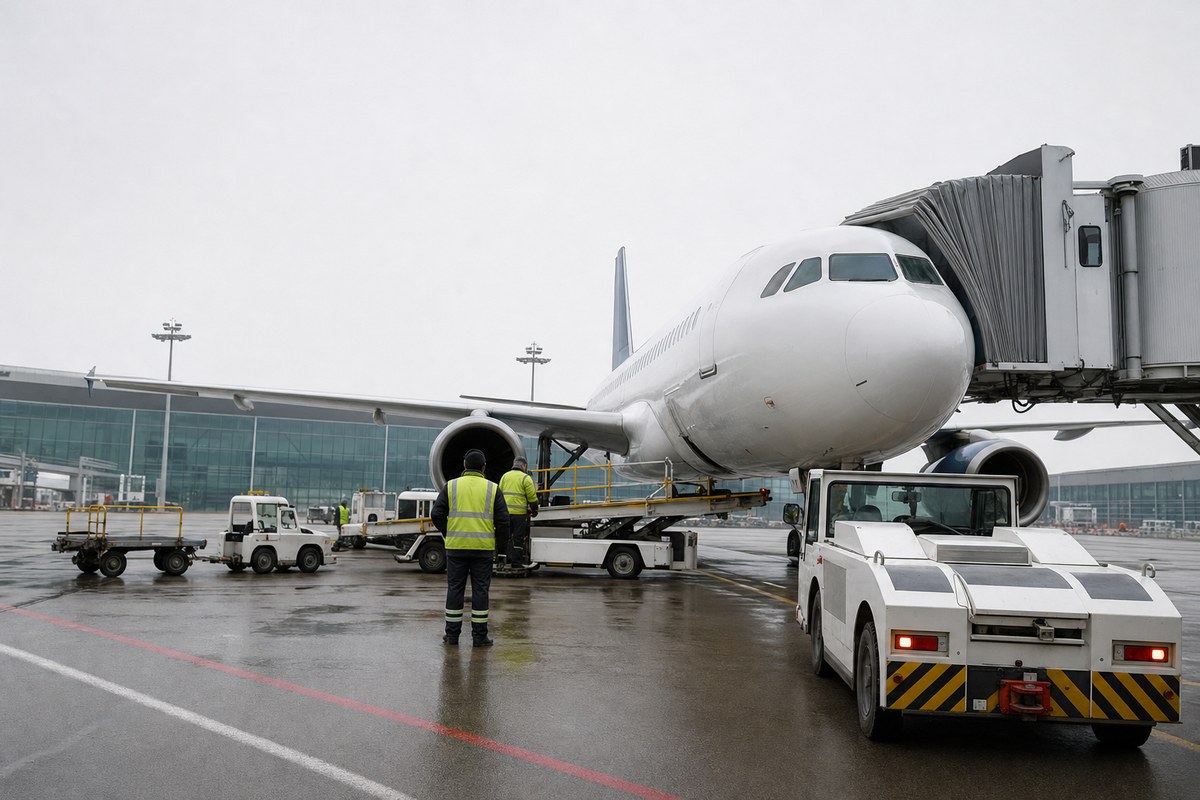
The airline described the move as a transition away from outsourced ground handling towards a model in which it takes greater responsibility for coordinating aircraft operations. It said the aims are to improve efficiency, manage costs and prepare for further fleet and network growth.
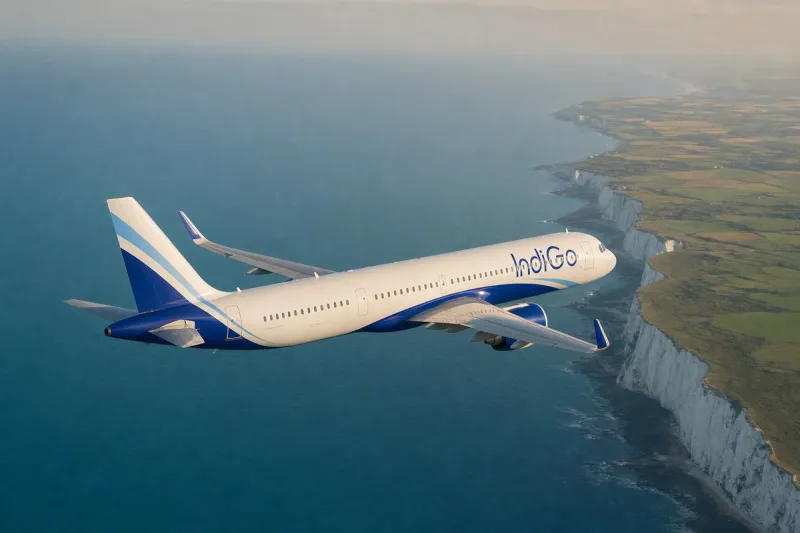
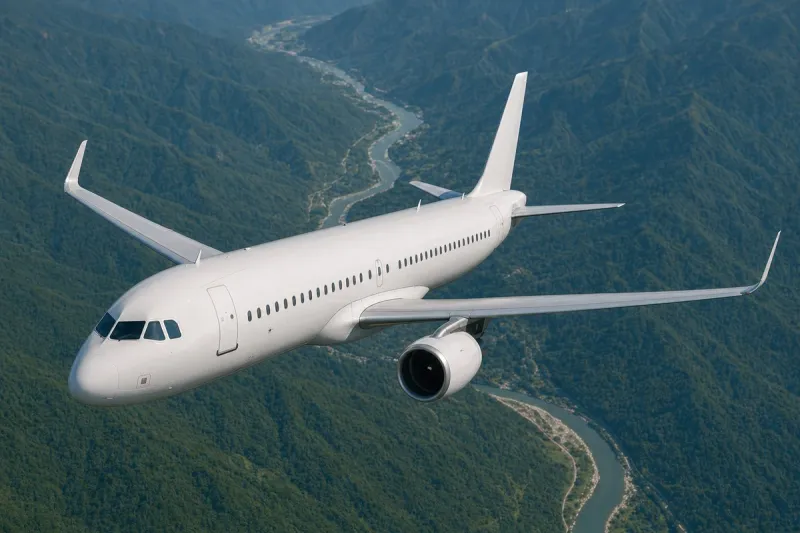
The change comes as Jazeera Airways enters another phase of fleet investment. The airline has an order for 26 Airbus aircraft, made up of 18 A320neo and eight A321neo. The first A320neo from the order has already joined the fleet, with another delivery expected before the end of 2026. In-house ground handling sits alongside investments in aircraft maintenance and aviation training as part of a broader effort to build a more integrated operating structure.
Barathan Pasupathi, chief executive of Jazeera Airways, said taking greater ownership of operations and the customer journey enables the airline to strengthen service quality, improve aircraft turnaround times and drive long-term cost efficiencies. He added that fleet and network expansion needs to be matched by investment in the operational capabilities and infrastructure required to sustain growth. The airline also expects its ground handling operations to create employment opportunities and develop specialised aviation skills in Kuwait, in line with the country's Kuwait Vision 2035 ambition.
Industry impact & what to watch
Low-cost carriers live and die by turnaround time and unit cost, and ground handling is one of the few levers that sits directly between the two. Outsourced handling means the carrier depends on a third party's staffing, equipment and priorities at the moments when its aircraft are most exposed to delay. Taking the function in-house trades that dependency for fixed investment and the need to recruit and train a workforce.
The timing matters because the model only pays off at scale. A carrier receiving new A320neo and A321neo aircraft has more rotations to protect, and a handling team it controls can be scheduled around its own flying pattern. Pairing handling with maintenance and training investment points to a vertically integrated operating base rather than a single cost-saving move.
The next milestones are operational and visible: the delivery expected before the end of 2026, and whether the in-house team handles a widening share of the schedule at T5 as the new aircraft arrive.