Ezeiza Main Runway Cut From 3,300 to 1,850 Meters Through Nov. 11 During Overhaul; Wide-Body Operations Curtailed
Why It MattersRunway length, not terminal capacity, set who could keep flying: carriers able to split long-haul sectors through fuel stops kept the market while full-weight wide-body departures from Buenos Aires effectively paused.
What happened
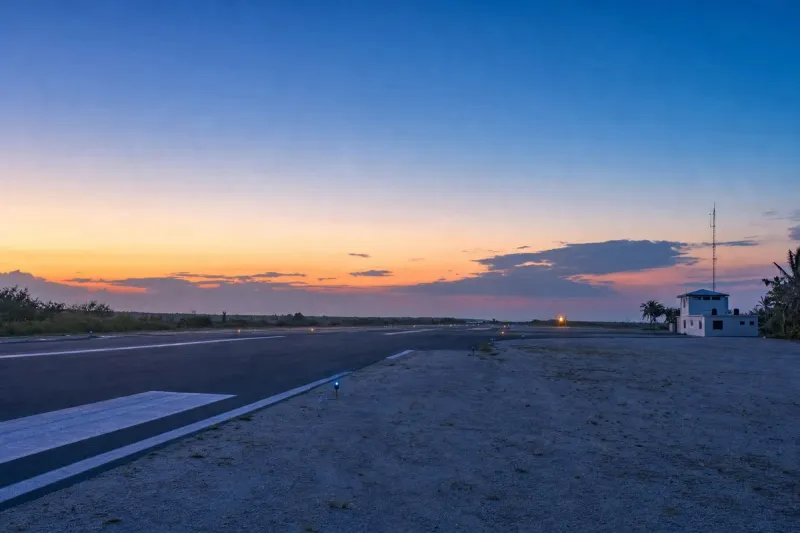
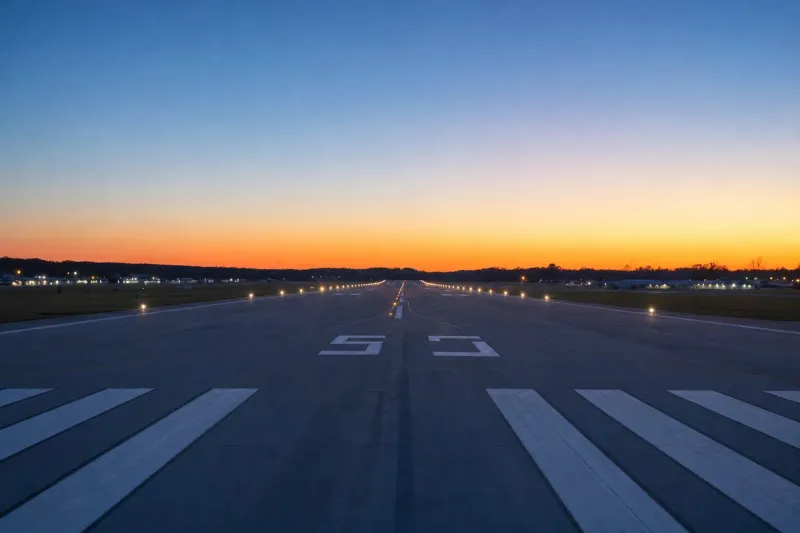
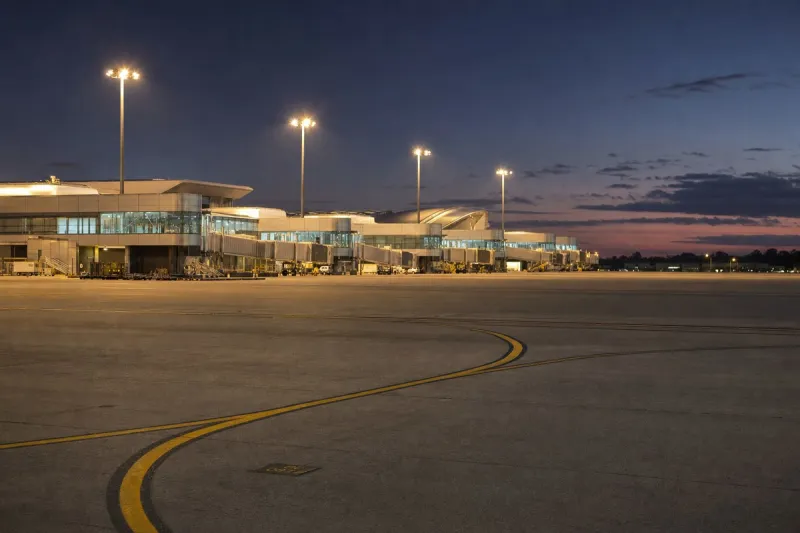
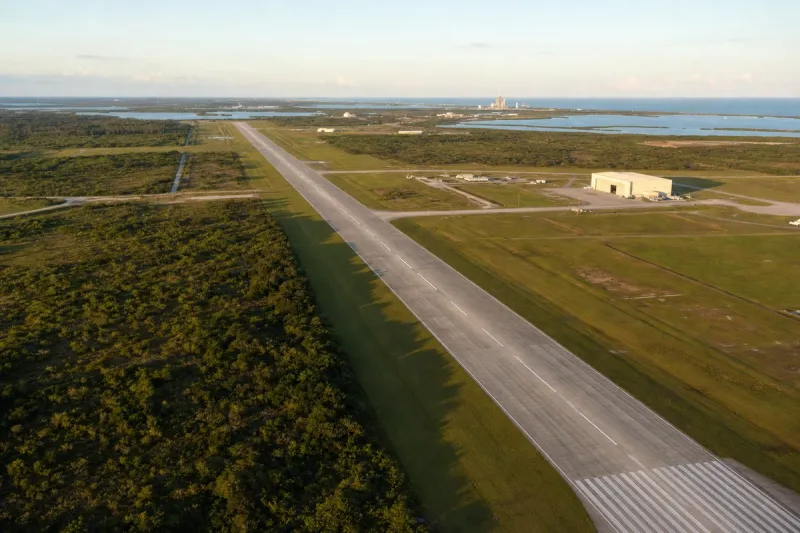
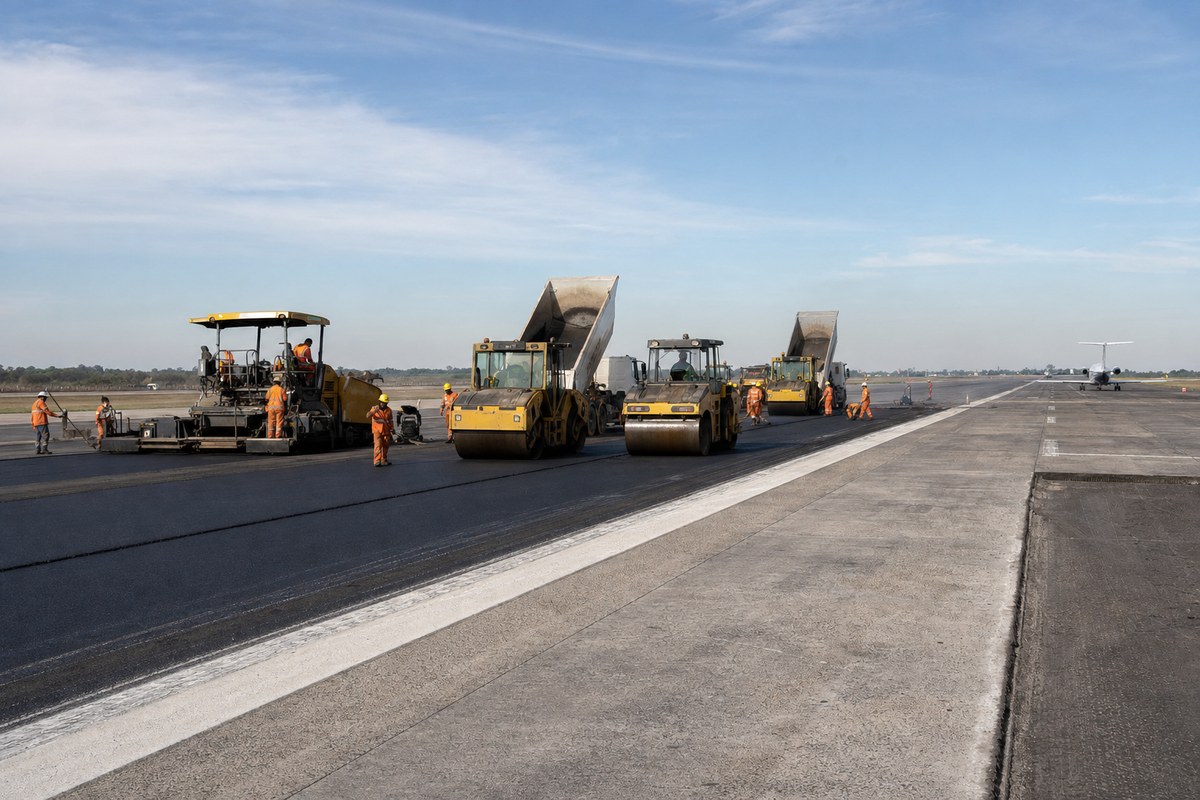
Ministro Pistarini International Airport (Ezeiza) in Buenos Aires is operating with its main runway shortened from 3,300 to 1,850 meters while scheduled rehabilitation work is carried out between Oct. 25 and Nov. 11, 2026. The source article describes an 18-day window, while Argentina's official tourism authority refers to 17 days of work. Aeropuertos Argentina, the Corporación América subsidiary that runs Ezeiza under its federal concession, ordered the closure of secondary runway 17-35 and its intersection with main runway 11-29.
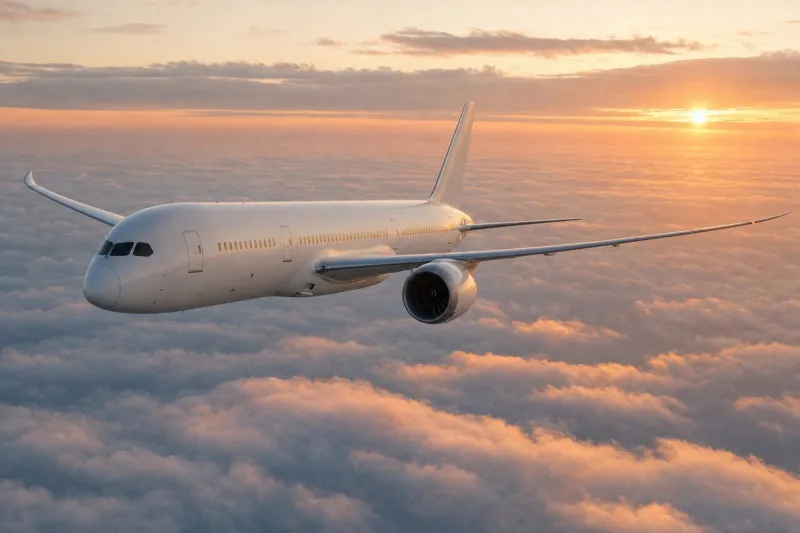
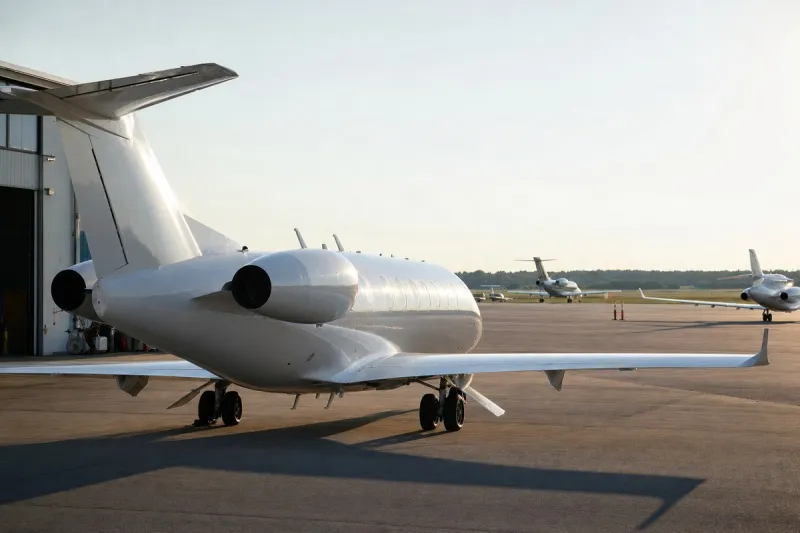
The article reports that the shortened runway makes departures by long-haul wide-body aircraft such as Boeing 777s and 787s at full operating weight technically impossible. It says 14 airlines suspended Ezeiza service for the period: American Airlines, United Airlines, Delta Air Lines, Air France, KLM, British Airways, Air Canada, Emirates, Aeromexico, Turkish Airlines, China Eastern, Ethiopian Airlines, Lufthansa and SWISS. Lufthansa cancelled Frankfurt–Buenos Aires, rebooking passengers mainly via Rome Fiumicino with ITA Airways connections and, on selected days, via Rio de Janeiro.
Aerolíneas Argentinas kept nearly its entire international schedule and added a technical fuel stop in Rio de Janeiro for Madrid and Rome services, while maintaining direct service to Miami, Cancún, Punta Cana and Aruba. Iberia scaled back to two daily Madrid flights with a Montevideo technical stop, adding about two hours. Air Europa routed Buenos Aires–Madrid Boeing 787-8 departures through Montevideo. Copa Airlines offered free rebooking and routed certain connections through Córdoba and Rosario before Panama City.
Argentina's official tourism authority frames the situation differently: it says most international flights bound for Argentina will continue to arrive at Ezeiza normally, with long-haul routes keeping their arrivals at Ezeiza and adapting only their departure legs through technical refueling stops or connections. It says the terminal keeps all services operating.
Scope and cost of the project
The work is described as part of a $110 million runway rehabilitation within a $1.5 billion commitment across 35 airports through 2031. The tourism authority says the secondary-runway renovation will extend its useful life by 20 to 25 years, increase safety against wear, widen the margin to receive larger aircraft and raise the airport's technological level.
Airlines were required to rebook affected passengers at no charge. Both runways are scheduled to be available again on Nov. 12, assuming the construction timeline holds. Nearly 46 million passengers traveled through Argentine airports in the year ending November 2025, up 12% from the same period in 2024.
Industry impact & what to watch
Departure performance, rather than arrival capability, is the binding constraint in this case. A 1,850-meter runway can take wide-bodies landing, but takeoff at full weight on ultra-long sectors needs far more pavement, so carriers faced a choice between suspending service and lightening the load by adding a stop. That split explains the two camps in the schedule: airlines that cancelled outright, and those that kept flying by inserting refueling points in Rio de Janeiro or Montevideo.
For the operators that stayed, the stop is a real cost. It adds roughly two hours on Iberia's Madrid service and changes crew, fuel and slot planning on every rotation. Carriers with a nearby regional alternative and a flexible network could absorb that; those without one found cancellation simpler. Passengers and corporate travel planners in the market have to treat the period as a different routing problem, not a normal schedule with delays.
The dated milestone that settles the question is Nov. 12, when both runways are scheduled to be available again. How quickly the 14 suspending airlines restore their Ezeiza schedules after that date is the clearest signal of how disruptive the closure actually was.