Samaritan Aviation's Cessna 206 Seaplanes Fly Free Medical Evacuations in Papua New Guinea as Fuel Costs Climb
Why It MattersFree-to-patient air medical service means fuel inflation lands on donors instead of customers, so remote humanitarian aviation depends on donation cycles and on reserve fuel stocks built far ahead of demand.
What happened
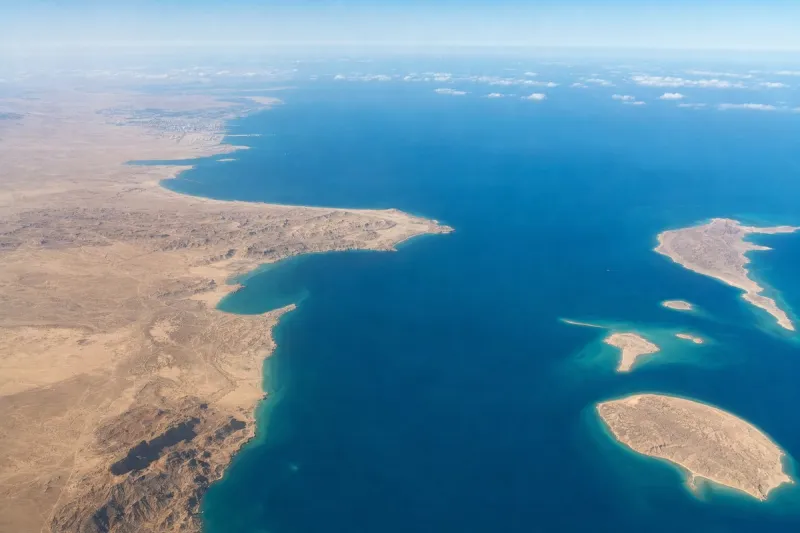
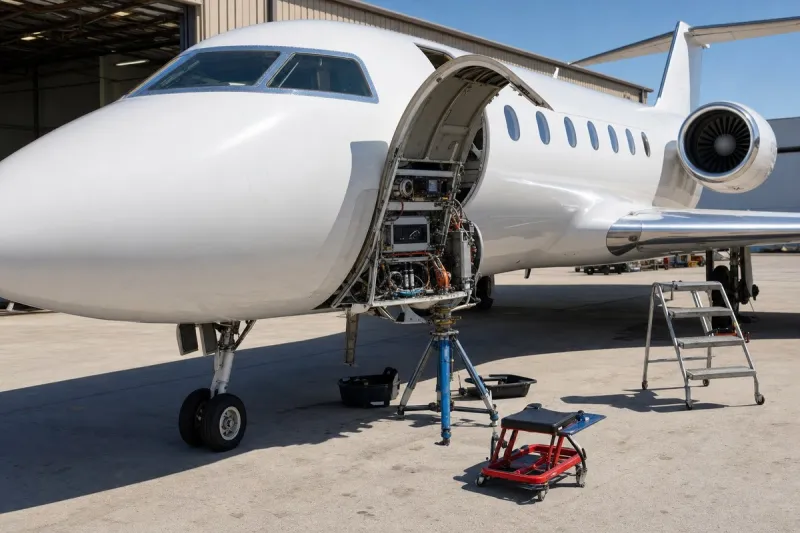
Samaritan Aviation, a Christian nonprofit founded by CEO Mark Palm, operates three amphibious Cessna 206 aircraft that provide free medical evacuation flights to isolated communities in Papua New Guinea. It serves an estimated 700,000 people across the East Sepik and Gulf provinces, where some communities are days away from medical care by canoe. The organization is based in Wewak in East Sepik Province and is expanding operations around Kapuna Hospital in Gulf Province, on the southern side of the island.
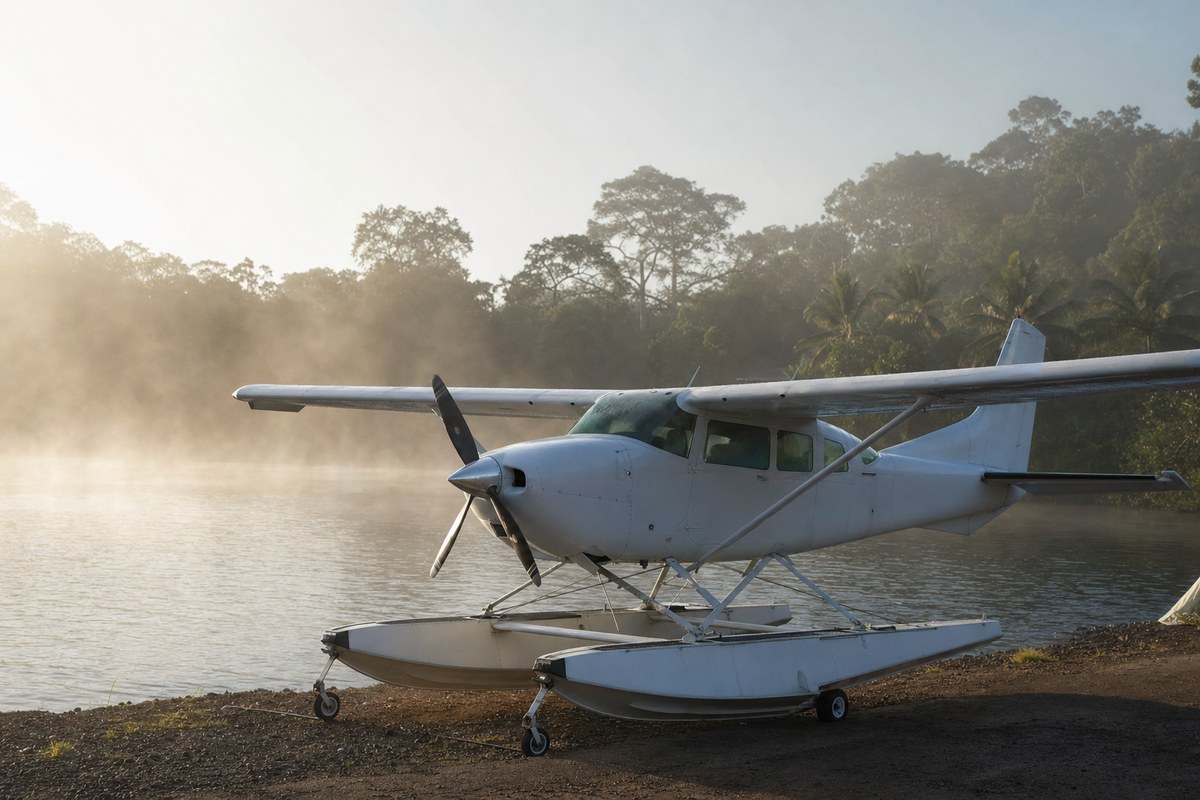
Palm first visited Papua New Guinea in 1994, at age 19. Samaritan Aviation began operations in 2010 and, according to Palm, has completed nearly 3,000 medical evacuations. It also supports about 40 remote medical aid posts with supplies such as antibiotics and antimalarial treatments, and delivers disaster-relief supplies, including food and water, when emergencies cut off communities. During Palm's recent six-week trip he transported an estimated 25 to 30 patients, and two babies were born aboard the aircraft.
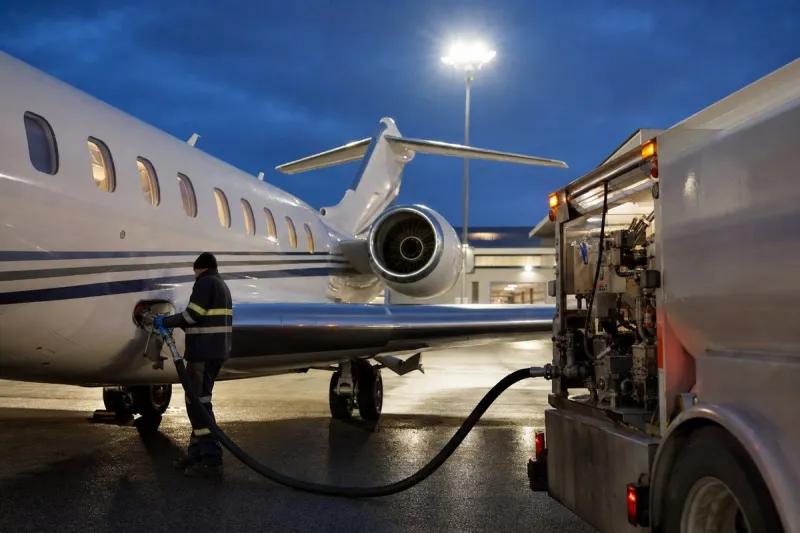
September was the organization's busiest flying month since operations began in 2010. Over the same period, aviation fuel costs have risen 38 percent and diesel costs 46 percent. Because every flight is free, the costs cannot be passed on to passengers; Palm said the organization is absorbing them and relying on donors. Aviation fuel arrives from Australia in drums, sometimes taking months to reach Wewak, so the organization must keep reserves. Through its Fuel for Life campaign, it raises money for aviation gasoline, maintenance and insurance.
Flying the Sepik
The flying is demanding. The Sepik River can rise or fall 20 feet within a week or two, constantly changing where aircraft can land on the water. Villages have no docks, and pilots contend with shifting sandbars, floating debris, fishing nets, crocodiles, strong currents and fast-developing tropical weather. Dozens, sometimes hundreds, of villagers may rush toward the aircraft on landing.
The organization seeks pilots with commercial and instrument ratings, a seaplane rating and around 500 hours of flight experience. New pilots spend their first several months learning local culture and Tok Pisin.
Industry impact & what to watch
Samaritan Aviation sits at the far end of the air medical spectrum: no payer, no fee schedule, and no way to pass a cost increase to the person on the stretcher. When fuel rises 38 percent, the adjustment happens in the donor base rather than in pricing, which makes the organization's flying capacity a function of fundraising performance as much as of aircraft and pilots.
The supply chain compounds the exposure. Fuel that travels from Australia in drums, sometimes taking months to reach Wewak, forces the operation to hold reserves, so price changes arrive with a lag and working capital is tied up in stock. Record demand in September, set against those costs, shows the pressure on this model building from both sides at once.
The next signal is how the Fuel for Life campaign performs against the higher fuel bill, and whether the expansion around Kapuna Hospital proceeds at the current cost level.