East of England Air Ambulance Charities Hit by Rising Fuel Costs; Magpas Reports £50,000 Budget Gap
Why It MattersCharity air ambulances carry fuel price risk on fixed donation budgets, so a prolonged price spike turns directly into fewer missions or a heavier fundraising burden across the sector.
What happened
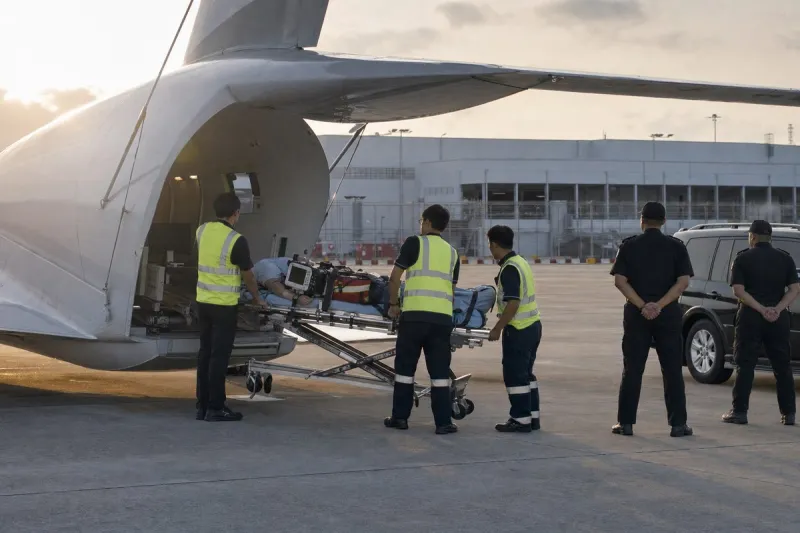
Air ambulance charities in the East of England say rising fuel costs are putting pressure on their life-saving services. Cambridgeshire-based Magpas said soaring costs have opened an unexpected £50,000 gap in its budget. Executive medical director Simon Lewis said the charity, which also serves counties such as Bedfordshire and Northamptonshire, is paying about twice what it had budgeted for fuel.
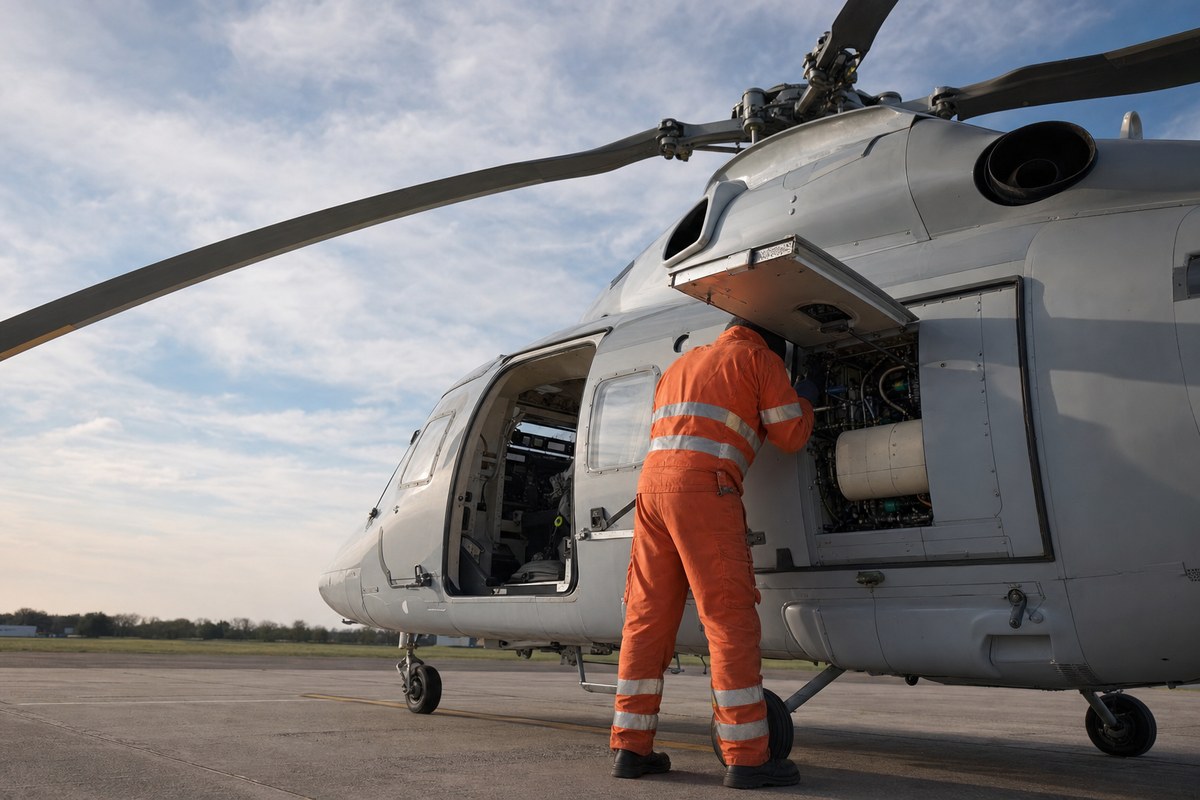
Magpas put each deployment at about £3,000, so the shortfall equates to roughly 17 missions. Lewis said demand for its services has reached record levels, but more missions mean more flying hours.
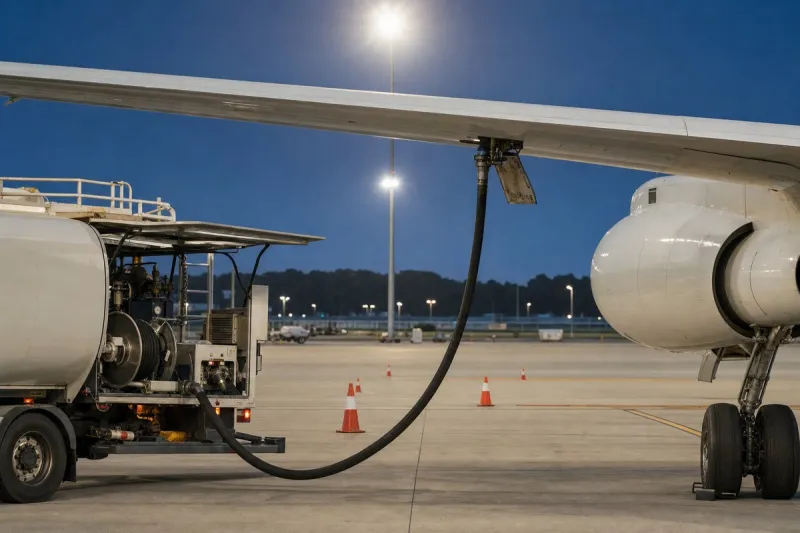
Matthew Jones, chief executive of East Anglian Air Ambulance, which has bases in Norwich and Cambridge, said the charity had forecast further fuel cost rises. He said that if the current price per litre persists for the next 12 months, annual fuel costs would rise by approximately £200,000, based on the price before the Iran war and on current activity and flying hours.
Mark Jarman-Howe, chief executive of Essex and Herts Air Ambulance, said the charity is absorbing considerably higher fuel costs, with the cost of keeping the service running already at £1m a month, and he asked the public to consider supporting the charity.
Fuel prices surged when the US-Israel war with Iran began in February, as production and transportation of fuel across the Middle East slowed or stopped entirely. A government spokesperson said the UK remains well stocked for all fuel types and that the government continues to work with suppliers while the conflict is ongoing.
Industry impact & what to watch
Charity-run air ambulances sit in an awkward position on fuel. Their income comes from donations and is set well ahead of the flying year, while fuel is bought at whatever the market charges on the day. When the price per litre doubles against budget, as Magpas describes, there is no mechanism to pass the increase on to a customer, so the cost lands either on reserves or on the next fundraising appeal.
The figures quoted also show how fuel and demand compound each other. Magpas reports record demand alongside the price rise, which means more flying hours at a higher cost per hour. East Anglian Air Ambulance's £200,000 annual estimate is explicitly built on current activity and flying hours, so any change in tasking would move it as well. The wider pattern is that fuel exposure scales with mission volume, not with the size of the charity's fundraising base.
The point that will settle how serious this becomes is the price per litre itself. East Anglian Air Ambulance tied its £200,000 figure to the price holding for 12 months, and the government's statement that the UK is well stocked addresses supply, not price. Whether other regional air ambulance charities report comparable gaps would show whether this is a regional story or a sector-wide one.