Smyrna Airport's Annual Economic Impact Tops $1 Billion as Plan Advances to Move Tennessee National Guard Operations From Nashville
Why It MattersPairing a long-runway, corporate-friendly field with a military relocation shows how secondary airports can anchor aerospace growth while absorbing capacity pressure that a congested primary airport cannot.
What happened
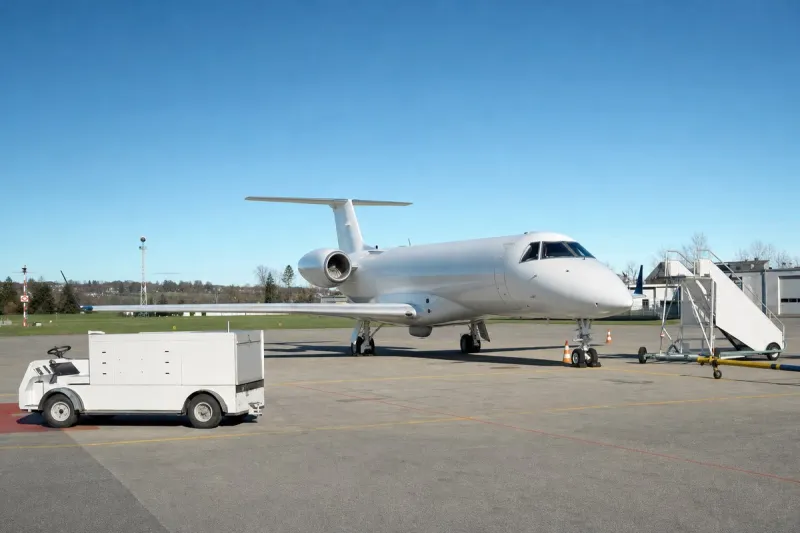
Smyrna Airport's operations have passed $1 billion in annual economic impact for Middle Tennessee, according to an Oct. 29, 2026 discussion of the airport's growth. It is the fourth-busiest airport in Tennessee, handling more than 120,000 aircraft operations a year across 1,700 acres.
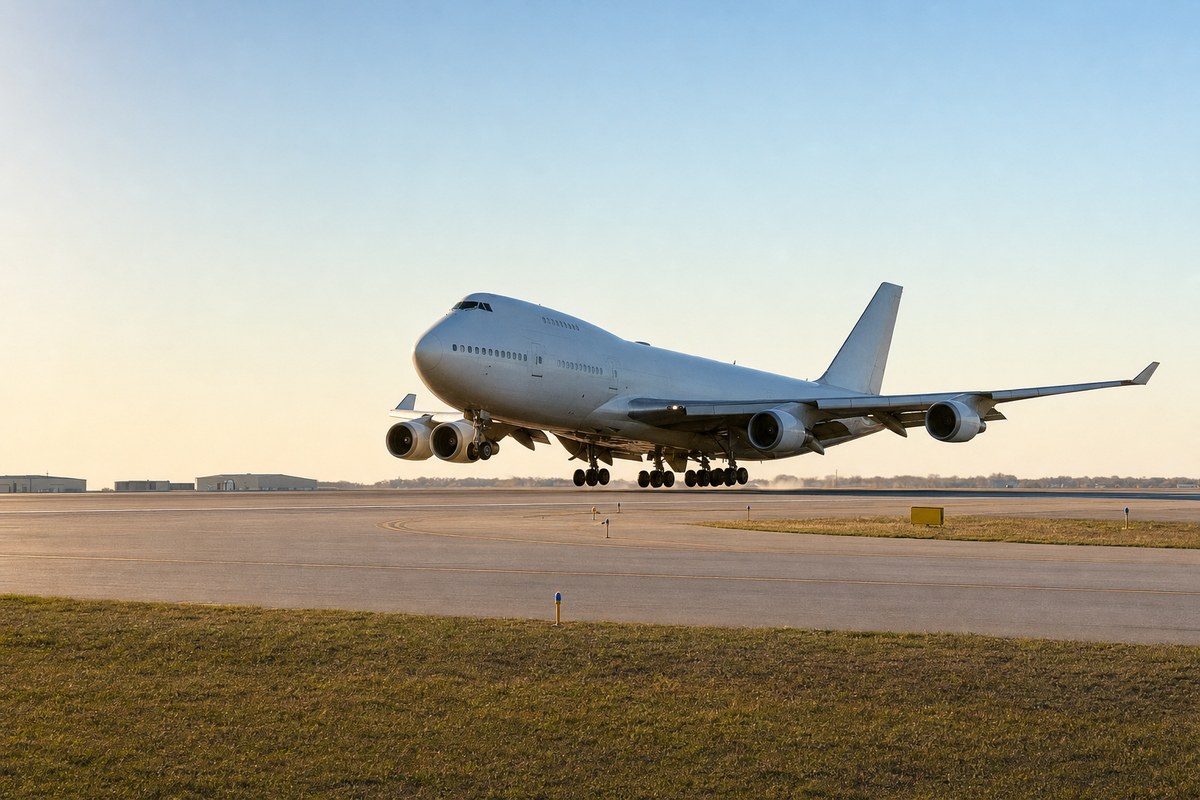
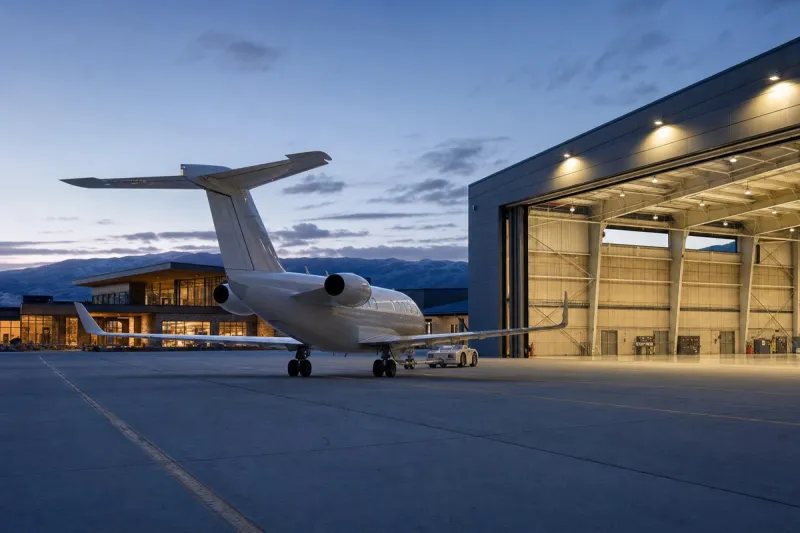
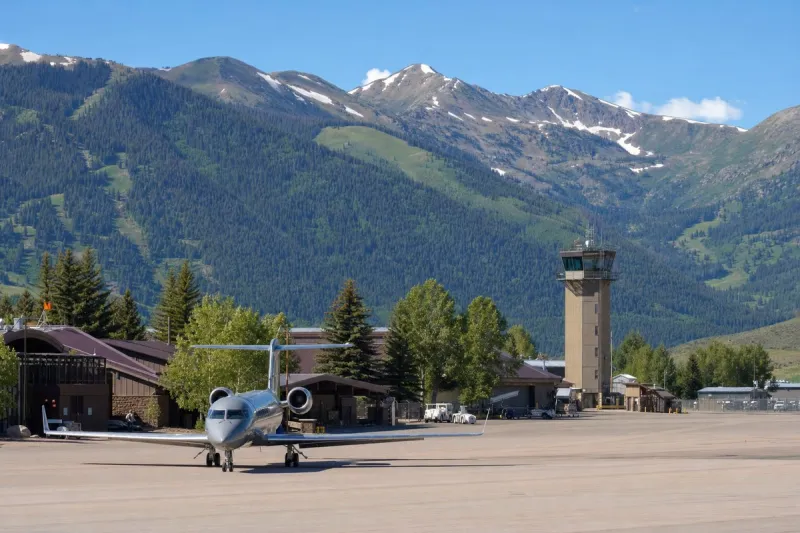
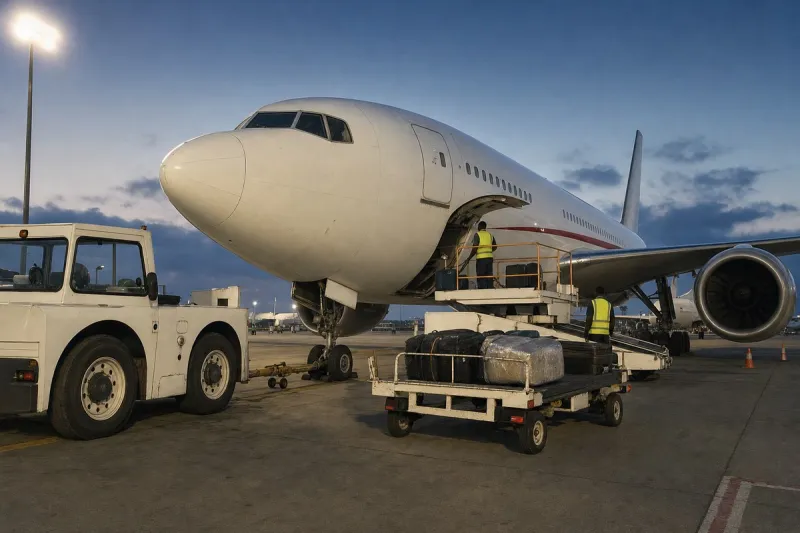
Evan Lester described the airport's capabilities, including an 8,038-foot runway able to accommodate Boeing 747 landings. That runway makes the airport a hub for corporate aviation, VIP transit and aerospace expansion, and allows commercial-scale cargo and private traffic to bypass Nashville congestion.
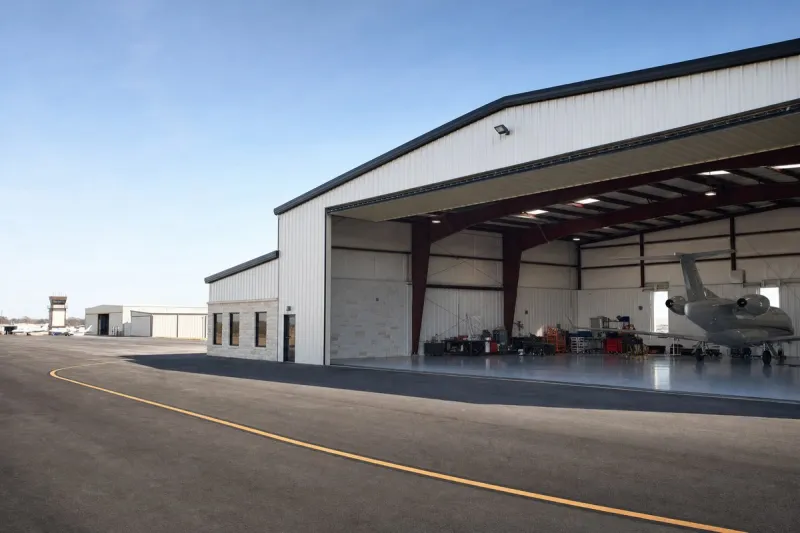
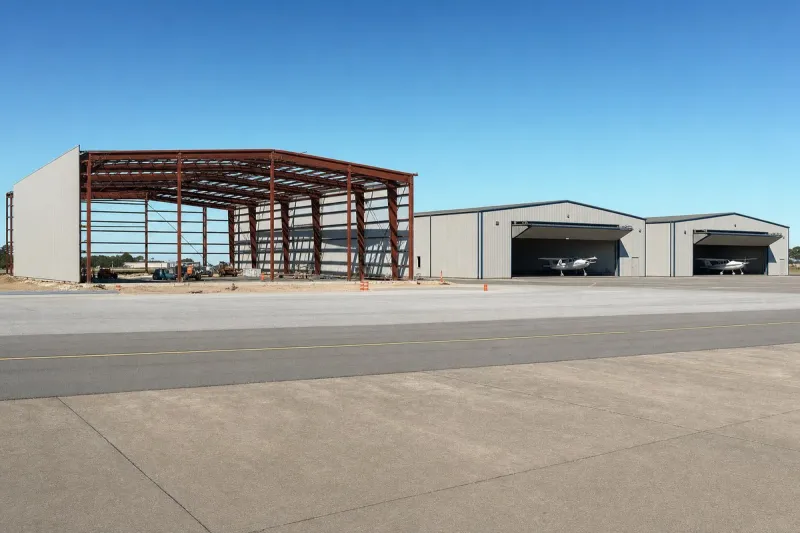
The discussion also covered a multi-year plan to relocate Tennessee National Guard operations, including Army and Air National Guard headquarters, from Berry Field in Nashville to Smyrna. Elements of the plan include phased capital funding, 15-acre land agreements, facility planning, a timeline for the move and local workforce development.
Rep. Mike Sparks addressed local traffic initiatives along I-24, commuter congestion, WeGo public transit and bipartisan infrastructure priorities across state and federal levels. He also discussed the history of the former Sewart Air Force Base, the site of the present airport.
Industry impact & what to watch
Reliever-style airports with long runways tend to capture growth when a primary airport in the same metro area becomes crowded. Smyrna's pitch combines runway length, corporate and VIP traffic, and room to expand, which is the profile that draws business aviation and aerospace tenants looking for alternatives to a busier field.
A military relocation adds a different kind of anchor tenant. Army and Air National Guard headquarters bring facilities, personnel and workforce demand that stay in place for decades, and phased capital funding and land agreements of this kind usually set the pace for how quickly neighbouring commercial development can follow.
The next milestones are the ones the plan itself names: the capital funding phases, the 15-acre land agreements and the timeline for the move from Berry Field. Those steps will show how fast the relocation moves from discussion to construction.