Rising Travel Costs Push Corporate Event Planners Toward Air Charter, Chapman Freeborn Says
Why It MattersGroup-event charter is sold on schedule control and consolidated logistics rather than headline price, so demand depends on organisers pricing the whole journey and booking aircraft and slots early.
What happened
Rising airfares and growing travel costs are prompting corporate event planners to reconsider how they move large groups. Private aircraft charter is emerging as an option for events that need coordinated arrivals and tight schedules. One cited projection puts the average daily cost per meeting attendee at USD 263 in 2026.

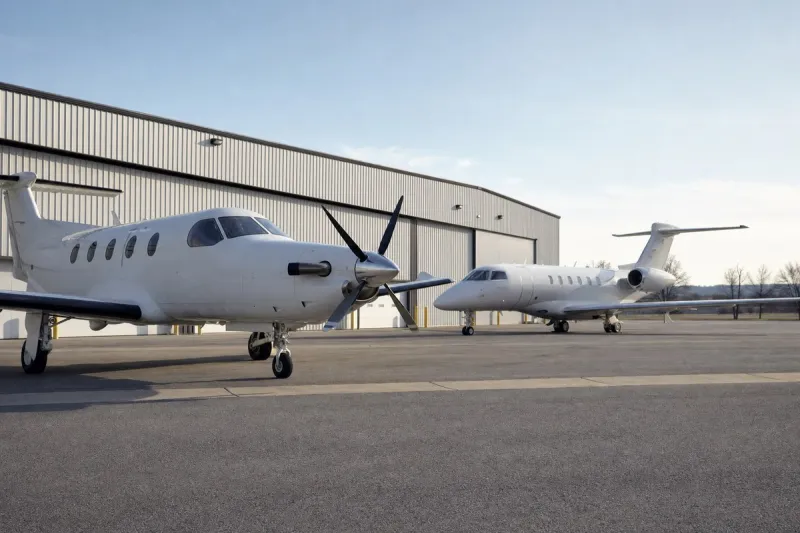
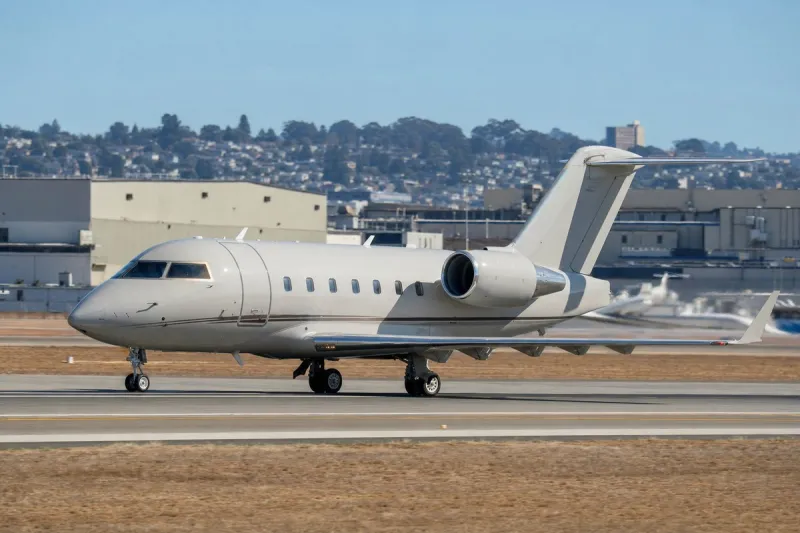
Chapman Freeborn, a global air charter services provider, says charter flights can help organisers manage arrival schedules, reduce logistical complexity and keep attendees together. The company recently arranged two aircraft for 130 passengers travelling from London to Dubrovnik after scheduled flights failed to match the event programme.
The company also stresses that charter is not always the cheapest option. Organisers should compare total journey costs, including transfers, baggage, accommodation and coordination, against the benefits of controlling departure times and arrival arrangements. It advises event planners to assess aviation requirements early, allowing enough time to secure aircraft, airport slots and contingency arrangements for conferences, incentive trips and other major corporate events.
Industry impact & what to watch
The London-Dubrovnik movement shows where group charter finds its footing: events whose programme is fixed and whose scheduled-service options do not line up with it. In that setting the product being sold is control over departure and arrival times and the removal of per-passenger coordination, with fare level a secondary argument. That is why Chapman Freeborn itself concedes charter is not always the cheapest route.
For the segment, this keeps demand tied to how organisers account for cost. A comparison built only on the scheduled fare tends to favour airlines, while one that adds transfers, baggage, accommodation and coordination can narrow the gap. Rising fares and the per-attendee daily cost projection push more planners into the second kind of comparison, which is the one charter brokers want them to run.
The constraint sits on the supply side of the booking window. Aircraft availability, airport slots and contingency arrangements all have to be secured, which is why the advice centres on assessing aviation needs early. For conferences and incentive trips, the lead time between choosing a destination and locking in aircraft is likely to separate events that can use charter from those that cannot.