Air India Breaks Ground on Nine-Acre MRO Hangar at Delhi Airport to Cut Aircraft Ground Time
Why It MattersIn-house hangar capacity at a home hub shows airlines trading third-party maintenance dependence for control over turnaround, parts logistics and fleet availability, a bet that rests on utilisation staying high.
What happened
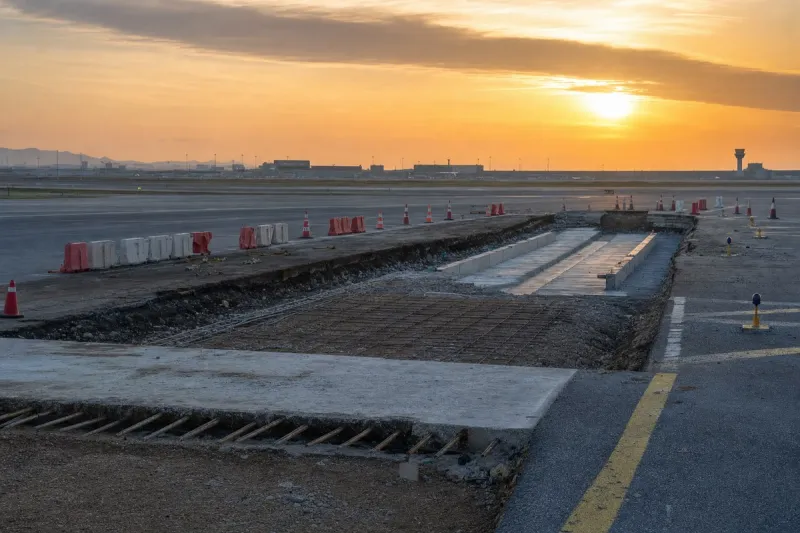
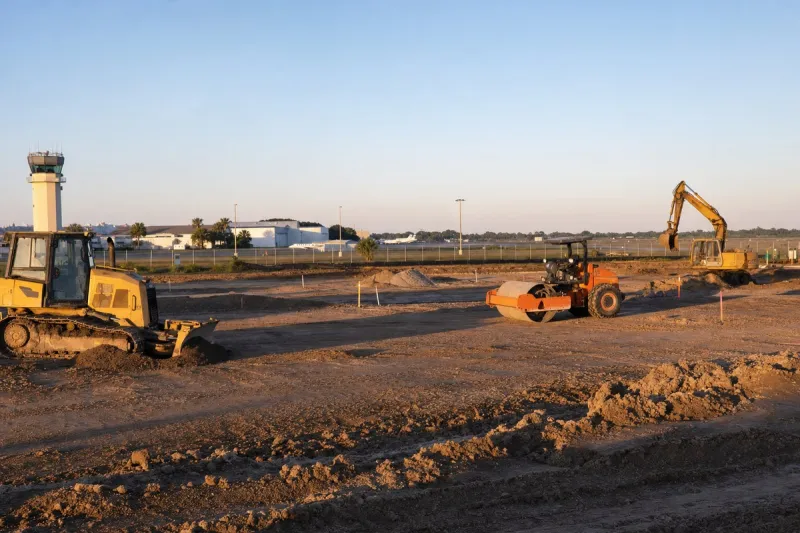
Air India has broken ground on a new Maintenance, Repair and Overhaul (MRO) hangar at Delhi's Indira Gandhi International Airport (IGIA), its largest hub. The airline framed the project as part of an effort to strengthen in-house aircraft maintenance and improve operational efficiency.

The facility will span nine acres and is designed to hold one widebody and one narrowbody aircraft at the same time. It will centralise key engineering and maintenance activities under the airline's direct operational oversight, covering inspections, cabin maintenance and defect rectification. Air India said the hangar would reduce aircraft ground time and improve maintenance efficiency.
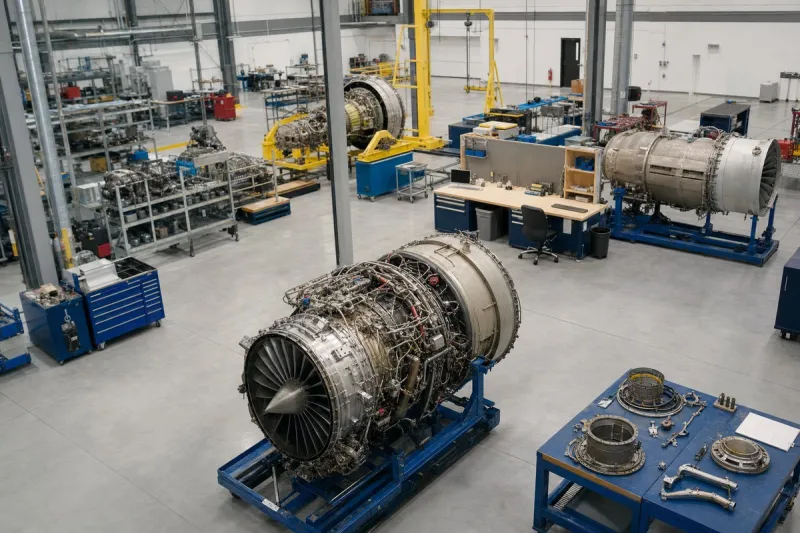
The hangar will integrate engineering offices and an on-site spare parts warehouse to streamline maintenance workflows and reduce logistics costs. A dedicated Cabin Shop will support repairs to aircraft interiors, potentially reducing reliance on third-party vendors. Direct access to engineering teams and spare parts is also meant to speed the recovery of aircraft grounded by technical issues.
The building will have a clear height of 25 metres and large column-free spans to accommodate next-generation aircraft. The project will include advanced fire protection systems and will follow Indian Green Building Council (IGBC) Green Building norms, including provisions for energy and water conservation.
Tewolde Gebremariam, Chief Executive Officer and Managing Director of Air India, attended the ground-breaking ceremony together with senior executives from the airline and Delhi International Airport Limited (DIAL). By bringing multiple maintenance functions together at Delhi airport, the airline aims to improve fleet availability and contribute to the development of India's aviation maintenance ecosystem.
Industry impact & what to watch
Placing heavy maintenance capacity at the home hub follows from how airline MRO economics work: every day an aircraft spends waiting for a hangar slot, a vendor's queue or a delivery of parts is a day it does not fly. Co-locating engineering offices, a spares warehouse and a cabin shop under one roof attacks three of those delays at once, and it is the integration, more than the floor area, that carries the efficiency argument.
The trade-off is that in-house capacity shifts fixed cost onto the airline. A hangar sized for one widebody and one narrowbody at a time pays off only if it is kept busy, so the outcome depends on how much of the fleet's workload Air India routes through it versus what stays with third-party providers. The stated aim of reducing reliance on outside vendors for cabin repairs is the clearest test of that shift.
The design choices point to a long planning horizon: the 25-metre clear height and column-free spans are specified for next-generation aircraft, not only for today's types. Delhi airport operator DIAL's presence at the ceremony ties the project to the airport's own development, and the milestones to track are construction progress and the point at which the hangar takes its first aircraft.