Holmes County Airport Apron Regrading Could Delay New Hangar and Terminal; Officials Weigh Local Excavation
Why It MattersAirfield grading and drainage defects can hold up landside building projects, and the choice between waiting on FAA grant funding and paying locally shows how federal timelines govern small-airport development.
What happened
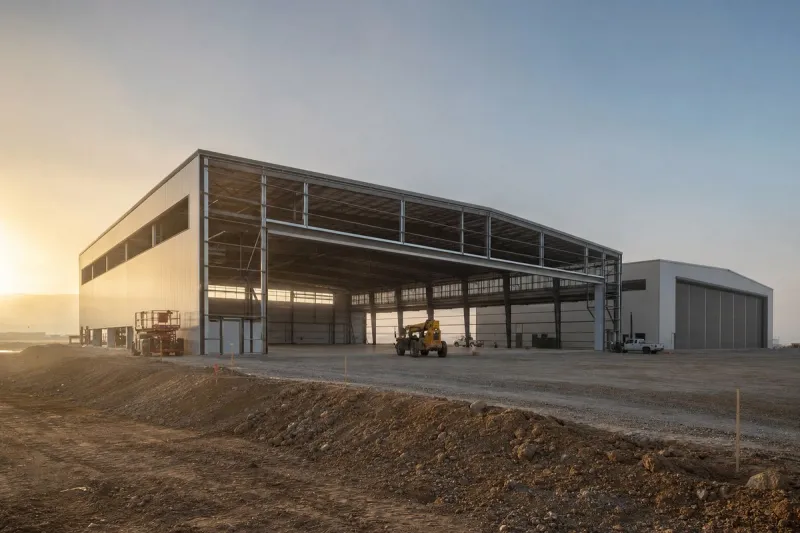
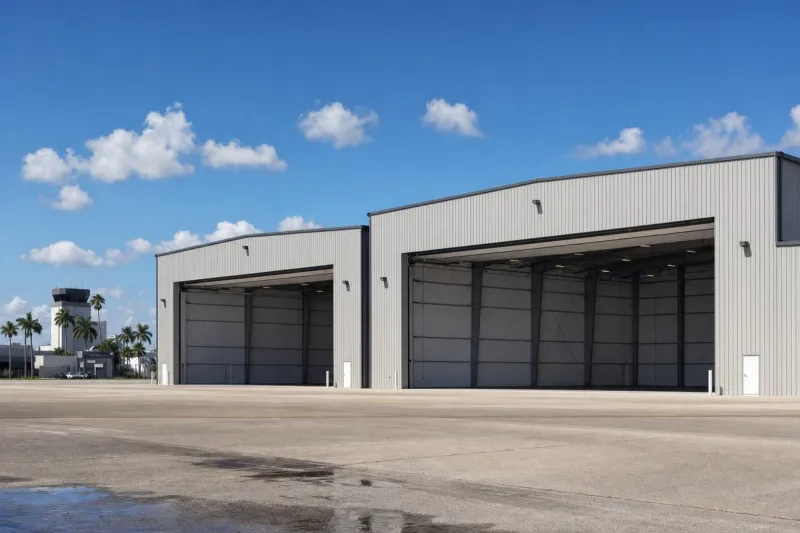
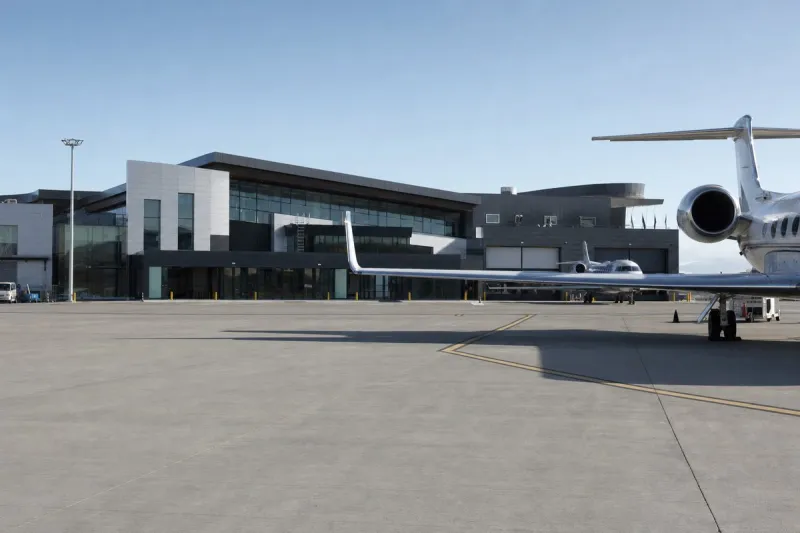
The Holmes County Airport Authority and the Holmes County commissioners met on Oct. 19 at the Old Jail meeting room in Millersburg to discuss a new obstacle to building a planned hangar and terminal at Holmes County Airport. In 2025 the commissioners committed $3 million in sales tax revenue toward airport improvements for the project.
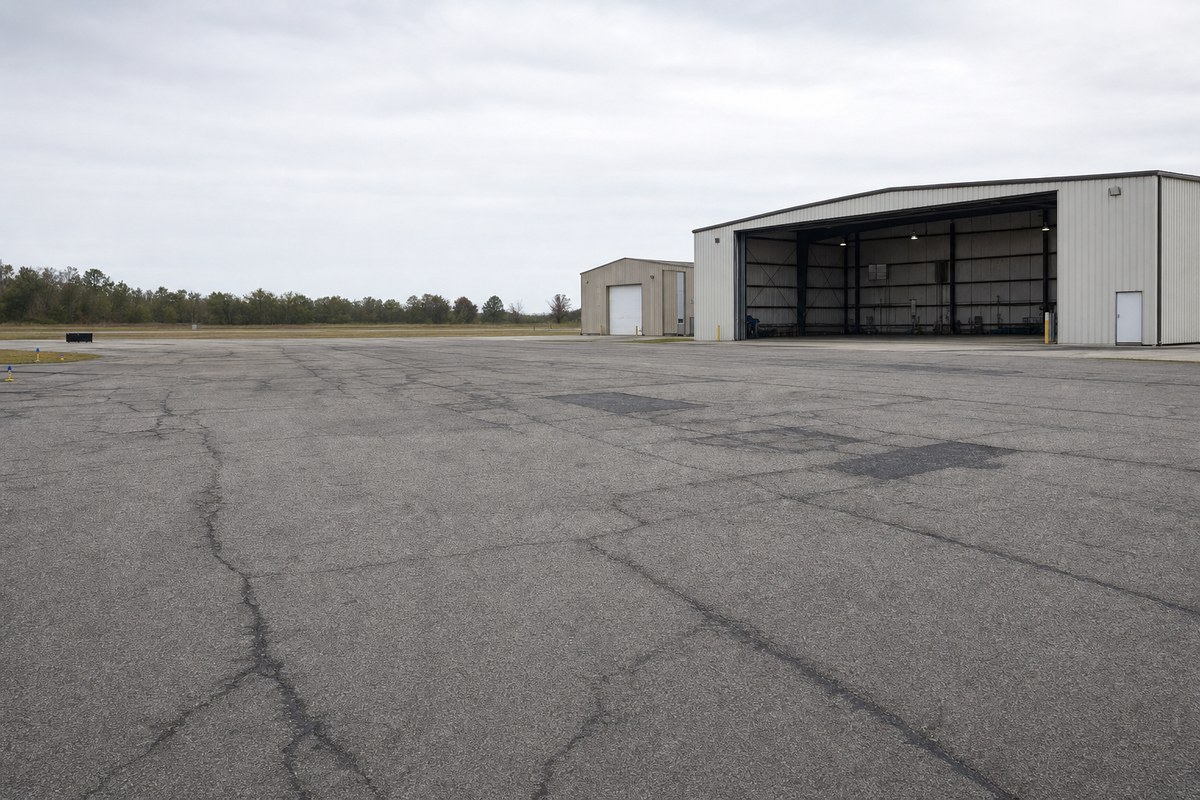
Airport Authority board member Josh Yoder said the apron has never been right and exceeds the 2% grade required by FAA guidance, so it must be corrected before a terminal and hangar can be built. Portions of the apron will need to be lowered by as much as 4 feet to provide adequate access, drainage and grading. Yoder said that if the hangar and terminal were built now, they could not be used because they would sit lower than the existing apron.
According to Yoder, an FAA consultant estimated that excavating at the existing hangar and apron area would cost $2.85 million to $3 million, and the plan had been to seek grant funding to cover it. Larry Clark said the FAA would delay the project, which might not begin in the coming year and could be pushed back further. Commissioner Dave Hall said his contacts indicated the delay could push development back as far as 2030.
Yoder presented two options: postpone the project until FAA funding is available, or fund the taxiway project with local money. The commissioners and the airport authority agreed to investigate using a local excavating company, which they believe could do the work for less money and in less time. Hall said the commissioners would contact Holmes County engineer Chris Young as soon as possible to explore options.
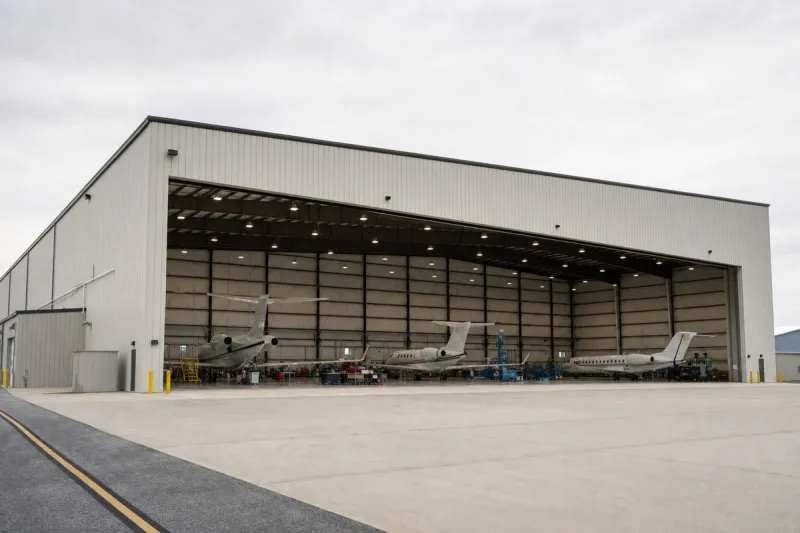
Chad Clark said the FAA wants to include islands in the scope of work, but that is not necessary, and omitting them with a local contractor would leave additional usable space. Once construction begins, the authority plans to build a 120-foot hangar and the terminal with Weaver Commercial Contractors. Yoder said timely action is needed because six jets are currently waiting for space in the new hangar, representing income the airport is not receiving without it. The authority's goal is to complete the hangar, terminal and necessary apron improvements as one coordinated project.
Industry impact & what to watch
Small general aviation airports often discover that landside projects depend on airside conditions. A hangar floor or terminal slab has to relate to the apron it serves, so a grading problem on the pavement can stall buildings that are otherwise funded and designed. Here the $3 million local commitment covers the buildings' side of the plan, while the apron correction is a separate cost of nearly the same size.
The choice Yoder laid out is a familiar one for airports that lean on federal grants: wait for FAA funding and accept a schedule set by the grant cycle, or pay locally and move at the airport's own pace. Waiting carries a cost that is visible in this case, since six jets are queued for hangar space and the airport earns nothing from them in the meantime. Paying locally shifts risk onto the county, which is why the commissioners want the engineer's view before committing.
The next step the officials named is contact with county engineer Chris Young on the local excavation route. The figure to compare against is the consultant's $2.85 million to $3 million estimate, along with whether dropping the FAA's islands from the scope of work changes the price and usable apron space.