Assiniboia Municipal Airport Nears Completion of Runway Extension From 3,000 to 4,000 Feet
Why It MattersAir ambulance operators' condition findings can decide whether a small regional airport keeps medical flights, pushing local authorities and municipalities to co-fund runway standards as healthcare services centralize.
What happened
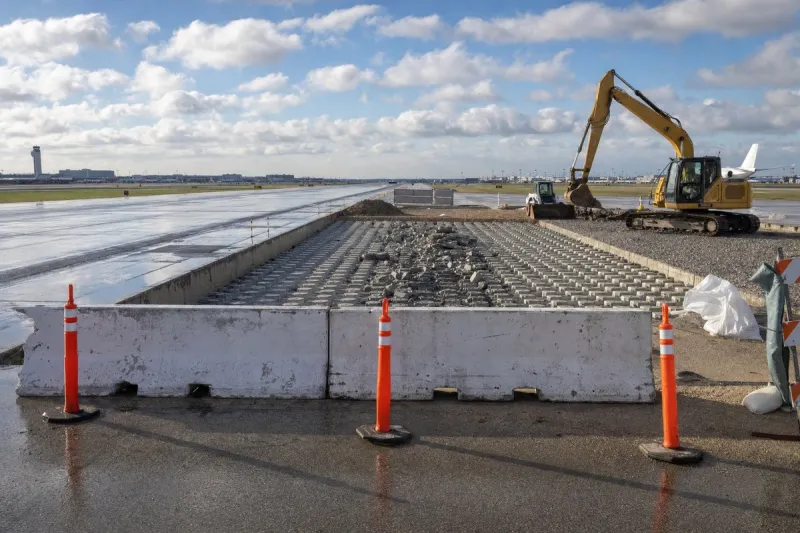
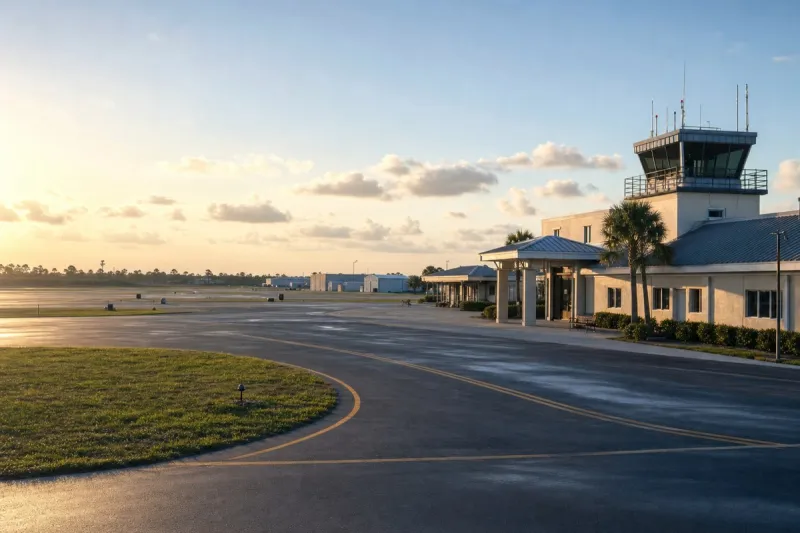
Assiniboia Municipal Airport in Saskatchewan has nearly completed a runway upgrade that extends the runway by 1,000 feet, from 3,000 to 4,000 feet, to accommodate larger aircraft used for medical evacuations. Grant Payant, chairman of the Assiniboia Municipal Airport Authority, said the extended runway has been paved and painted with new markings, while upgrades to the runway lighting system remain outstanding.

Payant said the project was prompted in part by concerns raised by Saskatchewan Air Ambulance about the runway's condition and the need to handle larger aircraft in the future. "Two years ago they notified us that the runway was in disrepair and they weren't going to be able to land anymore," he said. The airport authority worked with the Town of Assiniboia and two neighbouring rural municipalities to fund repairs and bring the runway up to the required standard. After the repairs, Saskatchewan Air Ambulance representatives visited the airport for an open house.
Payant said adequate airport infrastructure is increasingly important as medical services become more centralized and patients may need to be transported to larger centres. He noted that STARS air ambulance services are using the area more frequently, alongside Saskatchewan Air Ambulance.
Payant put the total cost of the runway project at approximately $1.7 billion. The airport authority has raised about $160,000 through fundraising, with additional capital funding provided through the Community Airport Partnership program. The Kinsmen Club of Assiniboia donated $10,000 toward the project. Payant said fundraising began with the expectation that the work would take place later, but the expansion of Highway 2 allowed the runway work to be completed a year or two sooner and saved money because the paving contractor was already working in the area.
Industry impact & what to watch
Small regional airports that serve medical flights depend on the operators who use them. When an air ambulance provider flags a runway as unfit for landing, the airport's role in the local health system is immediately at stake, and the fix usually has to come from a patchwork of local funders rather than a single owner. Assiniboia's mix of a municipal authority, a town, two rural municipalities, community fundraising and a provincial-level capital program is a typical shape for that kind of project.
The case also shows how timing and adjacent public works shape airport economics. Because the paving contractor was already in the area for the Highway 2 expansion, the runway work moved forward and cost less, a dependency that small airports rarely control but can use when it lines up. Longer runways matter here because the aircraft used for medical evacuations, and the centralization of care that drives demand for them, are pushing requirements upward.
The outstanding item is the runway lighting system, which Payant said still needs upgrading; completing it is the milestone that would close out the extension.