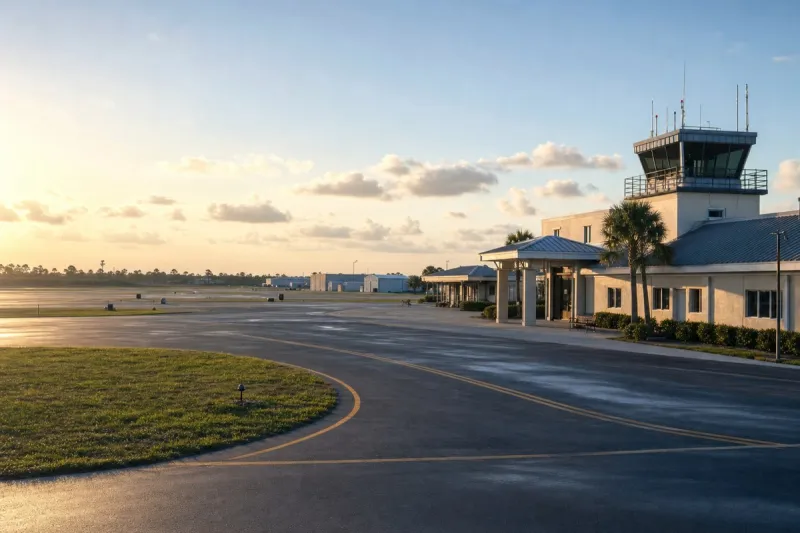
Washington Manassas Airport Breaks Ground on $41 Million Air Traffic Control Tower, Due by 2029
Why It MattersReplacing a relocated, decades-old tower after a 26-year effort shows how slowly general aviation airport control infrastructure moves from need to construction, with taller sightlines and simulation space as the payoff.
What happened
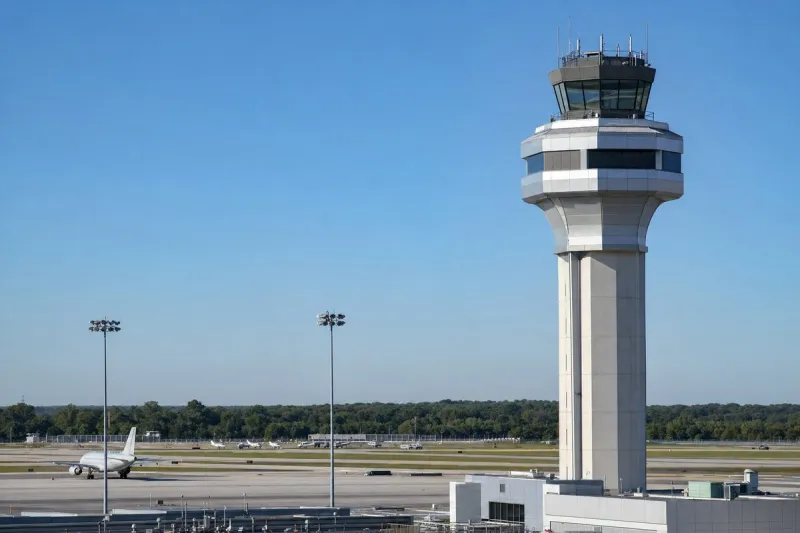
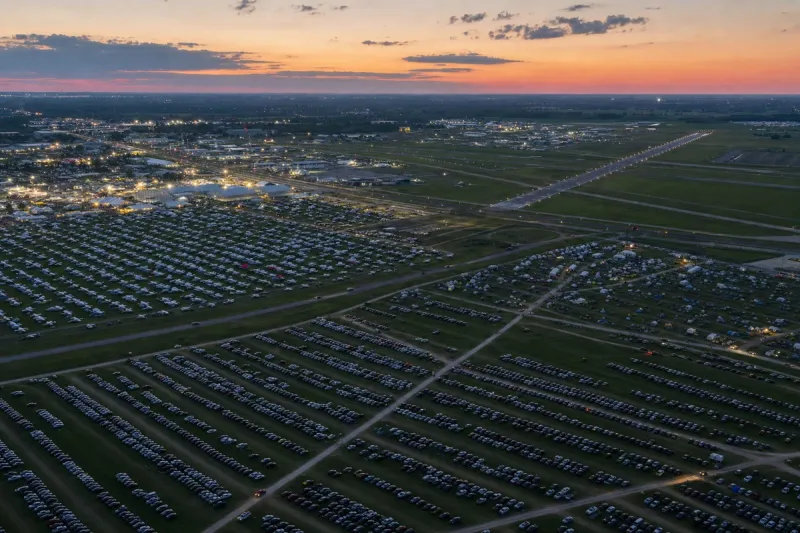
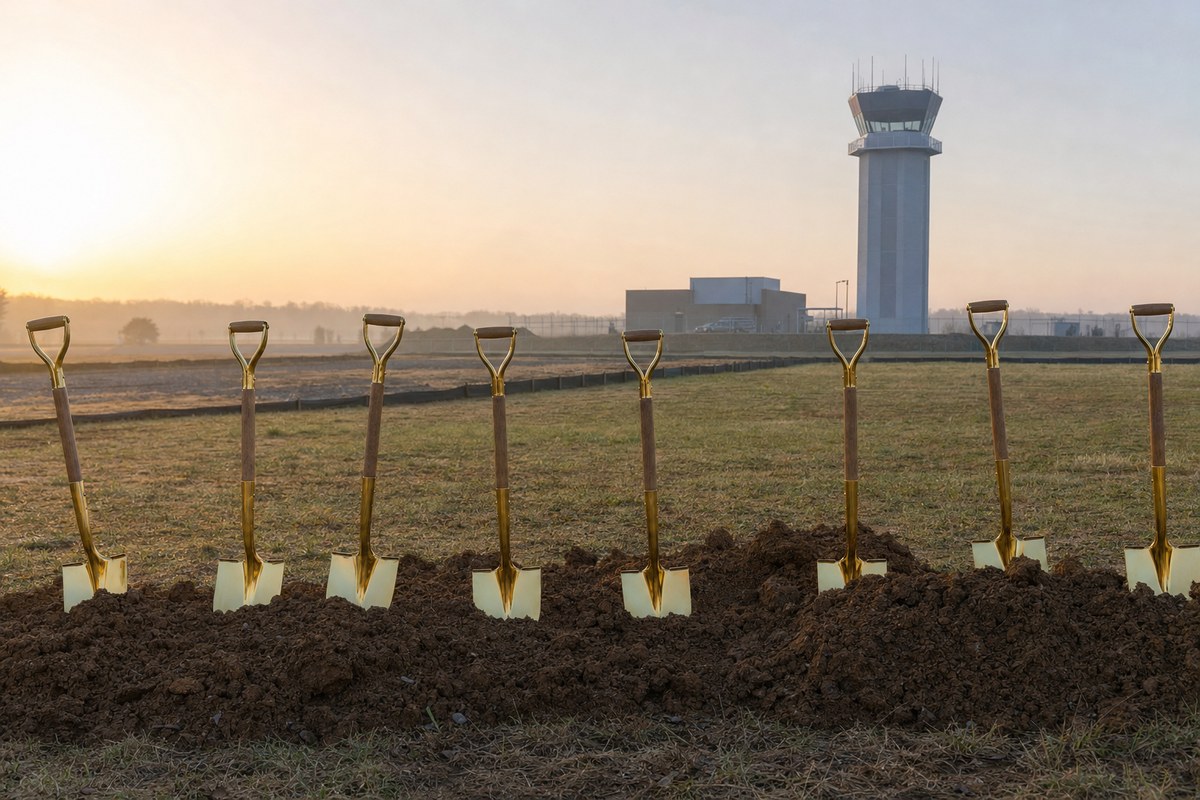
Washington Manassas Airport (HEF), a department of the City of Manassas, held a groundbreaking ceremony on Tuesday for its new Air Traffic Control Tower. Airport Director Juan E. Rivera said the project has been more than 26 years in the making and thanked federal, state, county and city partners for their collaboration.
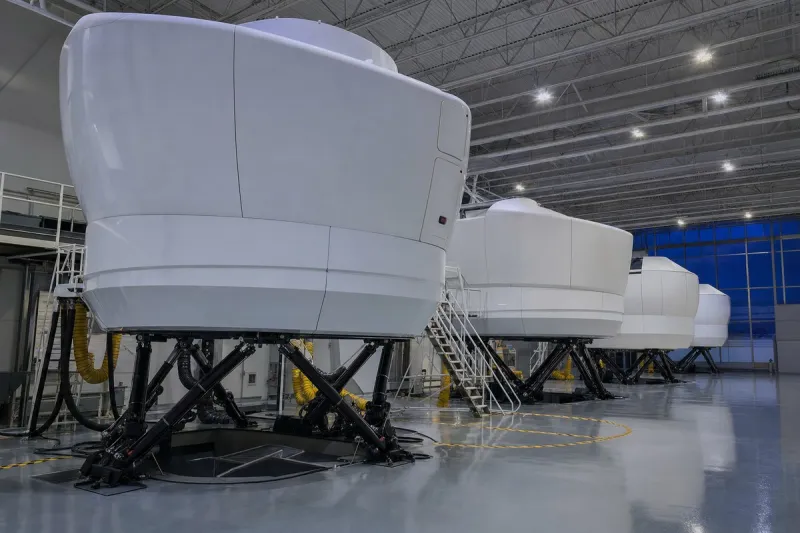
The replacement tower will give controllers an eye height of 125 feet, 58 feet higher than the 67 feet of the existing tower. The new control cab will be about 550 square feet, nearly three times the size of the existing 189-square-foot cab. The building will total roughly 18,300 square feet across eight stories, including a 9,180-square-foot base building, and will contain training rooms, offices, a playback room and a simulator.
Construction is expected to be completed by 2029, with an estimated project cost of $41 million. Costello Construction of Columbia, Maryland, is the general contractor, and RS&H designed the project and will provide engineering services.
The existing tower was commissioned in 1992 and was the FAA's first recycled air traffic control tower. The City of Manassas bought it from Centennial Airport in Colorado for $65,000 and relocated it to Manassas, where it has served for more than 34 years. Washington Manassas Airport is Virginia's 10th commercial service airport, serves the greater Washington, D.C., region and contributes $517 million to the local economy.
Industry impact & what to watch
A tower that began life at another airport, was bought for $65,000 and then ran for over three decades illustrates how general aviation airports often stretch control infrastructure well past its design life. A replacement effort that has taken more than 26 years to reach groundbreaking shows how long the path from identified need to shovel can be when federal, state, county and city partners all have to line up.
The physical specifications point to what the investment is meant to buy. A cab nearly three times larger and an eye height 58 feet greater improve controller sightlines across the field, and the planned training rooms, playback room and simulator suggest the facility is meant to support controller training on site as well as day-to-day operations. For a field serving the greater Washington, D.C., region, that matters to every operator whose traffic depends on tower coverage.
The next fixed point is the 2029 completion target, against an estimated cost of $41 million. Whether the schedule and budget hold through construction is the measure that will settle how this project is remembered.