Flexjet Expands Luxury Strategy Beyond Cabin Design to Terminals, Training and In-House Maintenance
Why It MattersFractional operators are competing on controlled ownership of the whole trip, where in-house maintenance, component production and branded ground facilities shape both service quality and how reliably aircraft are available.
What happened
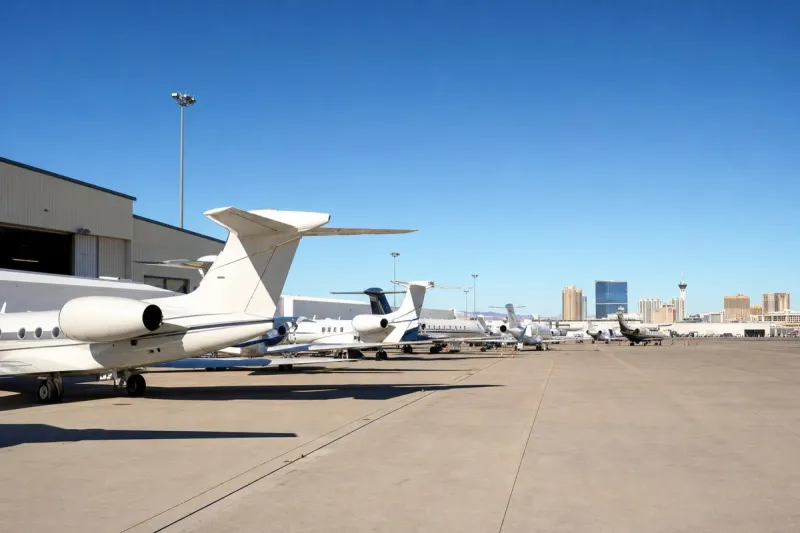
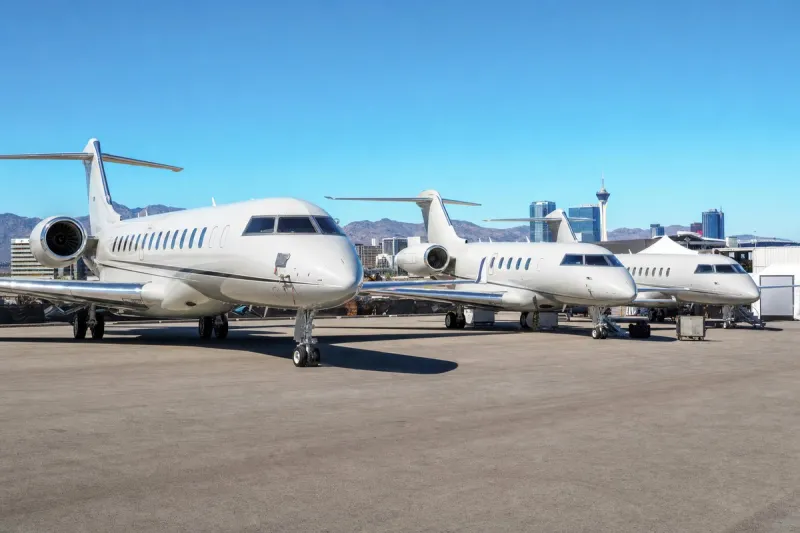
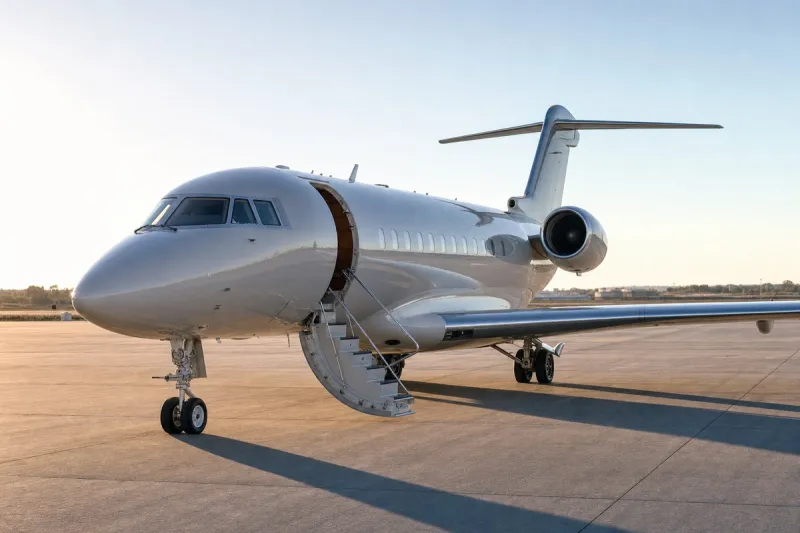
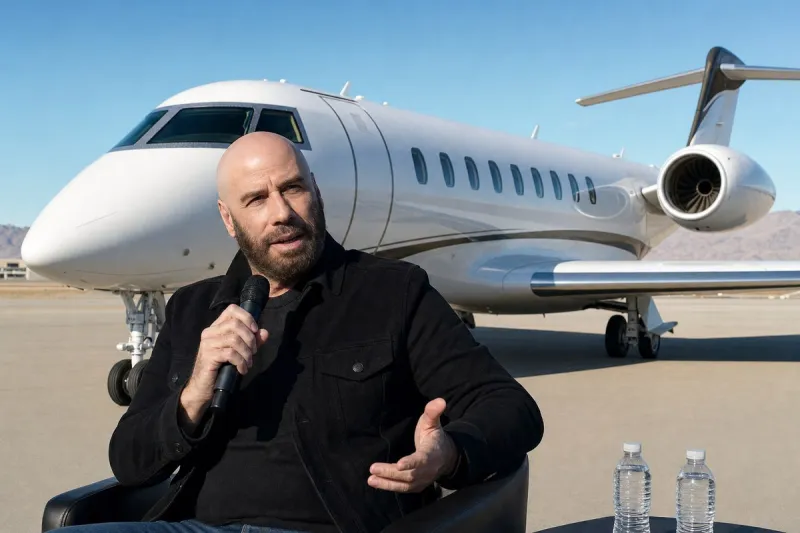
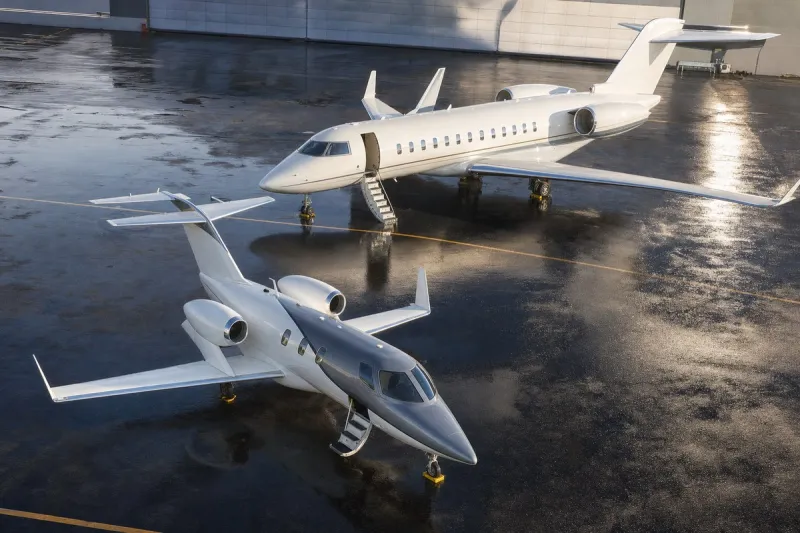
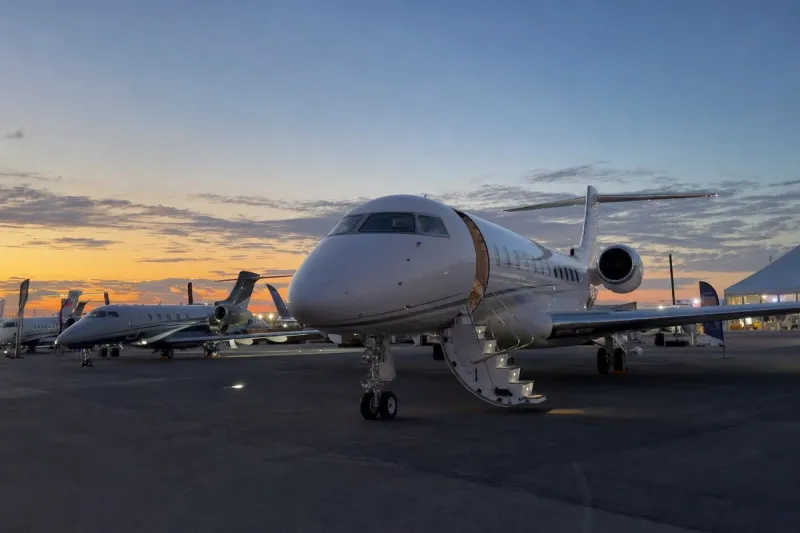
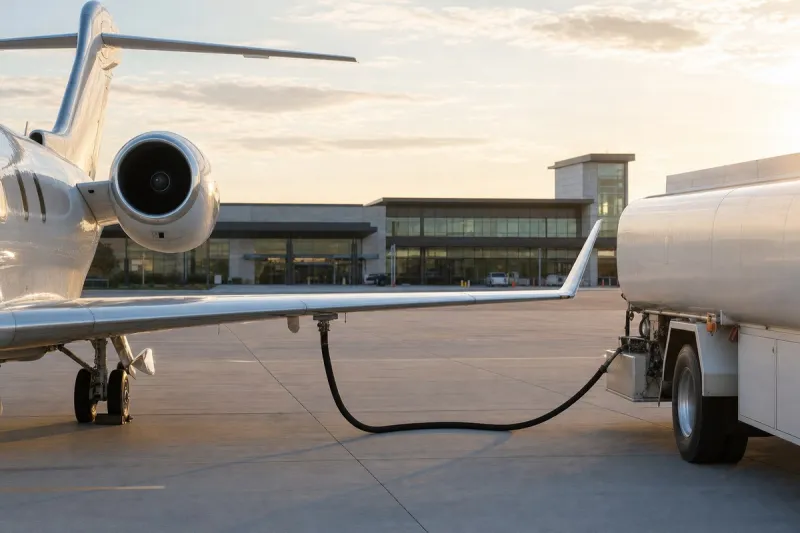
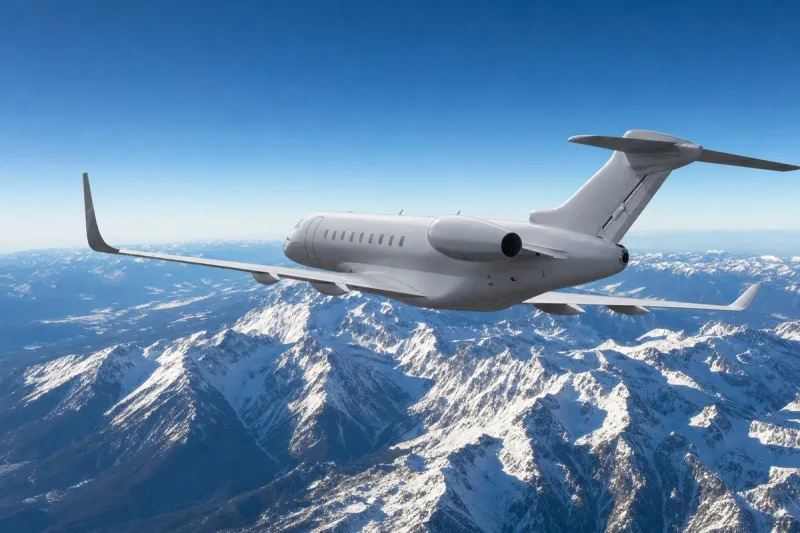
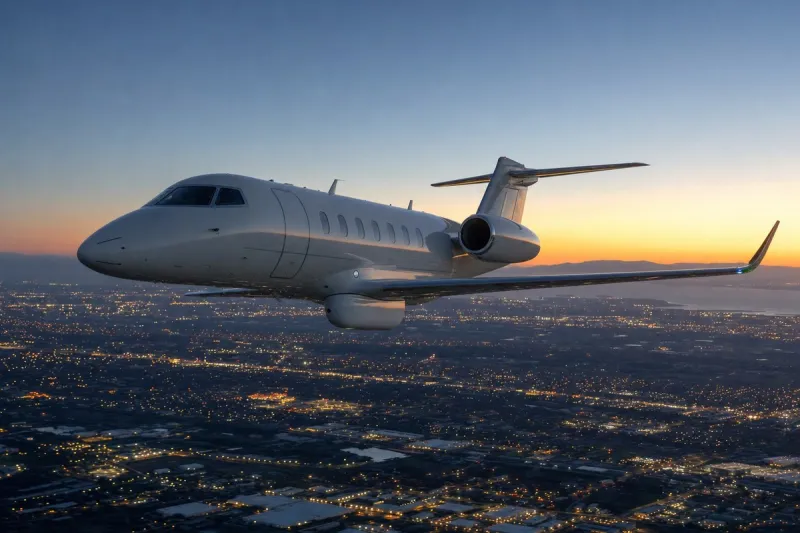
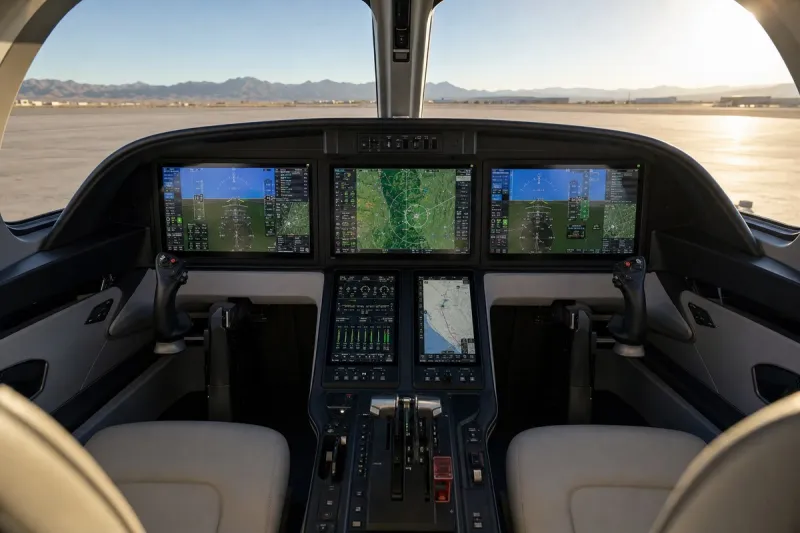
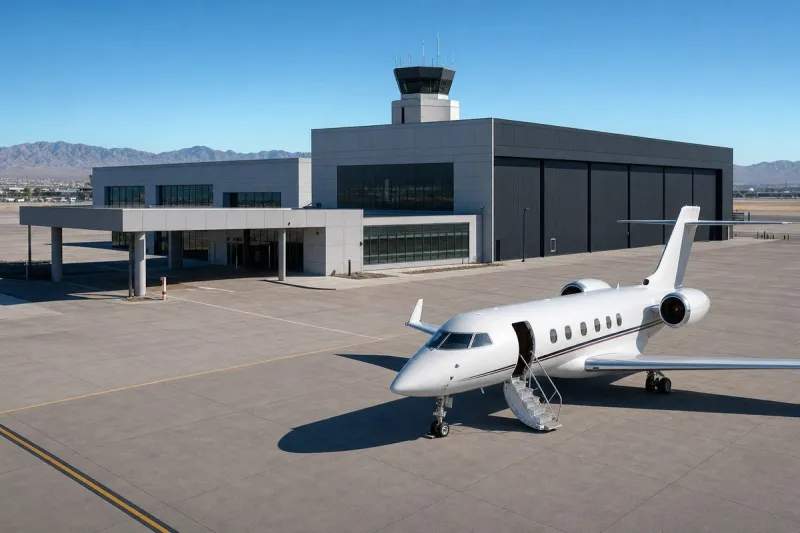
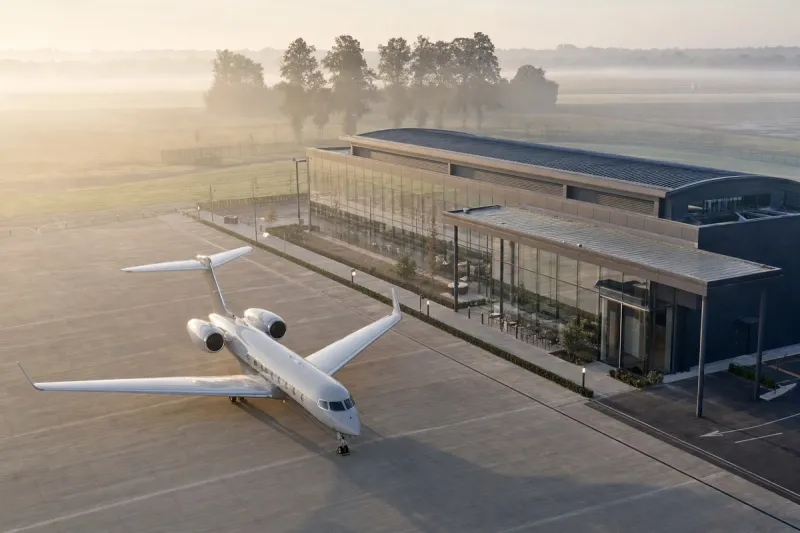
Flexjet is extending its luxury approach beyond bespoke aircraft cabin interiors to cover the entire trip, Global CEO Andrew Collins said during the National Business Aviation Convention in Las Vegas. Collins said vertical integration and technology are helping the second-largest fractional operator raise its luxury offering cost-effectively for fractional shareholders. The strategy includes expanding its network of private terminals and lounges, investing in in-cabin service, and bringing more maintenance and manufacturing capabilities in-house.
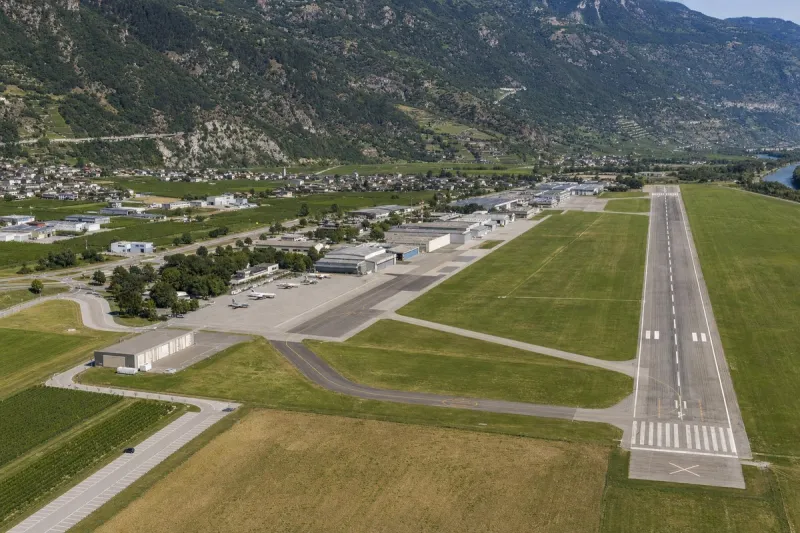
Last year, a private equity company affiliated with LVMH Chairman Bernard Arnault invested $800 million in the operator. Flexjet already operates private lounges at airports including Teterboro and Westchester County in the New York metropolitan area, Love Field in Dallas, Naples, Florida, and Van Nuys serving Los Angeles. Its latest terminal opened last month at London's Farnborough Airport. Partnerships have included yachtmaker Riva and automaker Bentley.
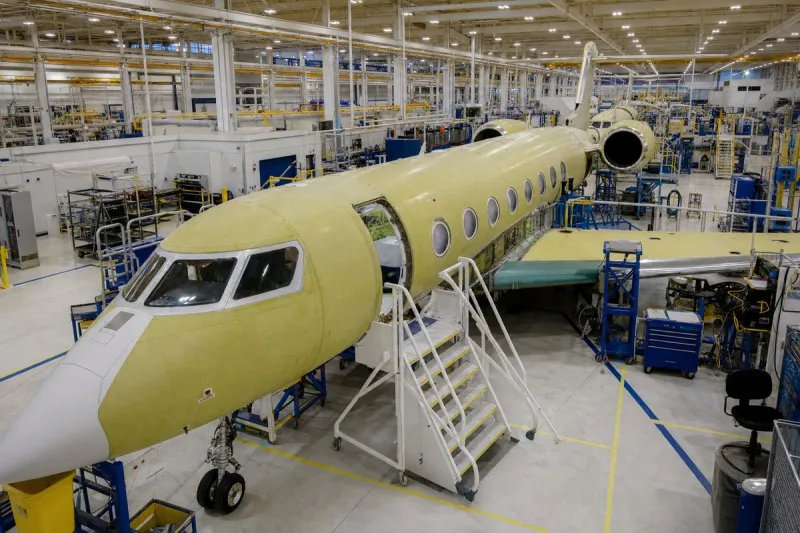
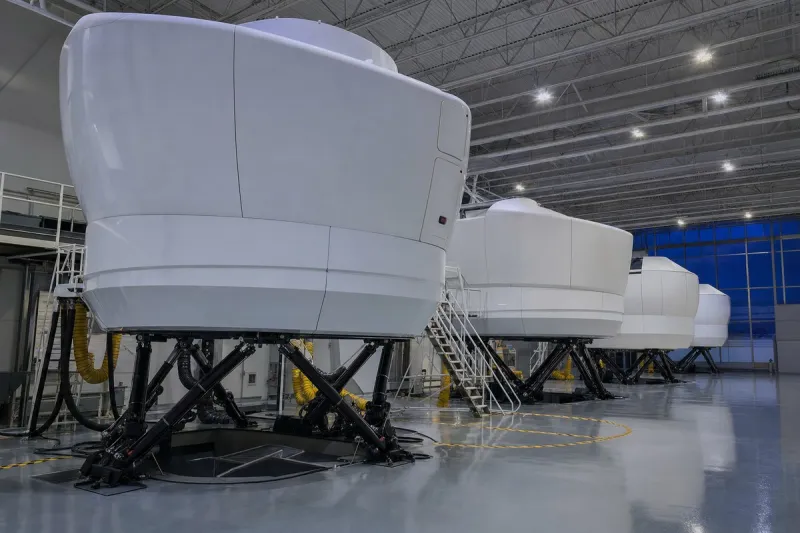
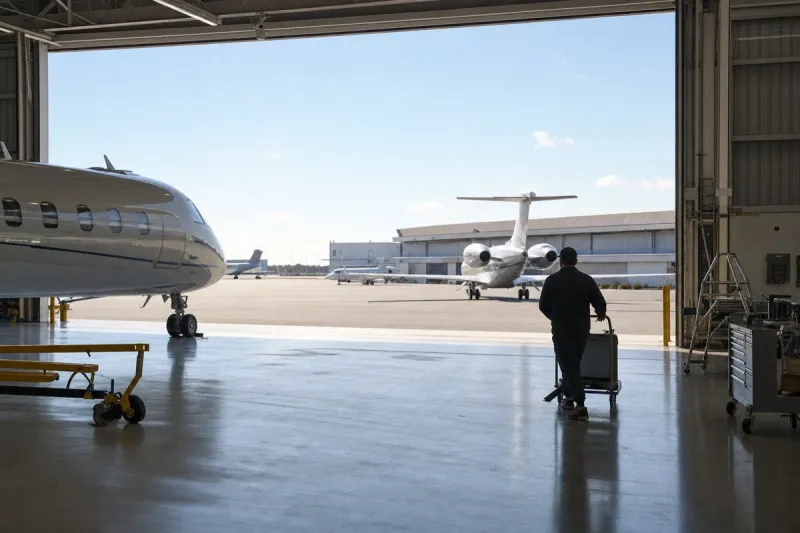
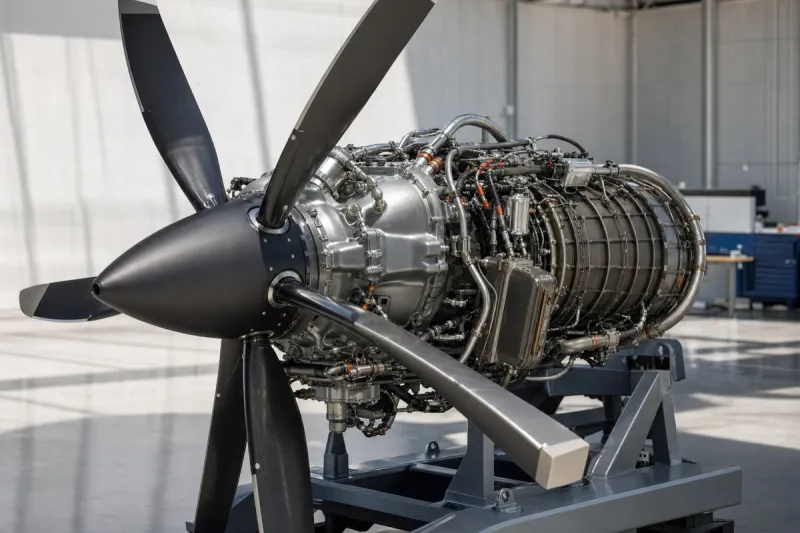
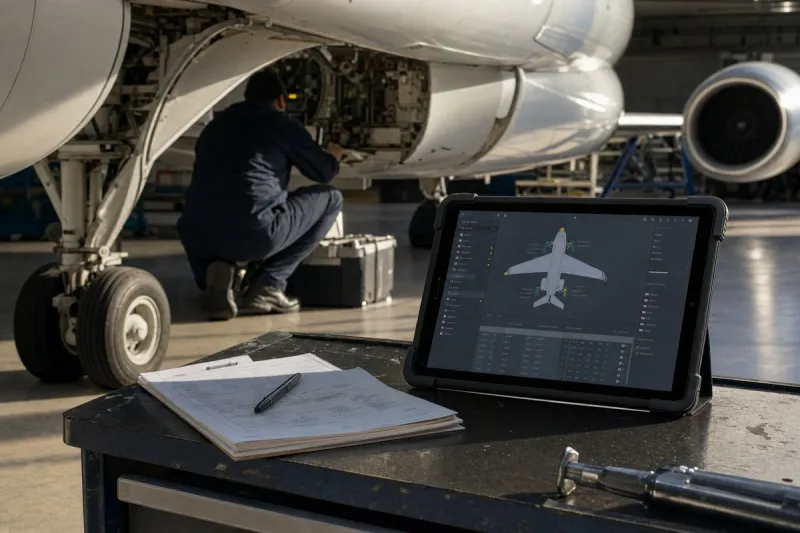
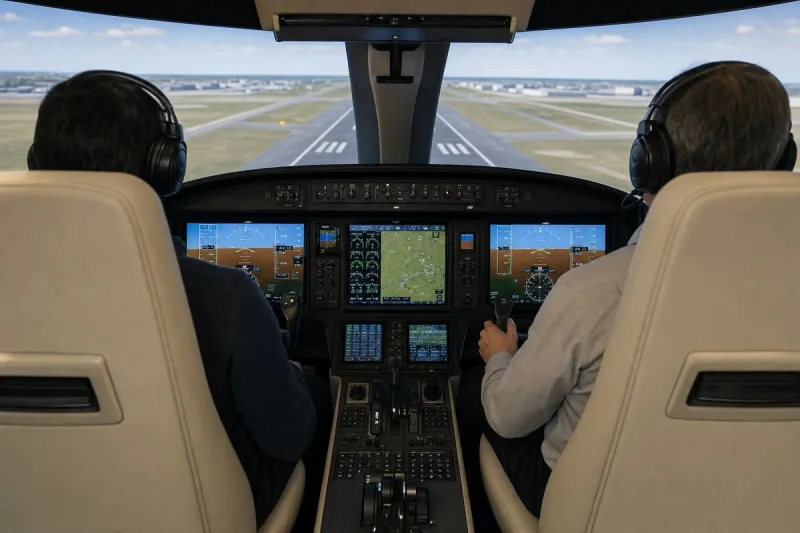
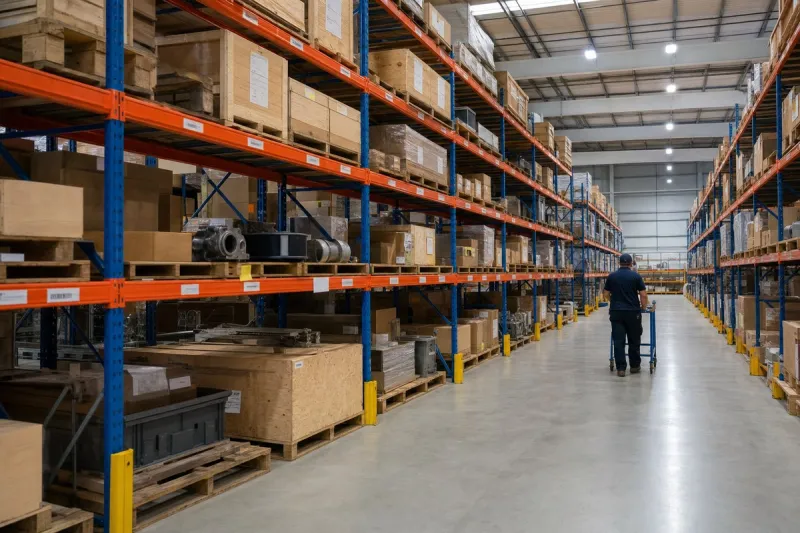
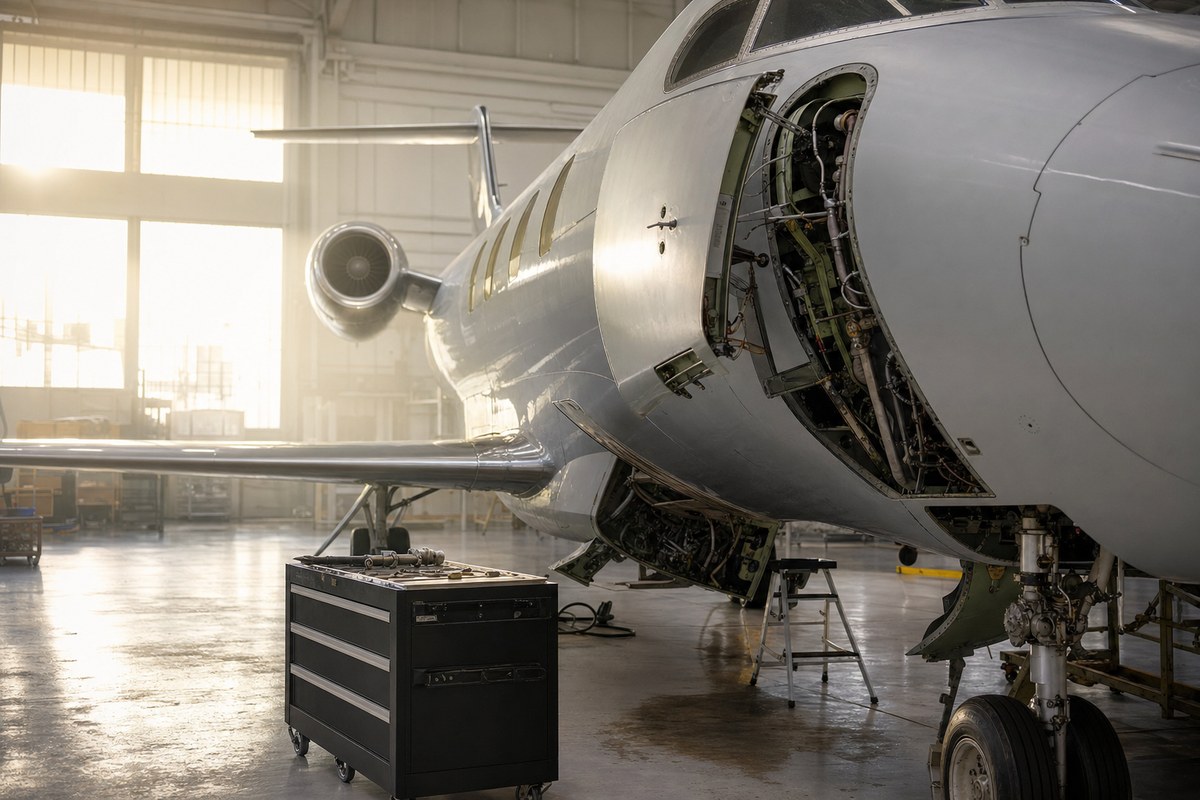
Collins cited Flexjet's Red Label service, custom interiors, Starlink connectivity and cabin-server training through Red Label Academy, which he said now has two locations in London. He said Flexjet has about 1,500 maintenance technicians working across more than two million square feet of space and performs 95% of its maintenance in-house, giving it greater control over quality and aircraft availability planning, particularly in peak periods.
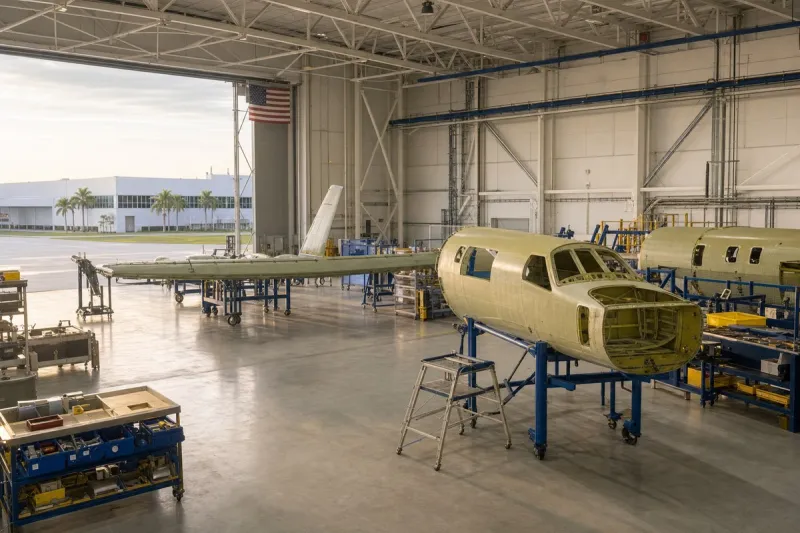
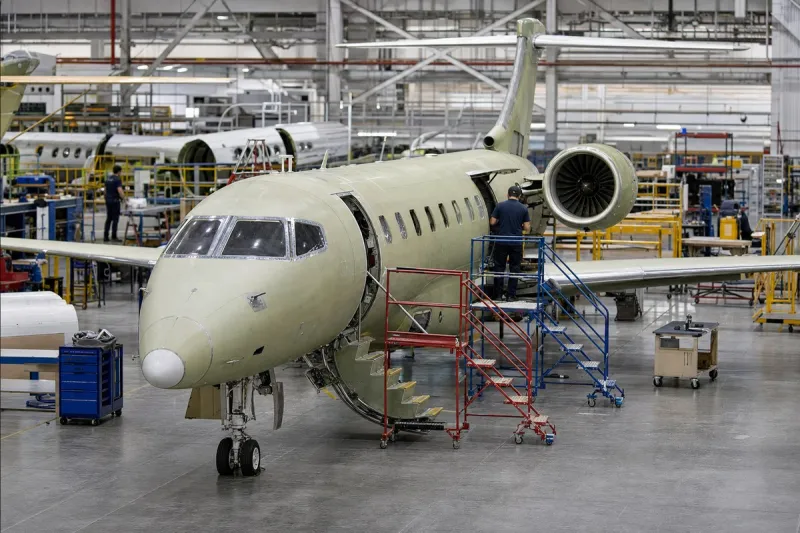
Collins described the Flexjet Technical Services facility in Peterborough, which has two large hangars and equipment for producing components such as aircraft seats, as an example. He said the company moved to in-house seat production after supply-chain challenges with original equipment manufacturers. CNC machines at the site automate parts of production, including measuring and cutting leather, and the facility also supports aircraft painting and runs an apprenticeship program. Collins said acquisitions of maintenance businesses Constant and Flying Colours delivered some of the quickest returns.
"In five to 10 years, if we've done our job, Flexjet should be synonymous with luxury," Collins said, adding that more announcements for 2027 are in the works.
Industry impact & what to watch
Fractional programs sell a promise of availability as much as a cabin. When an operator performs nearly all of its own maintenance and builds its own seats, it takes on supply-chain exposure that would otherwise sit with outside shops and OEMs, and it gains scheduling control in the peak periods when shareholders most expect an aircraft to be ready. Flexjet's move into seat production after OEM supply problems illustrates how that logic works in practice.
The same reasoning explains the push into terminals and training. A branded lounge and a trained cabin crew extend the product from the aircraft to the curb, which is difficult for a competitor that relies on third-party FBOs and generic service standards to match. Whether the cost-effectiveness Collins described holds up will show in how the operator's offering evolves across its fleet and shareholder base.
The next concrete milestone is the set of 2027 announcements Collins said are in the works. Their content, and whether they extend the in-house model further into manufacturing or into more airports, will indicate how far this vertically integrated approach is meant to go.