Trump Drops Bombardier Import Threat, Citing Kansas Jobs
Why It MattersImport threats against foreign-built business jets prove hard to execute once the manufacturer's US employment footprint and local political stakes become visible, as FAA-approved aircraft complicate any practical bar on delivery.
What happened
President Donald Trump indicated late Monday that his administration does not intend to take action against Canadian jet maker Bombardier beyond what he had threatened more than a month earlier. He made the remarks during a visit to Wichita, Kansas, where Bombardier employs 1,500 workers.
Trump had threatened in September to bar Bombardier from the US market, prompting Kansas lawmakers, including Republican Senator Roger Marshall, who faces a competitive re-election bid, to contact the White House. Speaking in Wichita, Trump said he would help the company because he had previously regarded it as Canadian but had since learned of its presence in Kansas, and he said jobs there would be protected. Bombardier shares rose 2.1% on Tuesday. The White House and Bombardier did not immediately comment.
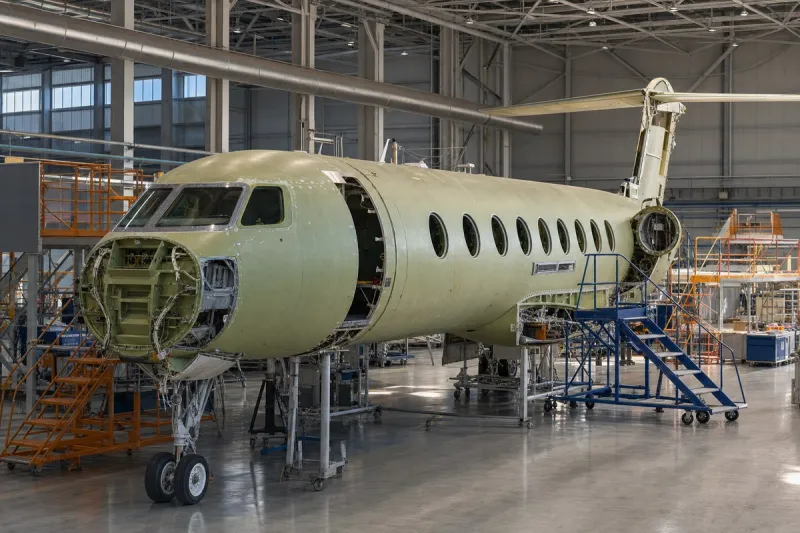
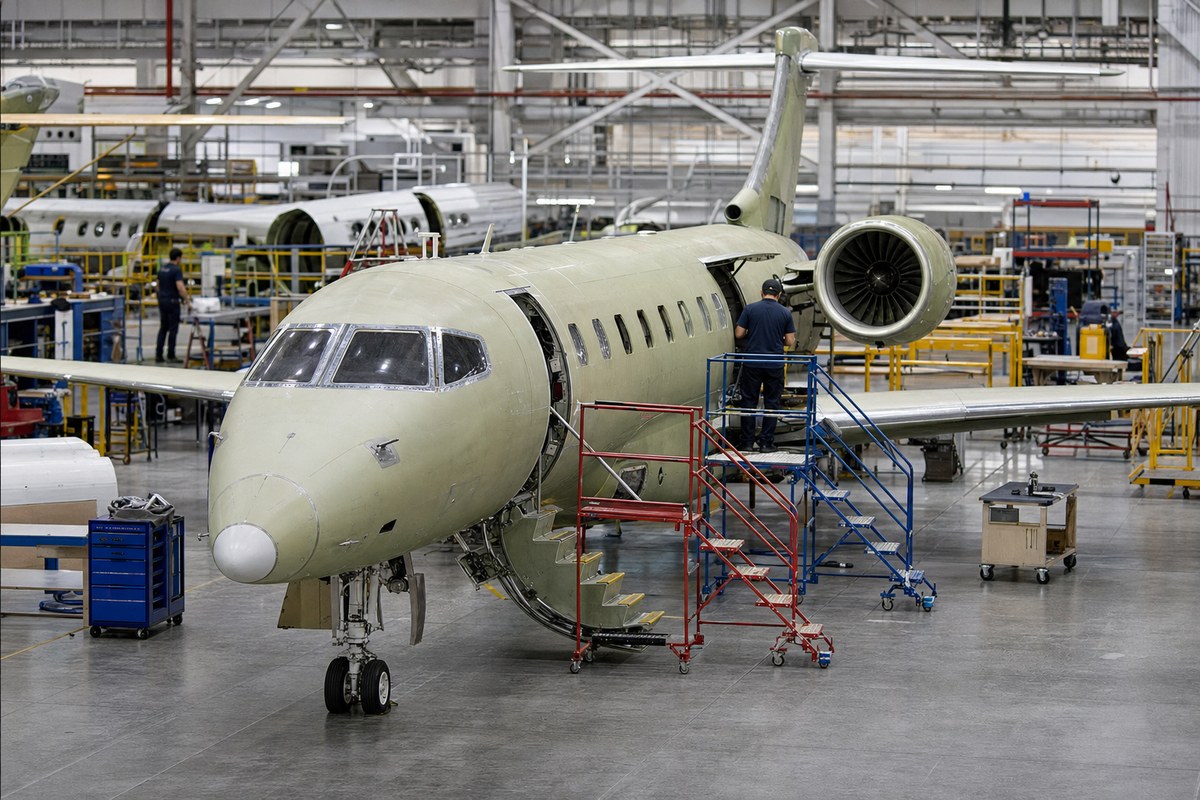
Bombardier has 3,500 jobs in the United States, more than 40% of them in Wichita. Last week the company said it was investing an additional $50 million in its Wichita operations as part of long-term growth plans. Kansas hosts Bombardier Group's US headquarters and Bombardier Defense, and the company plans to open a facility in Fort Wayne, Indiana.
Last month the Trump administration banned a broad range of Canadian alcoholic beverages, motorcycles and dairy products from import, effective Sept. 29, but took no action against Bombardier. The move followed Canada's retaliatory tariffs on US goods, which took effect in early September after Washington imposed tariffs on some $20 billion of Canadian goods in August following several rounds of collapsed negotiations.
Industry impact & what to watch
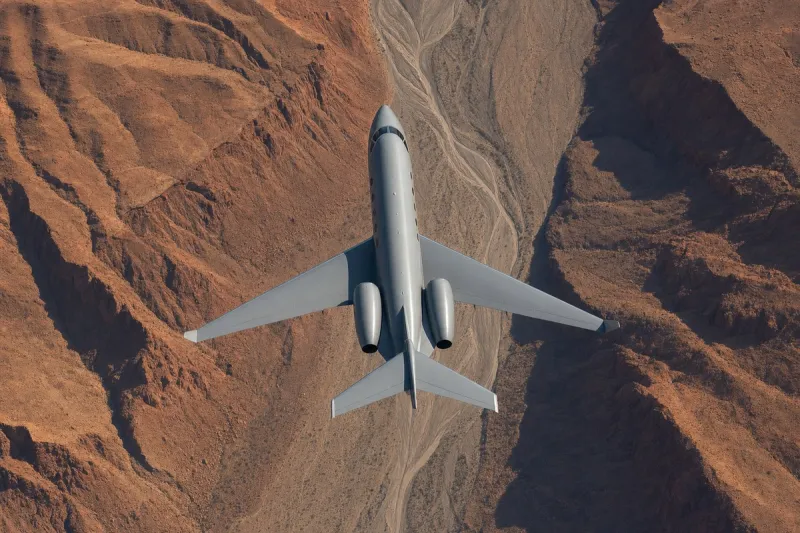
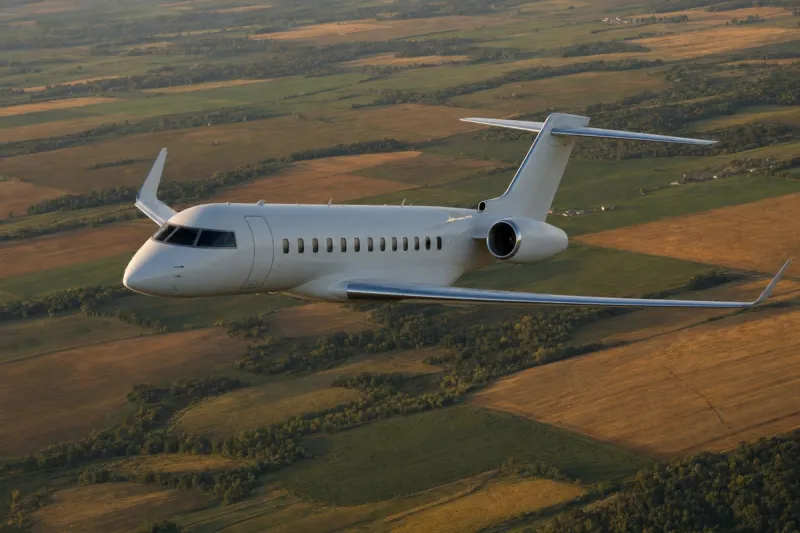
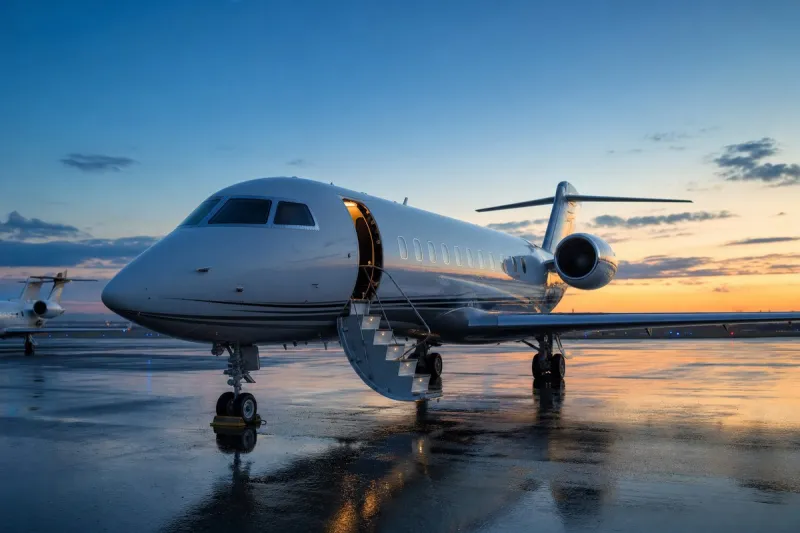
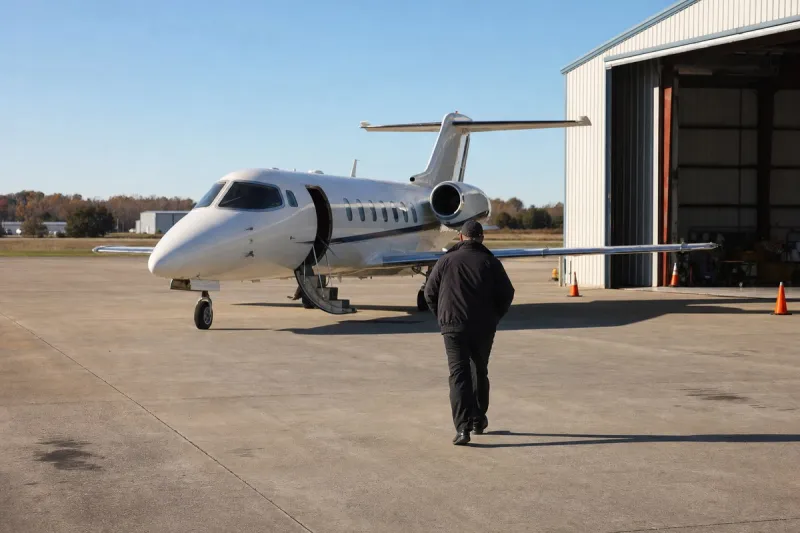
The episode shows how a trade threat against a foreign business-jet builder runs into the aircraft's own regulatory standing. Bombardier's jets have been approved by the US Federal Aviation Administration, and it was unclear how the administration could bar them from delivery to American customers. Trump's February threats to decertify Bombardier aircraft over a certification dispute involving US rival Gulfstream Aerospace never materialized, and Transport Canada eventually approved the American-made jets.
The second pressure point is geography. A manufacturer with 3,500 US jobs, a US headquarters and a defense unit in Kansas, plus a fresh $50 million investment in Wichita, is politically harder to target than a purely foreign exporter. The state's lawmakers, one of them facing a competitive re-election, were the ones who carried the concern to the White House.
For buyers and operators of Bombardier aircraft, the relevant signal is that the threatened market bar has not been followed by any measure against the company, while the broader Canada–US tariff dispute continues to hit other product categories. Any written White House or Bombardier position would be the clearest confirmation that the matter is closed.