BEA: Light aircraft pilot training should better cover unrecognised flight behind the power curve
Why It MattersTraining built around level slow-flight demonstrations leaves a gap, because the transition into the second regime occurs during climbs and take-off; closing it points to scenario-based instructional materials rather than new rules.
What happened
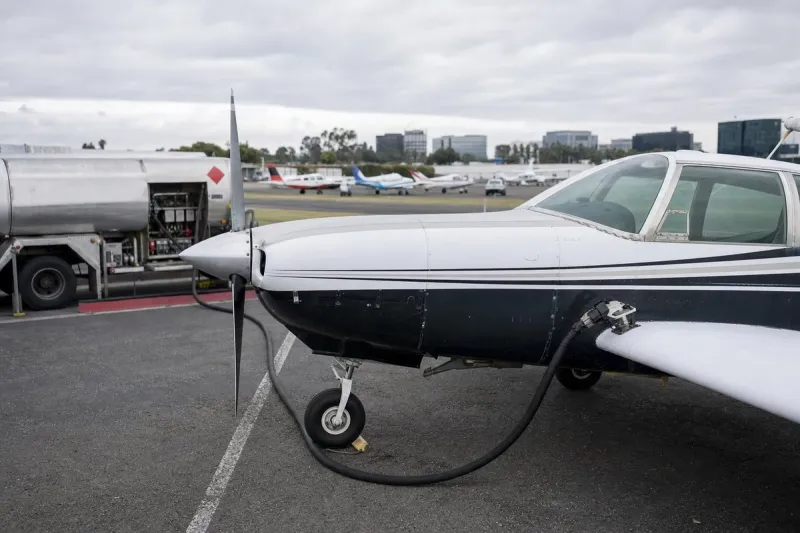
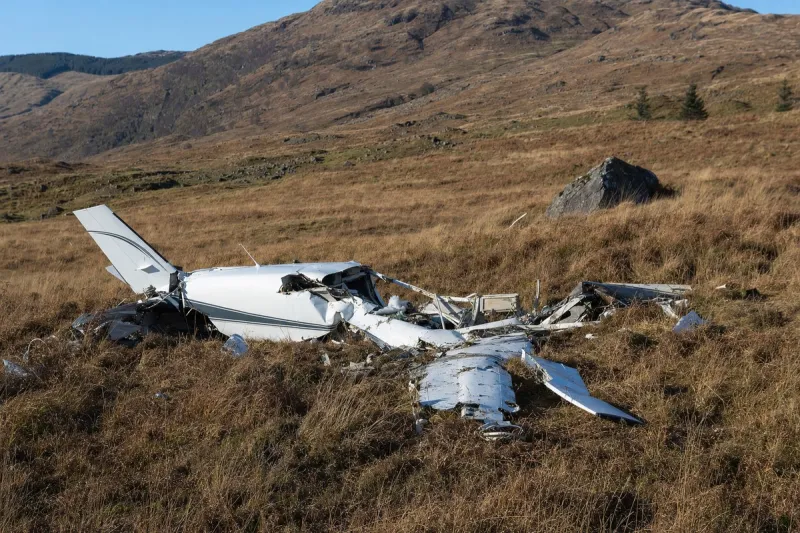
France's investigation authority BEA says pilots of light aircraft need better training to understand the danger of prolonged flight behind the power curve. This occurs when an aircraft flies at low speed, needing a high angle-of-attack to hold height, without the reserve power to accelerate or climb. In a newly published analysis, BEA says recent inquiries have often found pilots were unknowingly operating in this condition, known in French as the 'second regime'. Testimony from surviving pilots indicates that, through insufficient knowledge, they were unaware the aircraft was at a high angle-of-attack.
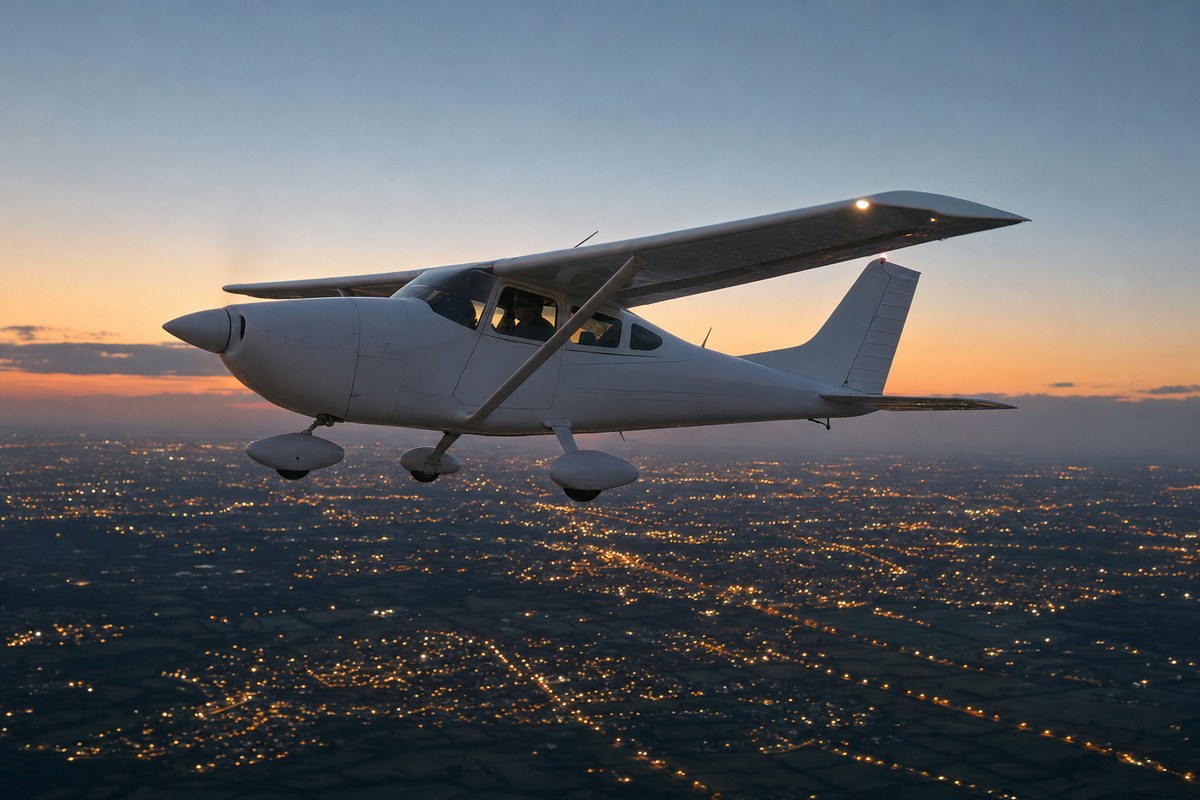
The condition mainly arises during mountain flying or normally transient low-speed phases such as take-off or an aborted landing. From 2019 to 2025, BEA recorded 20 accidents in these circumstances, a dozen of them fatal. They made up 4% of light aircraft accidents in the period but 15% of fatal occurrences and over 20% of casualties.
BEA describes the mountain accident scenarios as similar. Pilots approach terrain with a climb gradient close to the valley slope, but the slope steepens sharply near the summit, pass or ridge. Pilots tend to increase pitch attitude unconsciously, raising angle-of-attack and drag and entering the 'second regime' close to stall, at low height and with limited energy reserve. Pilots often position the aircraft in the centre of the valley, removing the option of turning back. Take-off or aborted landings can also lead to prolonged 'second regime' flight as ground effect disappears and a high angle-of-attack persists.
BEA says pilot training mostly demonstrates slow flight with the aircraft level, at a safe height. The analysis shows the gradual transition can occur during a climb and can persist during take-off despite indications of maximum power. BEA says exercises in basic pilot training do not fully cover these situations, and suggests raising awareness by illustrating the typical scenarios and developing materials showing how the transition occurs in a climb.
Industry impact & what to watch
The pattern BEA describes is a training-design problem more than a handling-skill problem. A manoeuvre taught level and at a safe height does not resemble the situation in which the condition actually kills people: a climbing aircraft, close to terrain, with the pilot's pitch input creeping upward without being noticed. For flight schools and clubs, that gap sits in the syllabus itself, so the likeliest response is new teaching material rather than new aircraft requirements.
The statistics also show why a small accident category draws attention. At 4% of light aircraft accidents but 15% of fatal occurrences, these events are disproportionately lethal, because they happen at low height with little energy reserve and little room to recover. Fatality-weighted figures like these tend to carry more weight with instructors and insurers than raw accident counts.
BEA's suggestion is limited to raising awareness through illustrated scenarios and climb-transition materials. The next marker is whether flying schools and instructor bodies adopt such materials, and whether mountain-flying instruction takes up the valley-centre positioning and steepening-slope scenarios BEA describes.