Patient Dies After Indian Air Ambulance Lands Emergency in Dhaka Following Cabin Pressurisation Failure
Why It MattersAir ambulance flights operate with little margin once a pressurisation fault arises, so the diversion decision and the choice of nearest suitable airport dominate how such emergencies end.
What happened
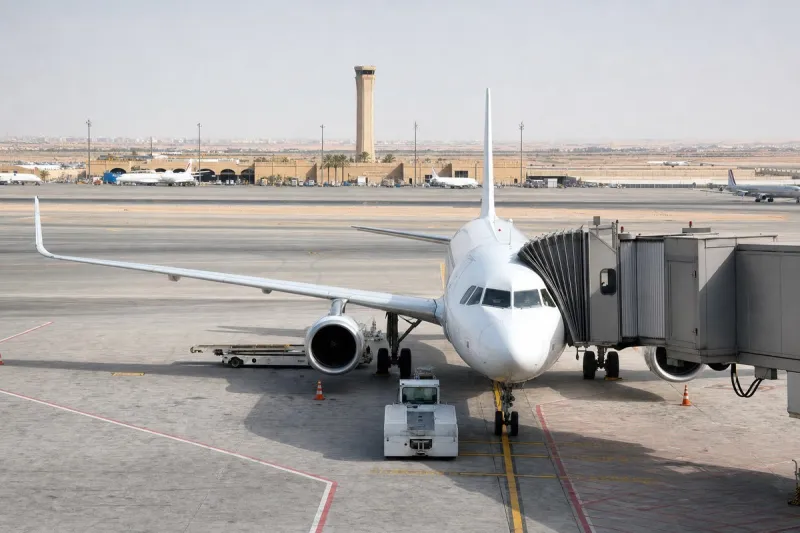
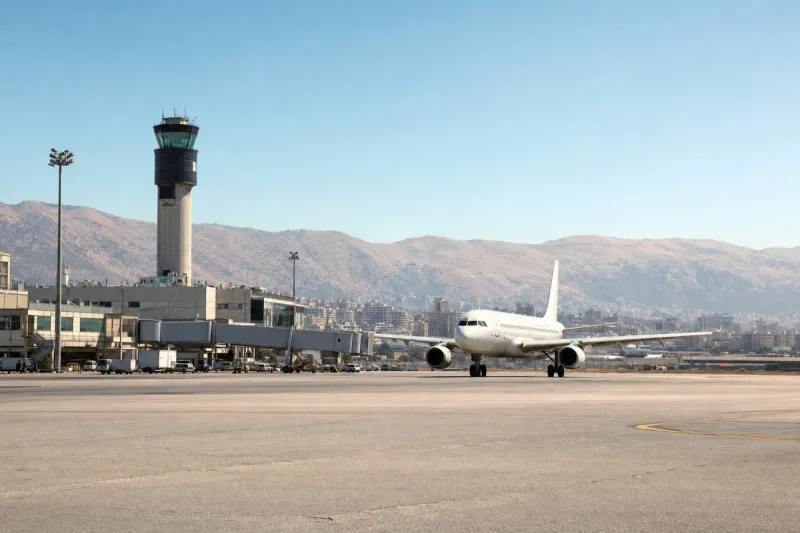
A patient died after an Indian air ambulance made an emergency landing at Hazrat Shahjalal International Airport in Dhaka on 18 October. The cause of the diversion was a cabin pressurisation failure that damaged the aircraft's main door and caused it to open partially mid-flight.
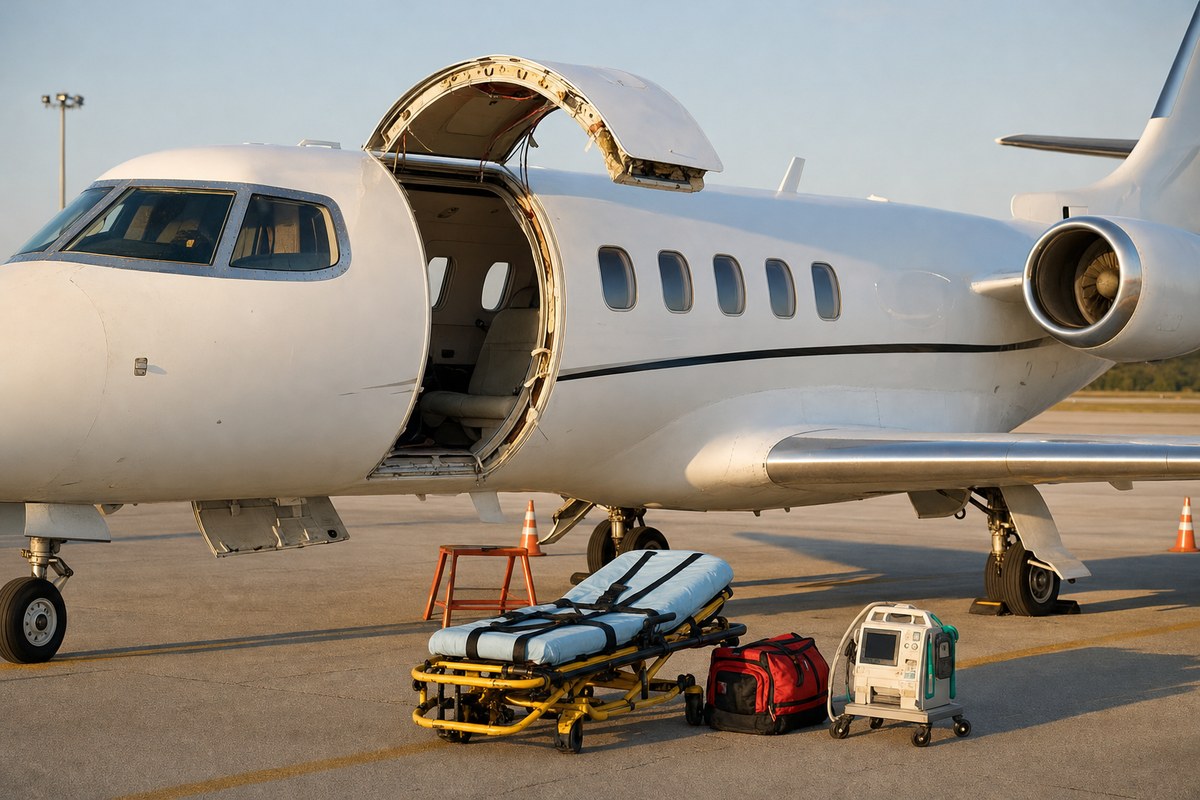
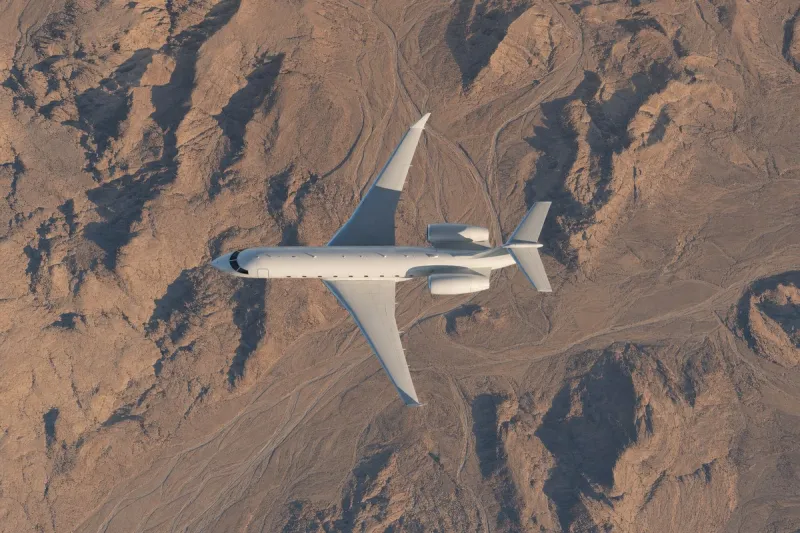
The aircraft was flying from Agartala to Kolkata with seven people on board: two crew members, a patient, a doctor and a paramedic. It departed Agartala at 1:05pm Indian time.
While climbing above 12,000 feet, a fault developed in the cabin pressurisation system, damaging the main door. The pilot declared an emergency, and the aircraft landed at Dhaka.
Industry impact & what to watch
An air ambulance carries a patient whose condition may already leave little tolerance for cabin altitude changes, a loss of pressurisation or an extended diversion. When a fault like this appears during the climb, the crew has to weigh returning, continuing or diverting to the nearest suitable runway, and here the nearest suitable runway was across an international border. Cross-border diversions add coordination between air traffic services and airport authorities on top of the emergency itself.
The cause of the patient's death has not been established, and nothing here links it to the pressurisation failure. The pressurisation fault and the damaged door are the matters an investigation would examine, and any findings on both will determine whether this stays an isolated event or points to a wider maintenance or design question for the aircraft type involved.