San Diego's Montgomery-Gibbs Airport Is Nation's Top General Aviation Lead Polluter; Unleaded Fuel Sales Remain Tiny
Why It MattersThe San Diego gap between available unleaded fuel and actual sales shows that voluntary supply alone does not move general aviation off leaded fuel while price and training-fleet habits go unaddressed.
What happened
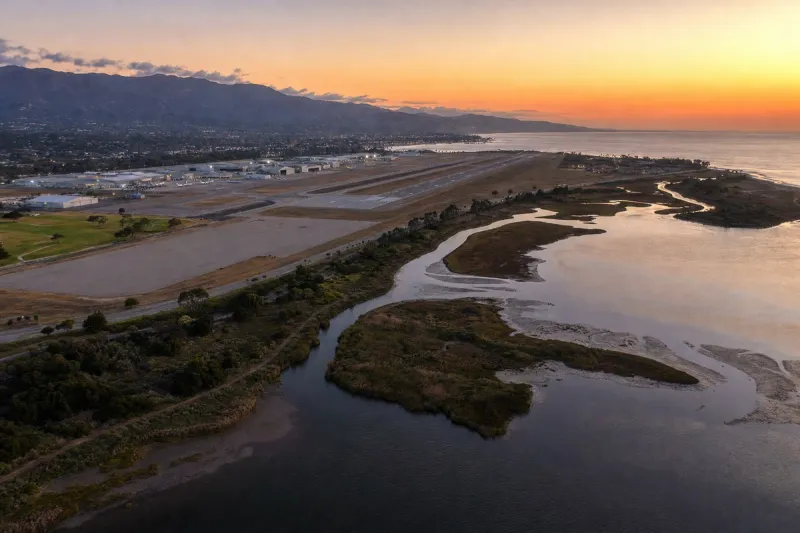
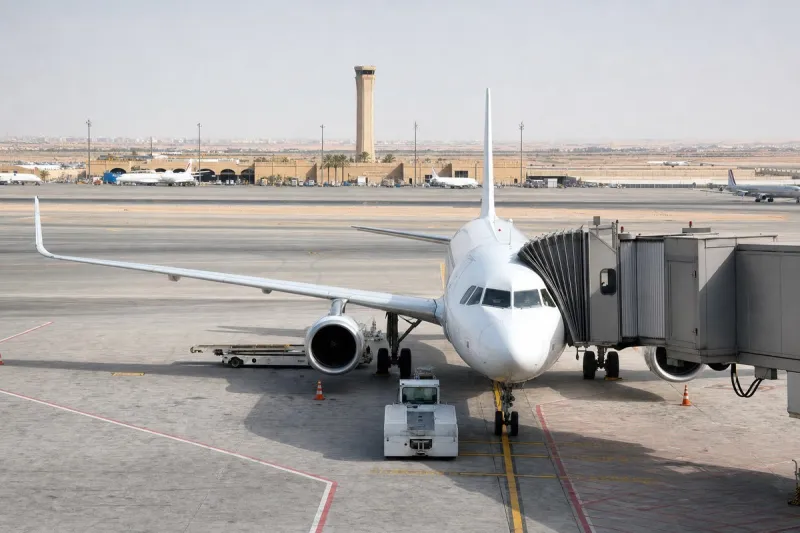
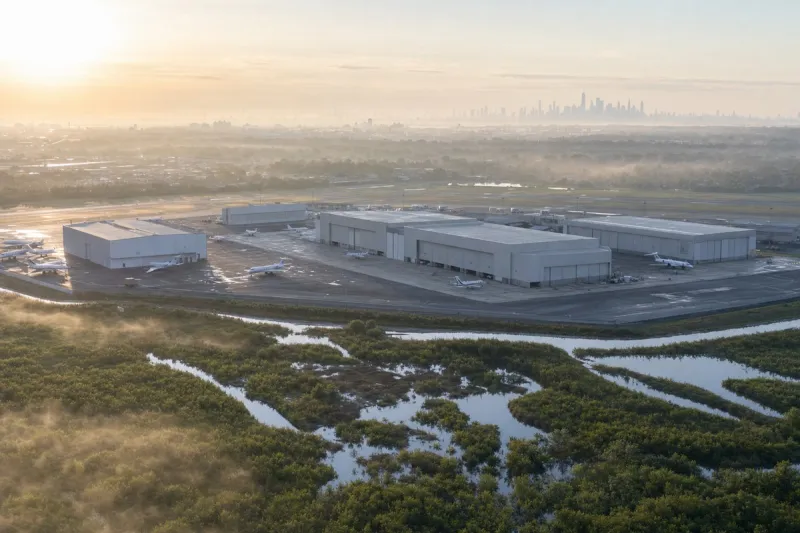
Montgomery-Gibbs Executive Airport (MYF) in San Diego's Kearny Mesa is the highest lead-polluting general aviation airport in the United States, according to federal data obtained by inewsource through a records request. The city-owned, three-runway airport sold more leaded aviation fuel last year than in any other year in over a decade.
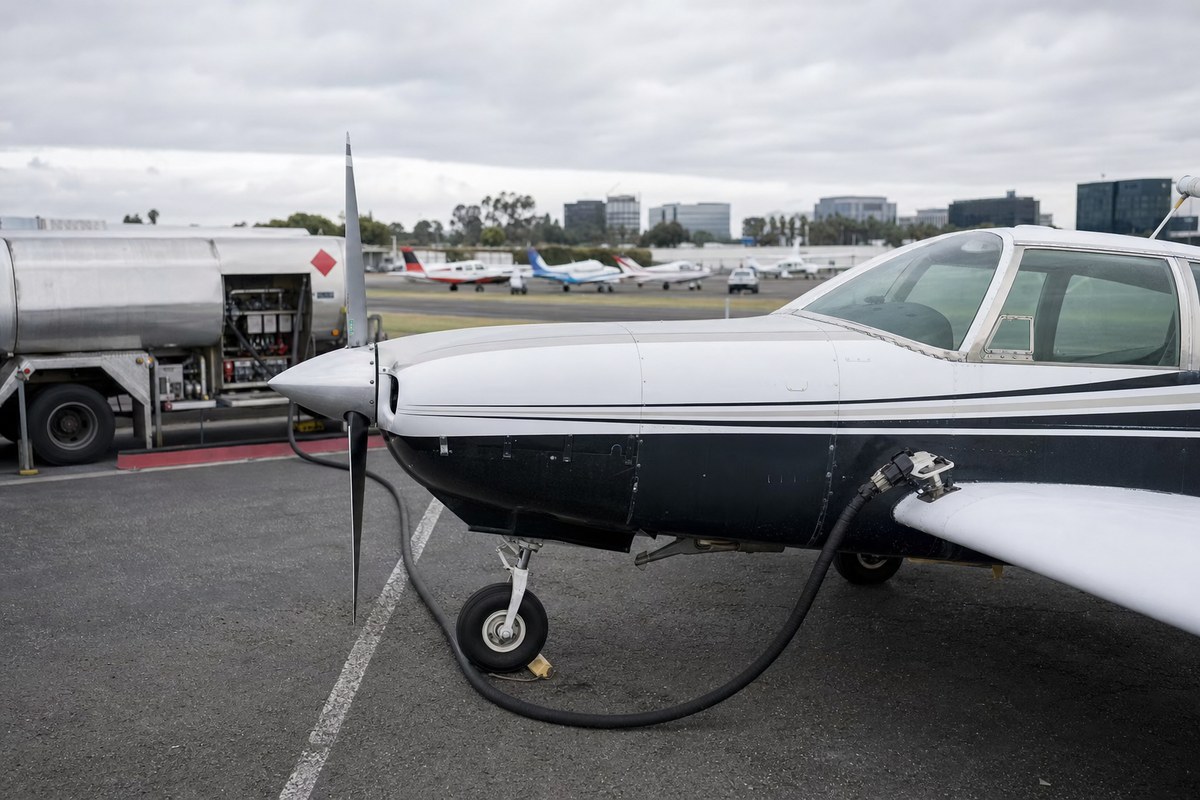
In November 2024, San Diego Mayor Todd Gloria marked the introduction of unleaded aviation fuel at the airport. Two years later, Crownair Aviation, the company that partnered with the city to distribute a transition fuel called UL94, has sold just over two dozen gallons of it. Over the same period, more than 1 million gallons of leaded fuel were sold at the airport.
A large share of the leaded fuel is used by flight schools such as Coast Air, which train pilots in touch-and-go patterns. Planes emit about half of their exhaust during takeoff and landing, and the training flight paths pass over or within 2 miles of more than 30 schools. Local non-military operations over the last decade nearly doubled compared with the decade before. Coast Flight Training did not respond to interview requests.
Lead is a toxic substance that causes permanent damage to the brain and central nervous system and is especially dangerous to children; there is no safe level of exposure. A 2024 Colorado study found a small but statistically significant effect on blood lead levels in children living within two miles of an airport. An earlier Santa Clara County study found peak-hour lead levels at half those seen at the height of the Flint water crisis. By one estimate, leaded aviation fuel accounts for 70% of lead released into the air.
The county of San Diego's blood lead prevention program does not conduct targeted testing of children in communities around the airport, though state law requires targeted testing for children at the greatest risk of lead poisoning. A county spokesperson said it has distributed fliers at health fairs and leaves testing decisions to providers and parents.
Phase-out deadlines and local positions
The Federal Aviation Administration plans to phase out leaded fuel by 2030 under its EAGLE program, but officials said publicly in July that the timeline may slip. Its effort began with a task force in 2011, and earlier deadlines have lapsed. The California Air Resources Board urged the FAA to set regulatory requirements and clear target dates. The FAA has required federally funded airports to keep leaded fuel available until a replacement is fully authorized.
California Gov. Gavin Newsom signed the nation's first state ban on leaded aviation fuel in 2024. San Diego airport chief Jorge Rubio supports the 2031 ban but called further local action "a delicate balance," and attributed low unleaded sales to the fuel's higher cost and industry reluctance to switch. Resident Robert Germann, a critic of leaded fuel for almost 15 years, argues the city should mandate unleaded fuel already on the market.
Industry impact & what to watch
San Diego illustrates a structural feature of the piston-aircraft fuel market: availability of an unleaded grade does not translate into uptake when the leaded product remains cheaper and legally required to stay on the pumps. Flight schools burn the most fuel per aircraft because of repeated takeoffs and landings, so they hold the most leverage over whether demand ever shifts. A transition fuel that sells two dozen gallons against a million gallons of the incumbent is, in commercial terms, still a pilot program.
The federal posture compounds this. With the FAA obliging federally funded airports to keep leaded fuel available until a replacement is fully authorized, and its own 2030 target already described as at risk, airport operators face a split: California's statewide ban points one way, the federal condition on funding points the other. FBOs and fuel distributors in other states are likely to read San Diego as a preview of what a voluntary rollout produces without a purchasing mandate.
The next fixed point is the 2031 California ban. Whether the FAA sets firmer regulatory dates, as the California Air Resources Board has asked, will determine how much of the national general aviation fleet faces the same transition pressure.