Conflicts Squeeze Europe–Asia Air Traffic Into an 85-Nautical-Mile Corridor Over Azerbaijan
Why It MattersConcentrating a continent-linking traffic flow into one narrow strip makes long-haul routing, fuel planning and risk exposure hinge on a single airspace, so any disruption there reaches Europe–Asia schedules at once.
What happened
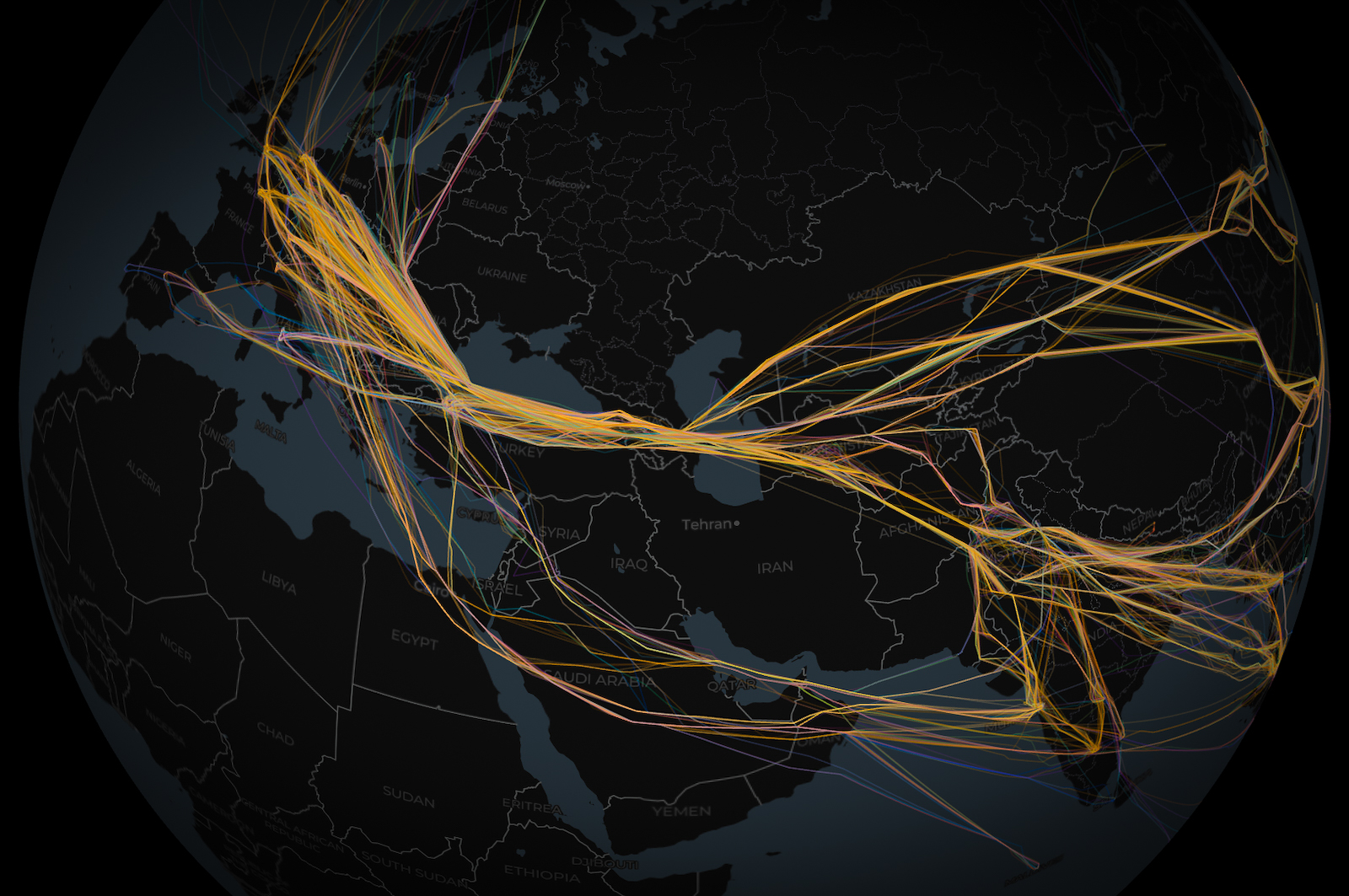
Expanding conflict zones across Europe, Northeast Africa and the Middle East are forcing hundreds of daily transcontinental flights into a single airspace corridor over Azerbaijan that is just 85 nautical miles wide.
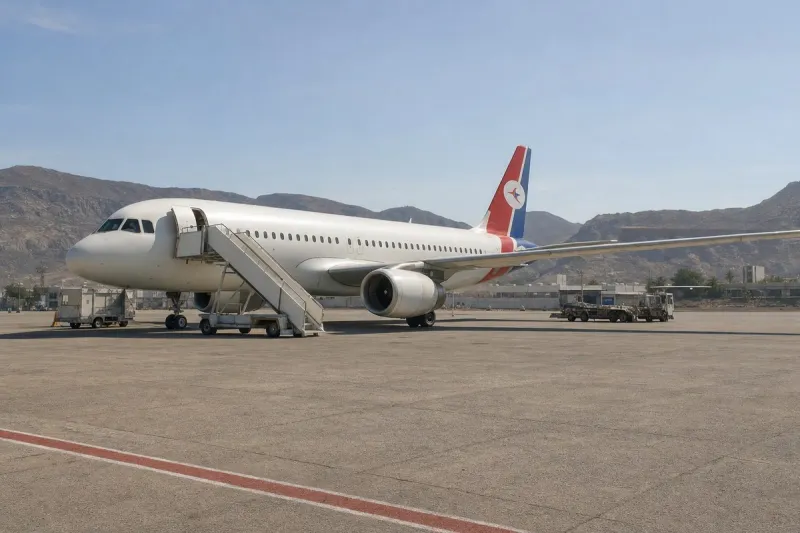
The latest pressure point is Saudi Arabia. Repeated Houthi missile strikes on Riyadh's King Khalid International Airport followed a ramp-up in attacks on the kingdom's airports. An October 11 barrage killed at least 13 people at the airport, days after a Saudia Airbus A320 parked at a gate was destroyed. Warnings to airlines and travelers to avoid Saudi airspace followed, with the Jeddah Flight Information Region cited for a "potentially hazardous situation" involving "ongoing military activities" and Global Navigation Satellite System (GNSS) interference during overflight, arrival and departure.
The disruption follows more than a dozen years of progressively shrinking airspace essential for connecting Europe, Asia and Australia. Instability across Northeast Africa, Eastern Europe and the Middle East continues to close large areas of sky to passenger and cargo airliners. The Ukraine-Russia conflict has no end in sight, and Russian airspace remains denied to North American, European, Australian and many Asian airlines.
As a result, a large majority of traffic is now funneled into a narrow corridor above the South Caucasus. According to Rashad Hasano, Azerbaijan's Deputy Minister of Digital Development and Transport, traffic in Azerbaijani airspace has increased five-fold over the past five years, with a sharp uptick since the U.S.-Israeli bombing campaign against Iran in February triggered a broader regional conflict. The corridor lies over a disputed territory with its own history of armed conflict. A dispatcher at a long-haul U.S. cargo company described the strip of airspace as "invaluable."
Industry impact & what to watch
The case shows how airspace closures compound. Each closed region removes alternatives, and the flows that remain are pushed onto whatever corridor is still open. Europe–Asia routing then depends less on the shortest path and more on where a safe, permitted line of flight survives. A corridor 85 nautical miles wide carrying hundreds of daily flights has little slack: a single closure, a navigation-signal problem or a security event there would affect passenger and cargo schedules across several continents at the same time.
For long-haul planning, this changes what counts as a single point of failure. Operators flying between Europe, Asia and Australia share the same few routing options, so contingency planning, fuel and payload assumptions and crew-duty calculations are all exposed to the same strip of sky. The corridor also sits over disputed territory with its own history of armed conflict, which means the route's availability is tied to a security picture that none of the airlines using it control.
The next signal to follow is the Saudi situation: whether the warnings covering the Jeddah Flight Information Region are extended or lifted, and whether further strikes on the kingdom's airports follow the October 11 barrage. Traffic counts from Azerbaijani authorities would show how much more load the corridor is absorbing as additional airspace closes.