Gulf Airspace Closures and Airport Shutdowns Cost Region Billions as West Asia Conflict Persists
Why It MattersHub-and-spoke economics concentrate Gulf aviation's exposure: when a few connecting hubs close, the loss spreads to regional traffic, long-haul routings, cargo and tourism at once, and fuel-driven cost pressure compounds it.
What happened
Airspace closures and airport shutdowns linked to the West Asia conflict are inflicting multi-billion-dollar losses on Gulf economies. The International Monetary Fund has warned of a 0.3% economic contraction across the Middle East and Central Asia region as the conflict remains deadlocked.
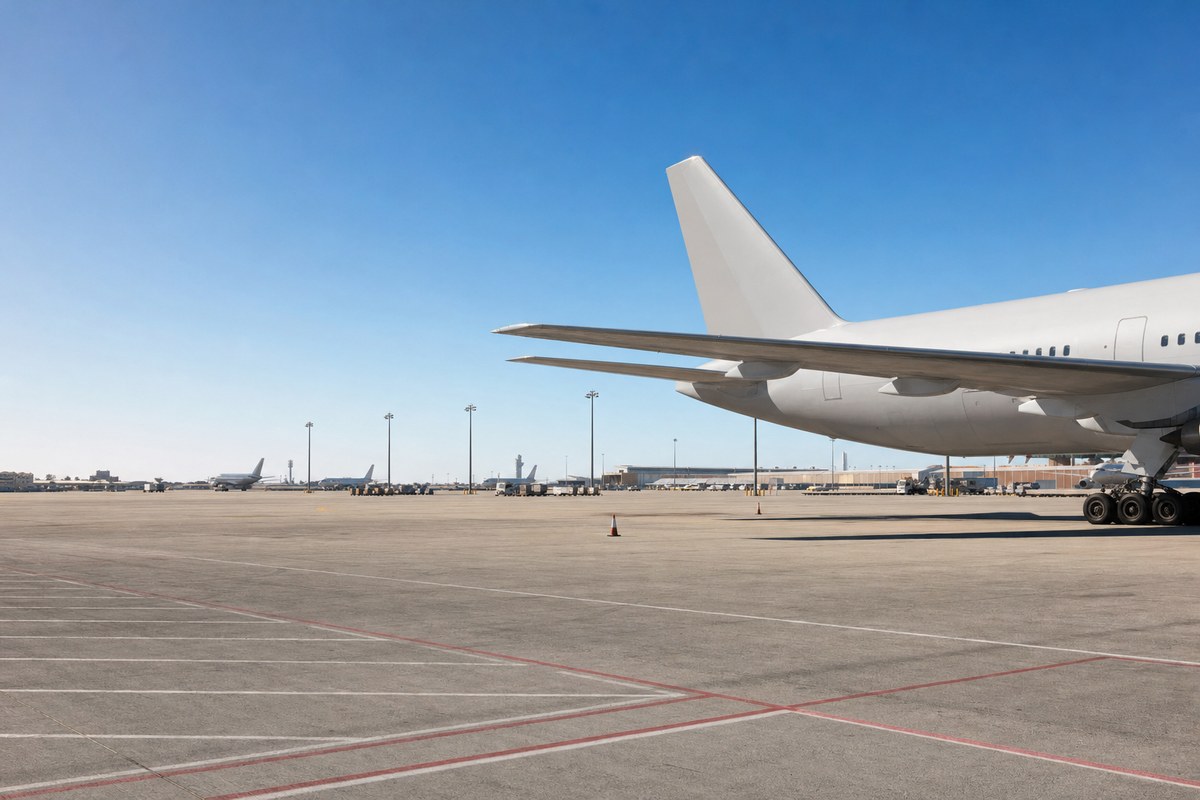
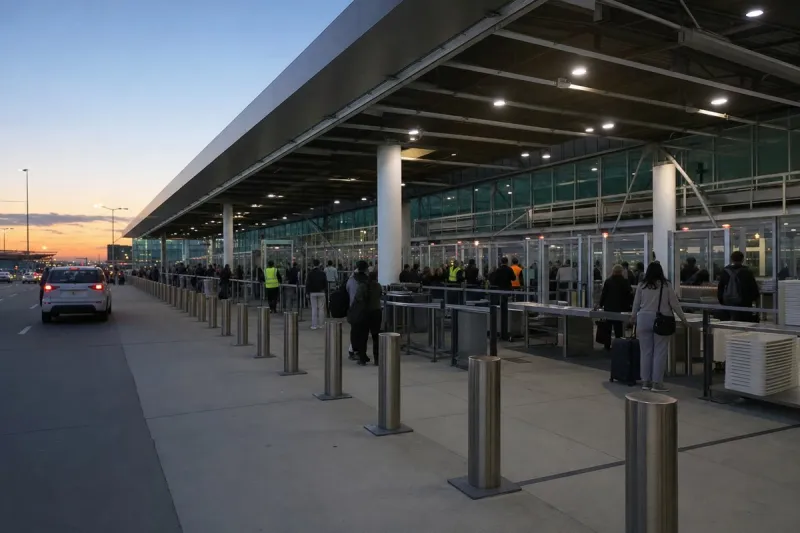
ALG Transportation estimated in early March that one week of airspace closures over multiple Gulf countries cost the regional aviation and transit sector about $800 million. Local media reports, citing the Dubai Civil Aviation Authority, put total damages at more than $5 billion after Dubai International Airport and Al Maktoum International experienced near-total shutdowns between February 28 and March 3. The economic loss in March was put at about $1 million per minute.
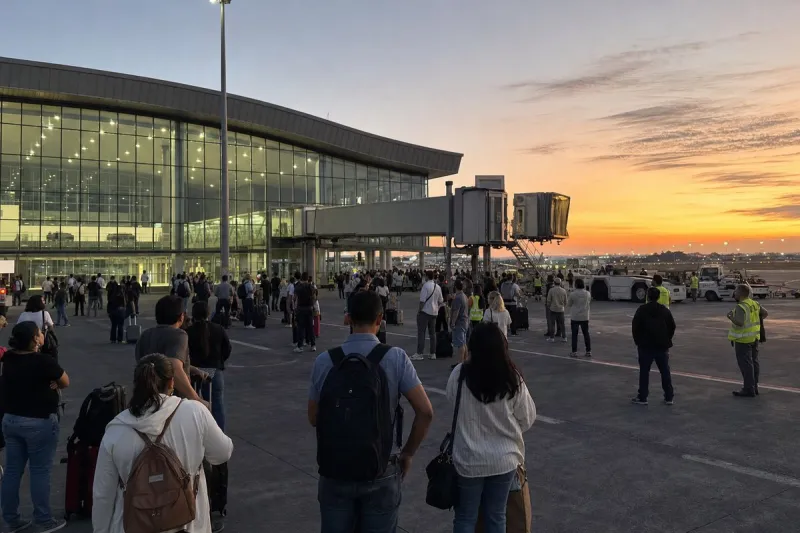
Gulf airspace typically sees more than 10,000 flights crossing per day, with over 3,000 landings and departures in the region handling up to 1 million passengers. Cirium counted 40,000 flights cancelled in the first 10 days of the Iran conflict, including about 57% of regional traffic; more than 12,300 were cancelled across seven major airports in Dubai, Doha and Abu Dhabi. A Khaleej Times report said more than 4,000 flights departing Saudi Arabia have been cancelled or grounded since October 8.
An assessment by Airports Council International and Flare Aviation Consulting found nine major Middle East airports lost between $900 million and $1 billion in revenue over March and April, a 55% shortfall between February 28 and April 30. About one fifth of global East-West capacity, roughly 97,000 passengers per day, was absent, and cargo throughput fell 52% year on year to 571,000 tonnes. The International Air Transport Association halved its 2026 global airline industry profit forecast to $23 billion, citing soaring jet fuel prices and the conflict; that estimate predates the recent attacks.
Allianz chief economist Ludovic Subran said each month of conflict costs GCC economies the equivalent of 1 percentage point of GDP in deficit. An HVS report from May said hotel booking cancellations reached 60% within 48 hours in major tourism markets such as Dubai, and hotel chains' net profits halved in early 2026.
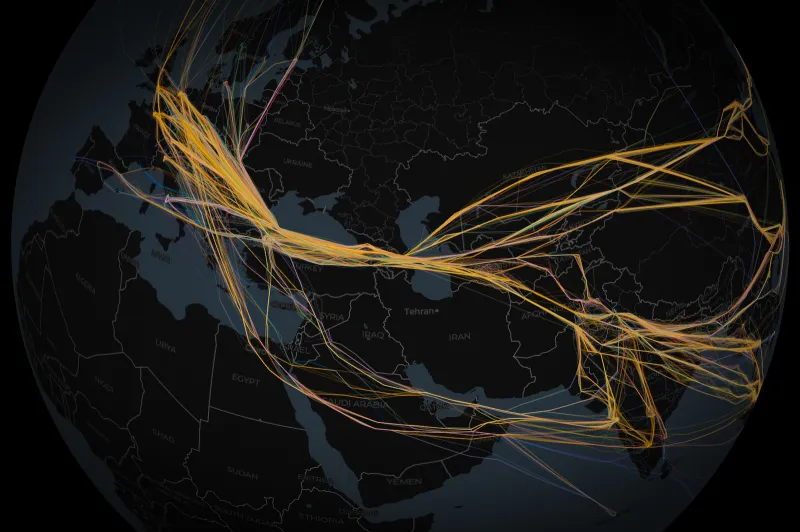
Rerouting long-haul flights around restricted zones can add up to two hours per leg, costing roughly $15,000 to $20,000 per rerouted flight. According to OAG, about 47% of Dubai passengers, 54% of Abu Dhabi travellers and 74% of those in Doha were connecting passengers in 2025. Saudi Arabia has faced missile and drone strikes in every active month of the conflict; King Khalid International Airport in Riyadh suffered extensive terminal damage and fatalities in a recent attack and is closed until at least October 17, with disruptions also reported at King Fahd International.
Industry impact & what to watch
The Gulf carriers' model rests on connecting traffic: with 74% of Doha passengers, 54% of Abu Dhabi travellers and 47% of Dubai passengers transferring in 2025, a closure at one hub removes demand that would otherwise flow through the entire network. That is why the figures span passenger revenue, cargo, hotels and rerouting costs at the same moment.
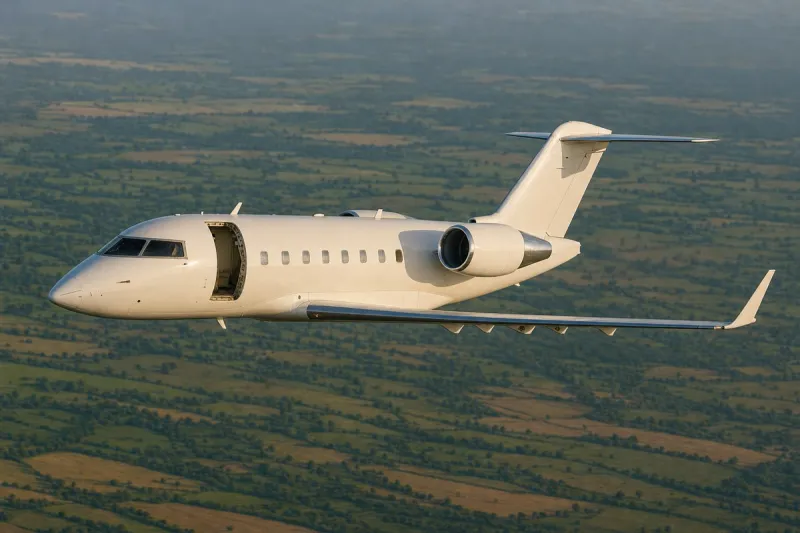
The cost of avoiding the region is also structural. A detour adding up to two hours and $15,000 to $20,000 per flight is paid by every long-haul operator that cannot overfly the Gulf, so the burden reaches carriers far from the conflict. Business aviation is not exempt, since charter and private operators on Europe-Asia and Middle East sectors face the same restricted corridors and fuel pricing.
The next markers are concrete: Riyadh's King Khalid International Airport is closed until at least October 17, and the IATA profit estimate of $23 billion predates the latest attacks, so a revised figure would show how much further the damage extends.