FAA Probes Second Medevac Helicopter That Touched Ocean Moments Before Deadly Catalina Island Crash
Why It MattersTwo night medevac flights meeting trouble over the same dark water within a minute of each other shows how little margin night-vision flying over featureless sea leaves in low-light conditions.
What happened
A second medical helicopter nearly crashed into the Catalina Island coast moments before another medevac flight crashed into the ocean and killed three people two weeks ago, sources told CBS News Los Angeles. The National Transportation Safety Board is investigating the fatal crash, while the Federal Aviation Administration has begun examining what caused the earlier flight to lose altitude and hit the ocean.
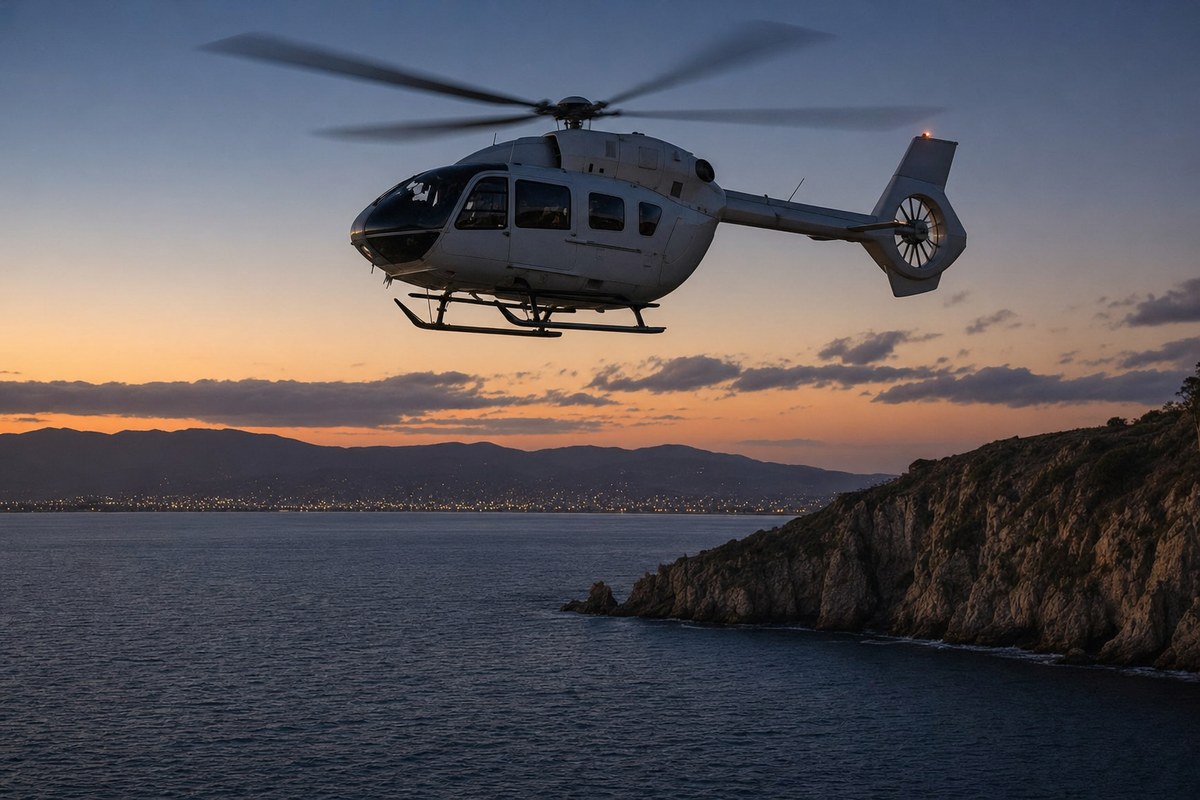
The two incidents occurred nearly a minute apart on Sept. 30. The first involved a Mercy Air helicopter operated by Air Methods, which took off at roughly 7:45 p.m. Witnesses said the aircraft descended into the ocean shortly after takeoff. One witness said the helicopter's belly touched the water, quickly pulled up and briefly touched the ocean again before the pilot regained control.
An internal Air Methods report, obtained by a paramedic and shared with CBS LA, states that the helicopter dropped from 150 feet to 75 feet. After regaining control, the pilot "felt a thump and spray under chin bubble." A family member of someone aboard described the same thump, followed by shaking.
The second helicopter, a Reach Air Medical Services flight, crashed roughly a minute later. Flight data show it went down in nearly the same spot where the Mercy Air helicopter touched the ocean. The Mercy Air flight continued to Harbor-UCLA Medical Center, a flight of roughly 20 minutes, and sources said it was grounded shortly after landing at the hospital.
The Mercy Air pilot also stated in the report that he was wearing night-vision goggles and that "visibility through the NVG's was unclear with no moon, calm ocean." Air Methods has not responded to CBS LA's emails seeking comment.
Industry impact & what to watch
Night medevac work over open water combines several hard conditions at once. With no moon and a calm sea, the horizon is obscure and depth perception is minimal. Retired pilot and flight instructor Capt. Augustine Joseph described exactly that: flying with night-vision goggles in minimal light is difficult, with very little depth perception over water. When two aircraft working the same corridor within a minute of each other meet the same conditions, the useful lesson for the segment is about the environment and the procedures built around it, not about one crew.
Cause is not established for either event. The NTSB is investigating the fatal crash and the FAA has begun examining the earlier flight's loss of altitude, and neither body has published findings. The pilot's own account of unclear goggle visibility is one input among others, and it should not be read as a determination of cause.
The next milestone is the output of the two reviews: whether the NTSB and FAA treat the two flights as linked or separate, and whether anything is said about night-vision operations over water. Air Methods has not yet commented.