Two Maldivian flydubai Pilots Detained in UAE After Alleged Co-Pilot Hijack Attempt on Dubai-Tel Aviv Flight
Why It MattersThe widening of the probe from one co-pilot to colleagues shows that hijack investigations now reach into airline hiring, crew networks and cross-border security cooperation, not only the cockpit incident itself.
What happened
UAE police arrested two Maldivian pilots employed by flydubai on October 3 in connection with an alleged attempt by an Omani co-pilot to hijack and crash flight FZ1073 from Dubai to Tel Aviv. The Maldivian Embassy in the UAE formally informed their families, as the Maldivian news portal Adhadhu reported. Maldivian authorities have declined to comment, and the UAE authorities have released no official details on the allegations against the two or on the status of the investigation into their possible involvement.
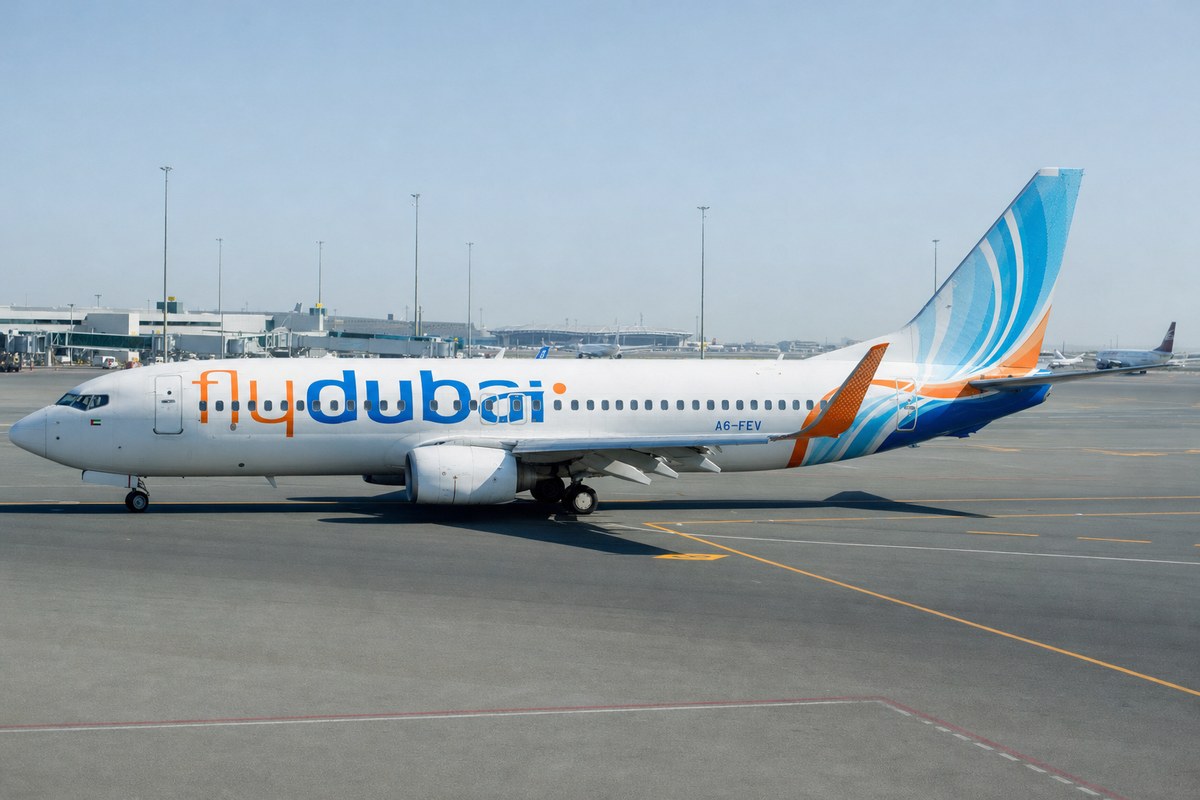
The arrests came as UAE authorities widened their investigation into the September 30 incident. Co-pilot Hammam al-Hammami, a 29-year-old Omani national, is accused of attacking Indian Captain Smit Machchhar with an axe in an alleged attempt to take control of the aircraft and carry out a terrorist attack. The Male-based newspaper Mihaaru wrote that the two Maldivian pilots are believed to have interacted with al-Hammami at work and lived in the same building as him. Authorities have not disclosed the nature of their alleged links or the evidence against them.
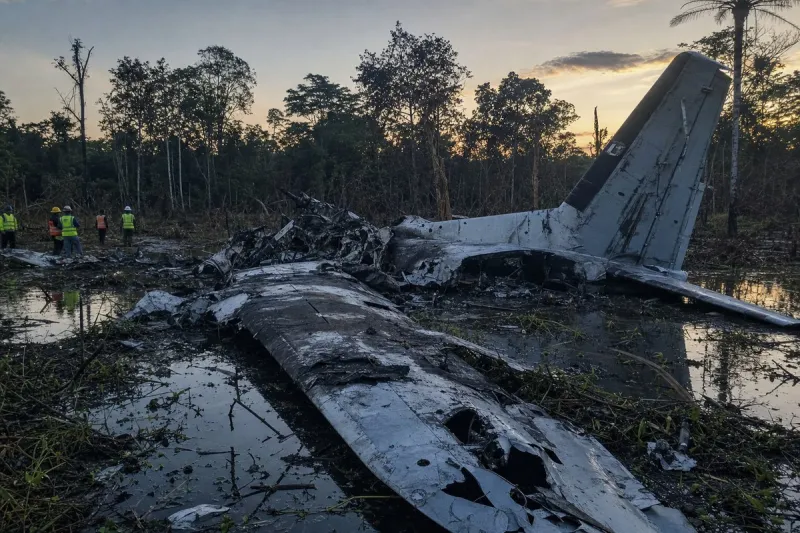
Flight FZ1073 was carrying 174 passengers and crew. Machchhar was seriously injured but resisted the attacker and unlocked the cockpit door, which allowed crew members and passengers to overpower the co-pilot and help stabilise the aircraft. It made an emergency landing at Tabuk airport in Saudi Arabia.
The UAE has described the incident as an attempted terrorist attack, said al-Hammami was suspected of supporting extremist ideologies, and said Omani authorities had previously barred him from obtaining a pilot's licence. An investigation is examining how flydubai recruited him despite the reported restriction, as well as the motive. The UAE Attorney General said a comprehensive investigation is being conducted with regional security agencies to determine whether the accused had links with other individuals or groups.
India's National Investigation Agency last week registered a case under the Anti-Hijacking Act and the Unlawful Activities (Prevention) Act to probe the larger conspiracy. India's Ministry of External Affairs said Machchhar was responding well to treatment following an operation at a hospital in Abu Dhabi, and the Indian Embassy in the UAE remains in regular contact with his family, doctors, hospital officials and local authorities.
Industry impact & what to watch
An incident that began as a single cockpit assault is now being examined as a possible network, with a UAE investigation running alongside an Indian case under anti-hijacking and anti-terror law. For airlines, that shifts attention from the moment of the attack to the steps before it: how a crew member with a reported licensing restriction in his home country came to be hired, and what colleagues knew or did not know. Pilot recruitment, background screening and the sharing of licensing history between states are the points where an inquiry like this tends to press.
Cross-border crews add a further layer. Pilots from several countries who work and live side by side fall under several jurisdictions at once, so a single inquiry draws in the UAE, Oman, India and the Maldives, as this one already does. Operators that employ mixed-nationality flight crews should expect questions about vetting records to be asked by more than one authority.
The next fixed points are the ones the authorities themselves have named. The UAE Attorney General's regional inquiry into possible links with other individuals or groups is still open, and so is the examination of flydubai's recruitment of al-Hammami. Until the UAE releases the allegations against the two Maldivian pilots, their status stays an open question.