Canada warns citizens against travel to parts of Saudi Arabia after Riyadh airport strike kills 12
Why It MattersRepeated strikes on Saudi airports show how quickly regional carriers and hub airports can face closures, diversions and insurer and advisory responses that ripple across international schedules.
What happened
The Embassy of Canada in Saudi Arabia updated its travel advisory on Sunday, October 11, 2026, warning citizens against travel to King Khalid International Airport (RUH) in Riyadh, which remains closed after a missile strike killed at least 12 people and injured 309 others. The advisory also warns against travel to the southern provinces of Asir, Jazan and Najran because of the risk of missile and drone attacks and falling military debris, and it advises against non-essential travel to and from all Saudi airports, including Dammam and Jeddah, citing possible sudden airspace restrictions, closures and flight disruptions.
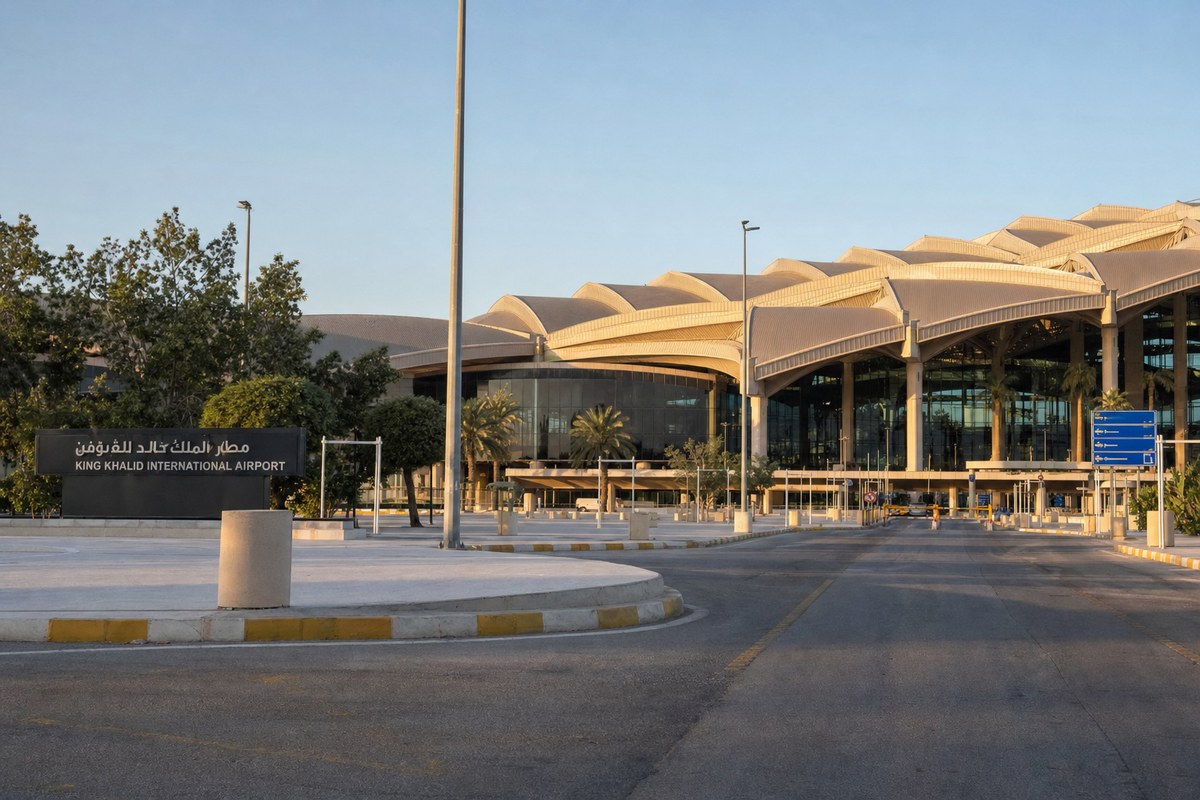
Saudi authorities said the strike, described as the deadliest in a series of attacks on Saudi airports attributed to Yemen's Iran-backed Houthi forces, struck a passenger terminal. Those killed included four Saudi citizens, two Bangladeshis, and nationals from the United States, Egypt, Jordan, Syria, Palestine and Sudan. At least 309 people were injured, some critically, and airport operations were suspended with widespread flight cancellations and diversions. Earlier attacks between October 6 and 9 killed several people, including three Saudi nationals in one strike on Riyadh airport, and damaged a Saudia aircraft. The Houthis claimed responsibility for some of the attacks, and Saudi authorities and the Saudi-led coalition condemned the Saturday strike as a "full-fledged war crime" targeting civilians.
Canadian Prime Minister Mark Carney condemned the attacks on civilian infrastructure, saying there was no justification for targeting civilians. Canada has urged travellers in Saudi Arabia to monitor local media, confirm flight information directly with airlines, follow instructions from local authorities, and move away immediately and contact authorities if they encounter military debris. The advisory also encourages Canadians in the country to register with the Registration of Canadians Abroad service and remain prepared to shelter in place if directed. The United States, United Kingdom, Australia and other governments have issued similar warnings.
Industry impact & what to watch
This case joins a sequence of strikes on Saudi airport infrastructure since October 6, each prompting closures, diversions and traveler advisories that compound rather than resolve as attacks continue. When a major hub like King Khalid International Airport closes, airlines operating into Riyadh must reroute or cancel flights with little notice, and nearby airports such as Dammam and Jeddah absorb added caution even without direct damage, since carriers and advisories tend to treat the wider airspace as uncertain rather than isolate risk to one airport.
Travel advisories from multiple governments, including the United States, United Kingdom and Australia alongside Canada, signal how quickly aligned risk assessments can cluster once one strike kills a double-digit number of people, reshaping demand and insurance calculations for carriers and ground handlers across the region.
What happens next depends on whether the airport reopens and under what security conditions, and on whether further strikes extend the advisory zone beyond Asir, Jazan and Najran. Airlines and insurers will be watching Saudi authorities' own statements on when operations at King Khalid International Airport resume.