Houthi Missile Strike on Riyadh Airport Triggers 671 Cancellations and 3,479 Delays Across Asia-Middle East Aviation Network
Why It MattersThe episode shows how a single security event at one hub propagates through rotational long-haul scheduling, converting a localized disruption into continent-wide cancellations and delays.
What happened
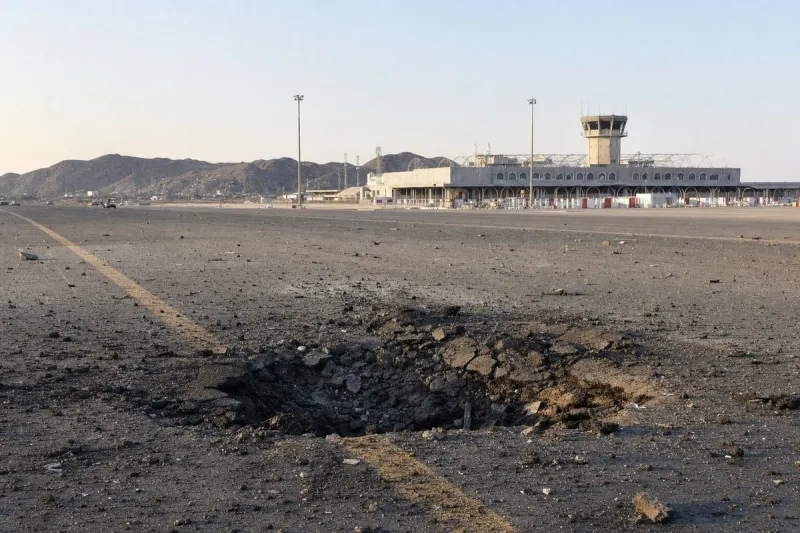
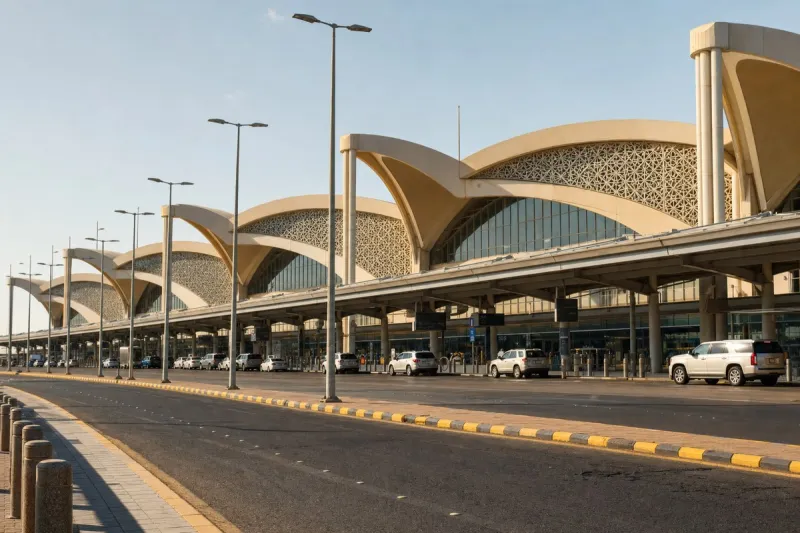
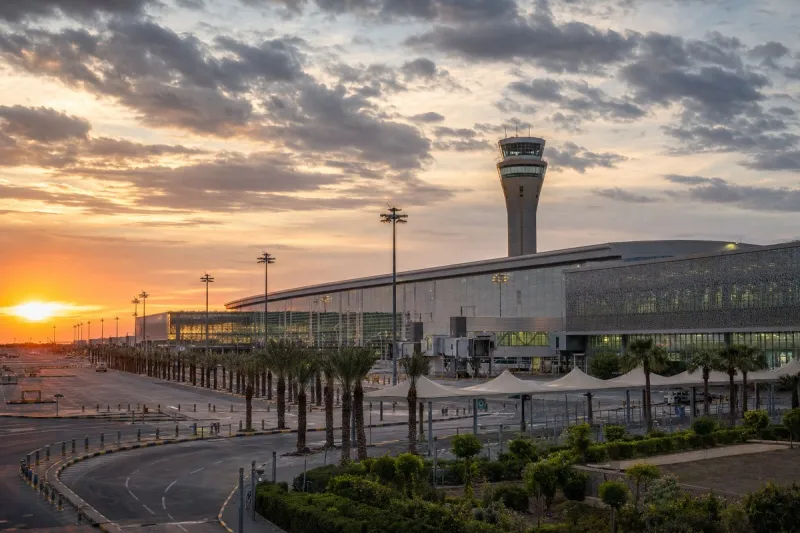
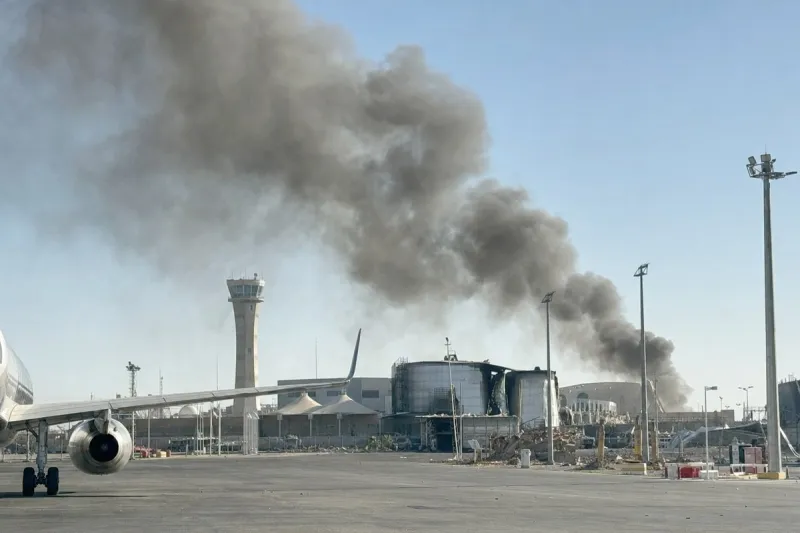
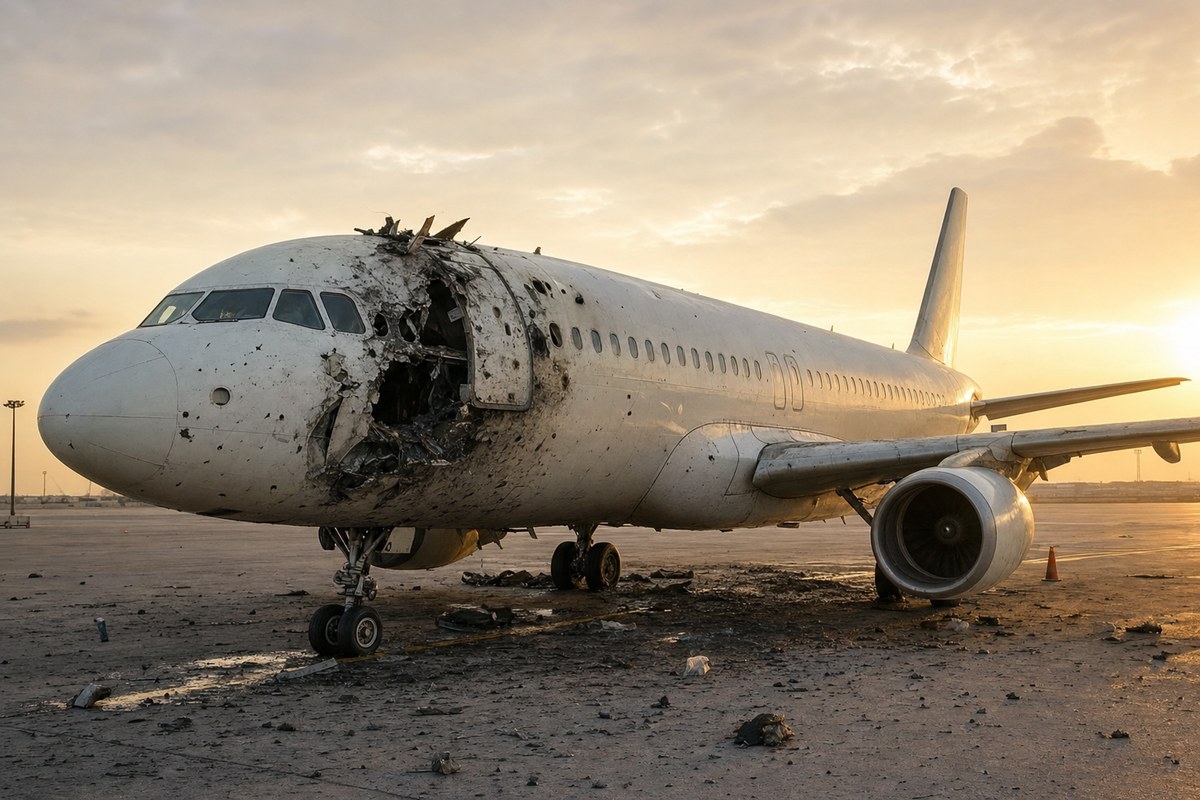
A Houthi missile strike hit King Khalid International Airport in Riyadh on October 8, 2026, killing three people, damaging a parked Saudia Airbus A320, and forcing the airport's temporary closure. FlightAware data captured on October 9, 2026 at 3:23 p.m. Eastern Time, and published at 01:19 GMT+5:30 on October 10, documented 671 flight cancellations and 3,479 delays across a network stretching from Istanbul to Jakarta, Guangzhou to Delhi, and Dubai to Doha — a total of 4,150 disruption instances.
King Khalid International Airport itself recorded 162 delays and 278 cancellations on October 9, with an origin cancellation rate of 29 percent and a destination cancellation rate of 40 percent, meaning four in ten aircraft scheduled to arrive at Riyadh did not. At the carrier level, Turkish Airlines recorded the highest absolute delay count in the region, 299 delays and 25 cancellations, driving Istanbul Airport to one of the highest delay totals of any transit hub. Emirates logged 113 delays and 20 cancellations, Qatar Airways recorded 102 delays and 10 cancellations, and China Eastern registered 106 cancellations and 259 delays across Asia in the same data set.
Among individual airports, Jakarta Soekarno-Hatta International (CGK) recorded the highest delay total in the Asia-Pacific region with 294 delays and 15 cancellations. Shanghai Pudong International (PVG) recorded 165 delays and 10 cancellations, and Hamad International in Doha (DOH) recorded 115 delays and 10 cancellations. The European Union Aviation Safety Agency renewed its conflict-zone advisory covering Gulf airspace on October 9, covering airspace associated with the UAE, Qatar, Bahrain, Kuwait, and Oman, and requiring heightened safety assessment protocols, route alterations, and in some cases increased fuel loads for longer routings around advisory zones.
Industry impact & what to watch
This case illustrates how tightly long-haul scheduling is rotationally linked: an aircraft or crew delayed at one hub carries that delay into its next leg, and the next, until a single closure at one airport shows up as thousands of disruption instances spread across unrelated carriers and continents. Riyadh's 40 percent destination cancellation rate is the proximate cause, but the 4,150-instance total reflects how few spare aircraft, crews, and slots the network holds in reserve to absorb a shock at any single node.
The EASA advisory adds a separate, slower-moving layer of friction on top of the schedule disruption. Route alterations and added fuel loads around Gulf airspace raise block times and costs for carriers that keep flying through or near the region, independent of whether any individual flight is cancelled, and that cost structure persists for as long as the advisory stays in force.
What happens next depends on how quickly Riyadh restores normal throughput and on whether EASA narrows or extends the advisory's geographic scope. Carrier-level recovery will show up first in whether Turkish Airlines, Emirates, and Qatar Airways can rebuild their delay counts back toward pre-October 9 levels, and in whether Jakarta and Shanghai's secondary-hub delay totals subside once the originating disruption at Riyadh clears.