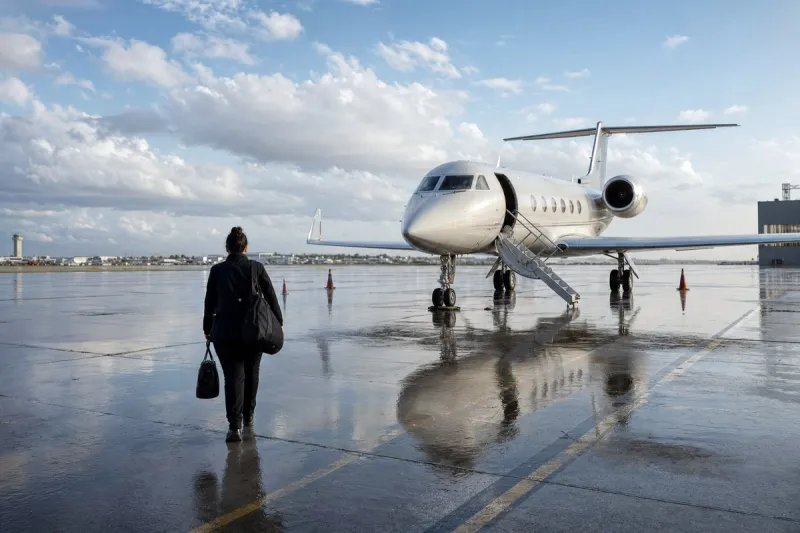
Former COO Calls for Stronger Cockpit Security and Pilot Re-Verification After Flydubai Incident
Why It MattersThe response shows airlines leaning on layered checks, from random substance testing to duty-time limits, because single-point security measures alone cannot cover emerging crew and route risks.
What happened
V George, a retired aviation professional who served as Chief Operations Officer at Deccan Charters, has called for stronger cockpit security measures, regular background checks, and periodic re-verification of pilots following the Flydubai cockpit incident. George described the incident as a warning about the limitations of modern aviation security, stressing that even robust cockpit security procedures require constant review and adaptation to address emerging risks.
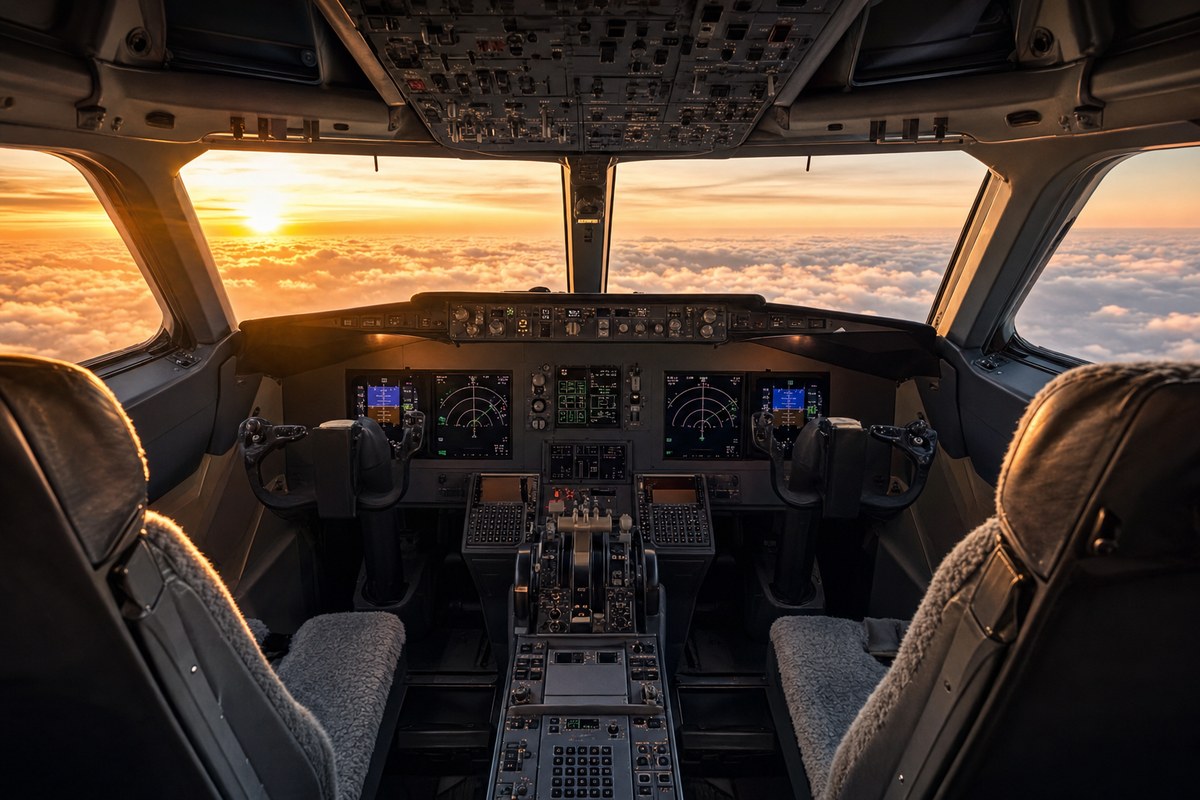
Addressing recent cases of pilots testing positive for banned substances or delaying mandatory alcohol tests, George said stricter random testing, zero tolerance for deliberate non-compliance, and stronger accountability are essential, and that fitness for duty must remain non-negotiable, with pilots expected to meet the highest standards of health, discipline, and professional responsibility. He also raised concerns over longer flight routes resulting from airspace restrictions, warning that extended routes increase fatigue, workload, and stress on crew, and said airlines must closely monitor Flight Duty Time Limitations compliance, roster design, and adequate rest, and ensure crew augmentation wherever required.
On pilot sentiment following the incident, George said it has generated more awareness than fear, and called for better sharing of security information across agencies and airlines. On India's aviation safety framework, he said he would like to see a truly independent and transparent safety reporting system allowing pilots to report fatigue, operational pressure, safety violations, or security concerns directly to an independent body, without risk to their licence, career, or professional standing.
Industry impact & what to watch
An incident involving cockpit security tends to trigger the same cycle across the industry: a call for tighter procedures, scrutiny of crew fitness-for-duty testing, and a look at whether operational pressures elsewhere in the system are compounding the risk. George's comments tie several of these strands together rather than treating the cockpit event in isolation.
Flight duty time limitations, rostering, and crew augmentation exist precisely because longer routes driven by airspace restrictions add fatigue that compounds other risks, including lapses in security discipline or compliance with substance testing. An airline's safety margin in this sense is not just the cockpit door procedure itself but the whole chain of rest, workload monitoring, and testing integrity feeding into who is on the flight deck and in what condition.
What happens next depends on whether airlines and regulators move from individual commentary to structural change, particularly on an independent reporting channel that would let pilots flag fatigue, pressure, or security concerns without career risk. Whether such a body is established, and how airlines adjust random testing and crew augmentation policies in response to the incident, will indicate whether this moment produces lasting change or another cycle of statements.