FAA Proposes AD Requiring New Cabin Pressure Control Software on ATR42-500 and ATR72-212A Aircraft
Why It MattersA software-level pressure-control fault is being handled through a mandated software swap rather than hardware replacement, which keeps downtime and cost low for the small fleet of affected turboprop operators.
The U.S. Federal Aviation Administration has proposed a new airworthiness directive covering all ATR-GIE Avions de Transport Régional ATR42-500 and ATR72-212A airplanes. The notice of proposed rulemaking is scheduled for publication in the Federal Register on 2026-11-23 under Docket No. FAA-2026-13823, and the FAA invites written comments on it.
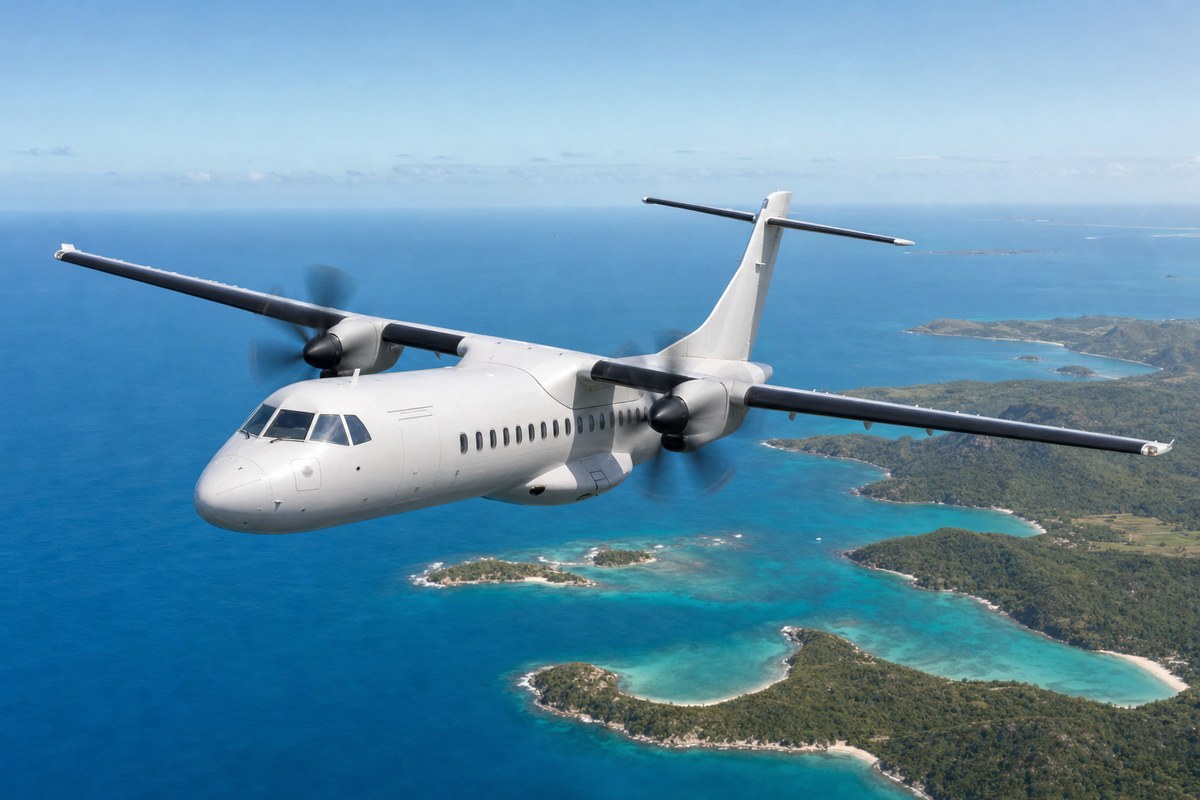
The proposal was prompted by two in-service events during takeoff in which an internal failure of the integrated air system control (IASC) software analog-to-digital converter generated erroneous pressure digital values. This led to uncommanded full-speed closure of the outflow valve and a high negative cabin altitude rate. If not corrected, the condition could cause excessive cabin altitude rate with potential adverse physiological effects on passengers and crew.
The FAA's proposal is based on EASA AD 2026-0038, dated February 26, 2026, which calls for installing improved IASC software 5.0, part number 71236A010401 or later-approved software. It replaces IASC SW 3.1 (P/N 71236A010201) on certain ATR72-212A airplanes, and IASC SW 4.0 (P/N 71236A010301) on certain ATR42-500 and certain other ATR72-212A airplanes. The proposed AD would also prohibit installation of affected software under certain conditions.
The FAA estimates the AD would affect 20 airplanes of U.S. registry. Costs are put at up to 2 work-hours at $85 per hour ($170) in labor plus up to $50,000 in parts, or up to $50,170 per airplane and up to $1,003,400 for U.S. operators. According to the manufacturer, some or all of these costs may be covered under warranty.