Senator Moran Says ADS-B In Mandate May Slip Past This Year as Military Provisions Remain Unresolved
Why It MattersUnresolved military carve-outs show that a civil avionics mandate in contested airspace depends on defense-agency buy-in, so equipage timelines are set by legislative bargaining rather than by NTSB findings alone.
What happened
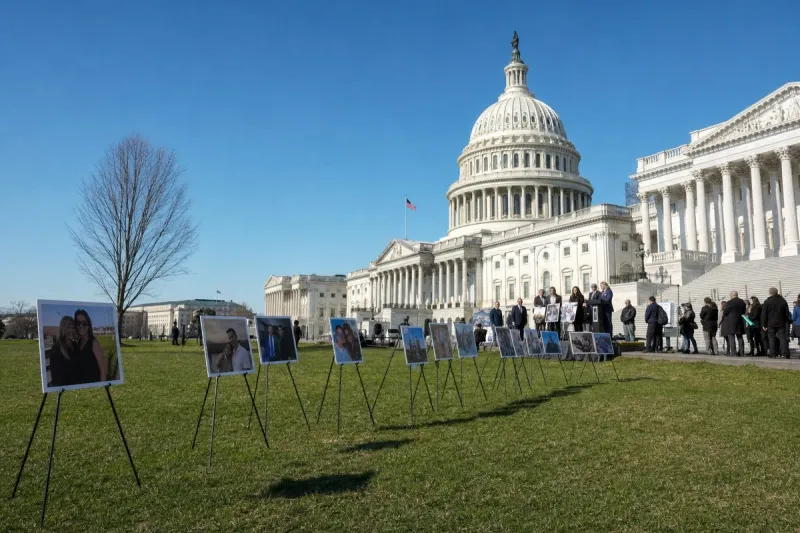
Senator Jerry Moran, who chairs the Senate committee that oversees aviation and sits on the chamber's appropriations committee, said Thursday he would not be surprised if Congress fails to pass aviation safety legislation requiring broader ADS-B equipage this year. His remark came two days after Senator Ted Cruz (R-Texas), chair of the Senate Committee on Commerce, Science, and Transportation, said Congress was "very, very close" to finalizing a mandate that all flights required to broadcast ADS-B Out also be equipped with ADS-B In.

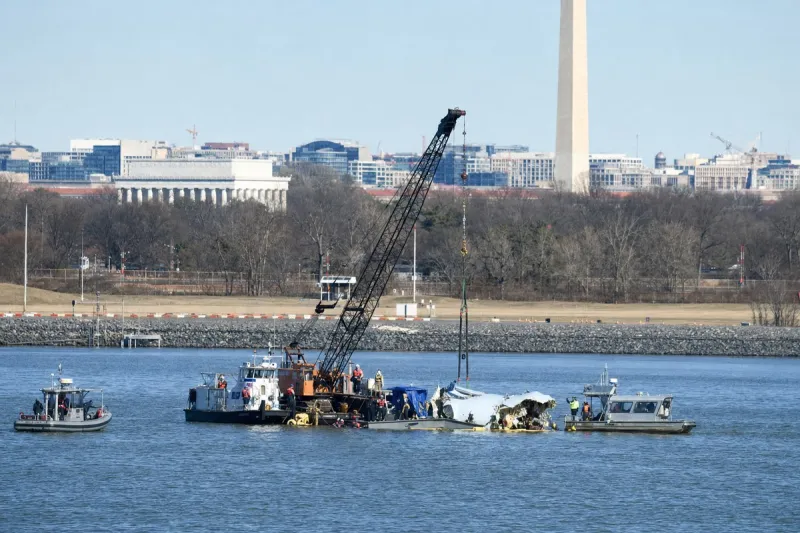
Lawmakers have debated for most of a year how far ADS-B In should be required. The Senate-approved ROTOR Act and the House-passed ALERT Act contain different language. Unlike the ROTOR Act, the ALERT Act would not mandate ADS-B In for all military aircraft flying in airspace that requires ADS-B Out. Critics contend ALERT falls short of some of the 50 safety recommendations the NTSB made after the fatal January 2025 midair collision between a U.S. Army helicopter and a commercial passenger jet near Ronald Reagan Washington National Airport (KDCA). The Army helicopter was not broadcasting ADS-B.
"I think we're headed in a direction that gets this done by the end of the year," Moran said of the ROTOR Act's ADS-B provisions, adding that failure to do so would not be a shock. He said Cruz's comment about the House Armed Services Committee suggests the Department of Defense is engaged on the issue, and that the department's stance on curtailing its use of airspace near KDCA has posed challenges to the legislation.
The Army's investigative report, released in October, identified "breakdowns across all layers of conflict management" and also assigned some blame to the FAA and air traffic control. NTSB Chairwoman Jennifer Homendy noted that 47 of the board's 50 recommendations remain open. The NTSB said earlier this year that the FAA's responses to 11 of its 33 recommendations for the agency, including on ADS-B In, were "unacceptable."
A report published Wednesday by the National Academies of Sciences, Engineering, and Medicine found that certain safety hazards the FAA and Army failed to adequately assess before the accident persist almost two years later.
Industry impact & what to watch
The disagreement is narrow but consequential: both chambers have passed a version of an ADS-B In requirement, and the gap is whether military aircraft operating in ADS-B Out airspace are covered. In a mixed civil-military environment like the one around KDCA, a mandate that binds airlines and general aviation but exempts some military flights addresses only part of the traffic picture, which is the core of the critics' objection to the ALERT Act.
For operators, avionics shops and equipment makers, the practical effect is timing uncertainty. A requirement that every aircraft already needing ADS-B Out also carry ADS-B In would widen the installed base of receiving equipment, but the scope, and therefore the scale of retrofit demand, stays unsettled while the two bills differ. Equipage planning tied to a legislative outcome tends to stall until the text is final.
The items that would settle the question are specific: the House Armed Services Committee's position, the Department of Defense's stance on its airspace use near KDCA, and whether the final language reconciles the ROTOR and ALERT texts. Moran's own read is that a year-end deal remains the direction of travel, with a miss possible.