Riyadh Hotel RevPAR Falls 65.1% to $65 in October After King Khalid International Airport Attack and Closure
Why It MattersPeak-season destination economics depend on a single gateway staying open; when airlift, events and foreign carrier schedules fail together, the hit lands on demand volume first and rate second.
What happened
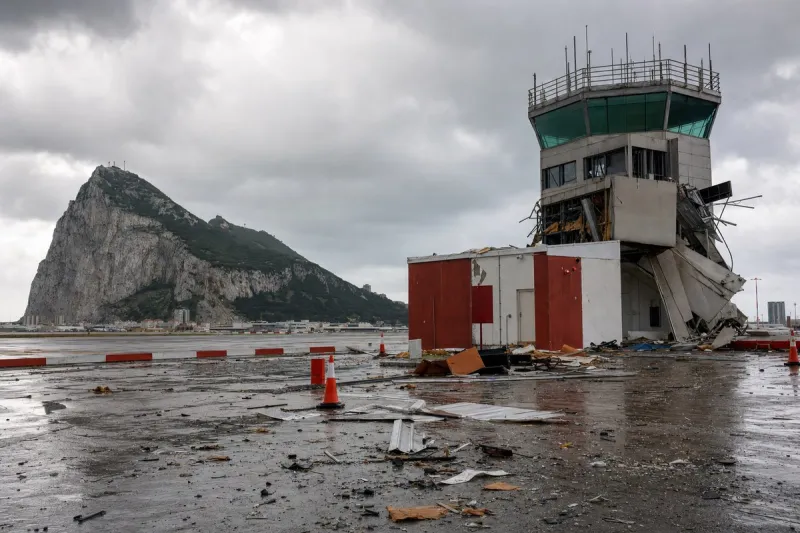
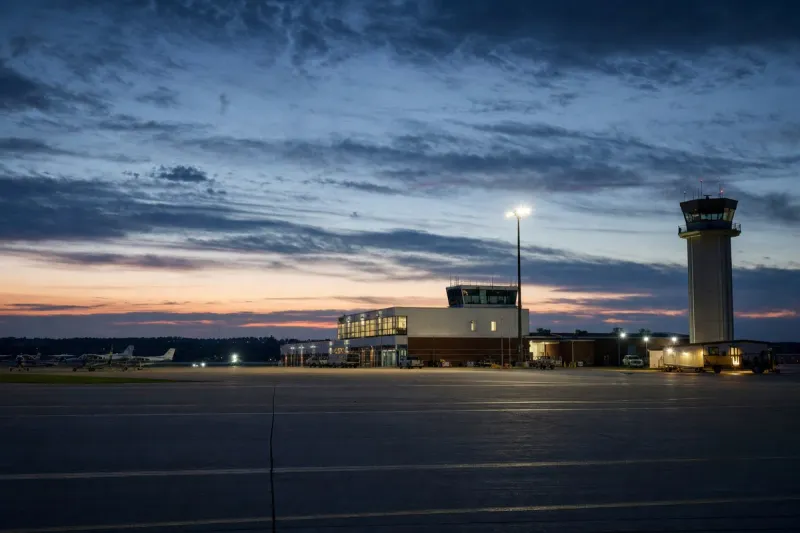
An attack on King Khalid International Airport on Oct. 10 shut Riyadh's main gateway at the start of the city's peak season. Hotels in the Saudi capital recorded one of their worst months of the year in October, according to CoStar's STR. Occupancy fell 34.7 percentage points year over year to 34.3% from 69%. Only March had lower occupancy, at 28.3%.
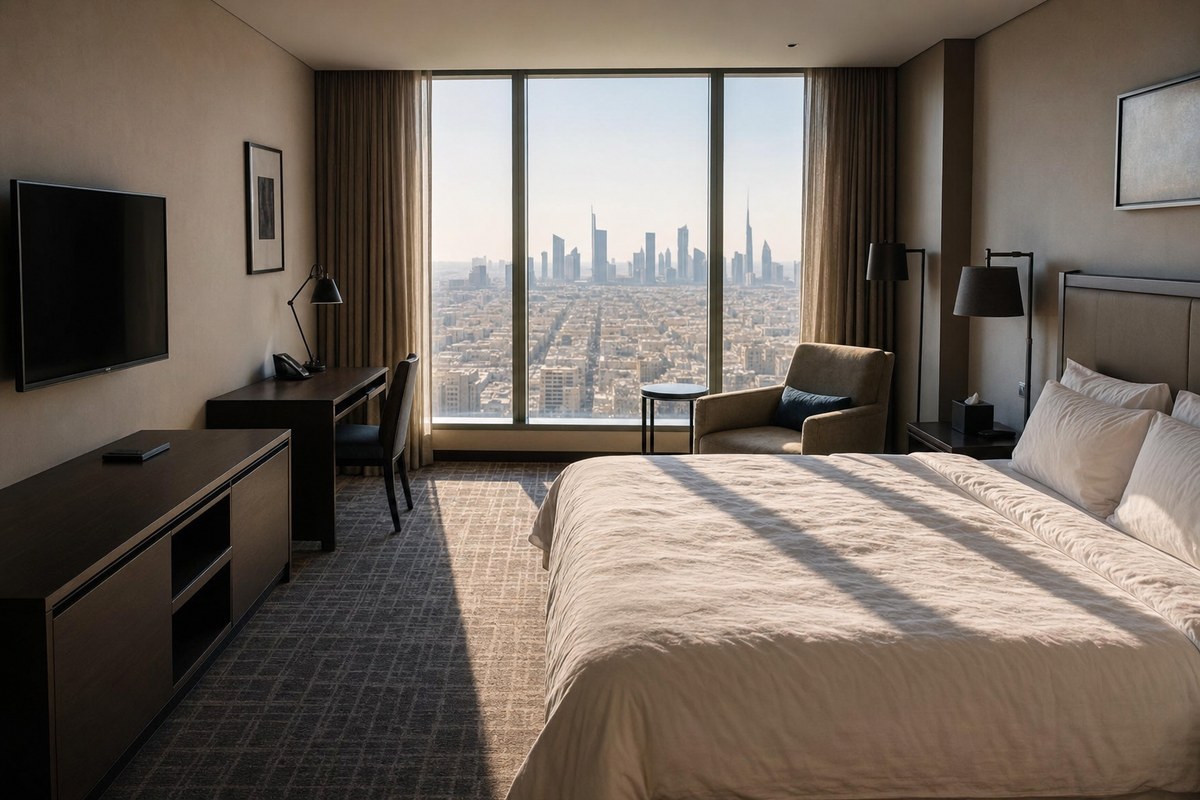
Average daily rate dropped 29.9% to $190, and revenue per available room (RevPAR) fell 65.1% to $65. Kostas Nikolaidis, associate account director for Middle East and Africa at STR, said October and November are usually Riyadh's peak season months.
Saudi authorities said the Oct. 10 attack killed 13 people and injured more than 300. Cirium data show 86% of scheduled Riyadh departures were canceled between Oct. 8 and late October. Most foreign carriers remain suspended: Etihad and IndiGo through Nov. 30, British Airways to Jan. 11, 2027, and Cathay Pacific through Jan. 31, 2027. Delta has pushed its Atlanta–Riyadh launch to March 2027. Saudi carriers have shifted flights to Al Qassim airport, a 4.5-hour drive from the capital, and bus passengers into Riyadh.
Attacks have continued: a Houthi missile or debris struck the Public Investment Fund tower, the second landmark hit in Riyadh's financial district in two weeks. The city's events calendar has already lost the Saudi Grand Prix, the Future Investment Initiative and the Red Sea International Film Festival.
Dubai comparison
Dubai held up better over the same month. Its occupancy was 68.4%, down 16.5 points, and RevPAR fell 42% to $124, nearly double Riyadh's.
Within Dubai, luxury hotels held rates but lost the most occupancy, while upper midscale and midscale properties cut rates the most to stay full.
Industry impact & what to watch
Riyadh's October shows how a gateway city's hotel performance is tied to its airport. Occupancy fell harder than rate, which is the pattern when demand disappears because people cannot arrive rather than because they find the product too expensive. Roughly 86% of scheduled departures canceled, a lost events calendar and suspended foreign carriers all removed demand at once, during the weeks the market normally earns most of its annual margin.
The Dubai figures show how the damage was distributed regionally. Dubai lost occupancy and RevPAR too, but at a much smaller scale, and its segments responded differently: luxury protected rate and absorbed the volume loss, while midscale properties traded rate for occupancy. For business aviation, a closed or degraded main airport typically pushes traffic toward alternate airfields and ground transfers, as the shift of Saudi carriers to Al Qassim illustrates, adding hours of travel to the final leg.
The next markers are dated ones: the Nov. 30 end of the Etihad and IndiGo suspensions, then British Airways' Jan. 11, 2027 and Cathay Pacific's Jan. 31, 2027 return dates. Delta's Atlanta–Riyadh launch now sits at March 2027.