Middle East Airspace Closures Force Business Aviation Operators to Rework Routes, Fuel and Permits
Why It MattersAirspace closures turn route choice into a whole-mission problem, so access to current operational information, permits and flexible planning increasingly separates operators that absorb a closure from those that cannot.
What happened
Business aviation operators flying through the Middle East can find planned routes suddenly unavailable when conflict, political tension or safety concerns lead to airspace restrictions. UAS describes a closure as more than a navigation problem: operators must decide which alternative route is safe and operationally viable, and whether the revised journey can operate through the airspace needed to reach its destination.
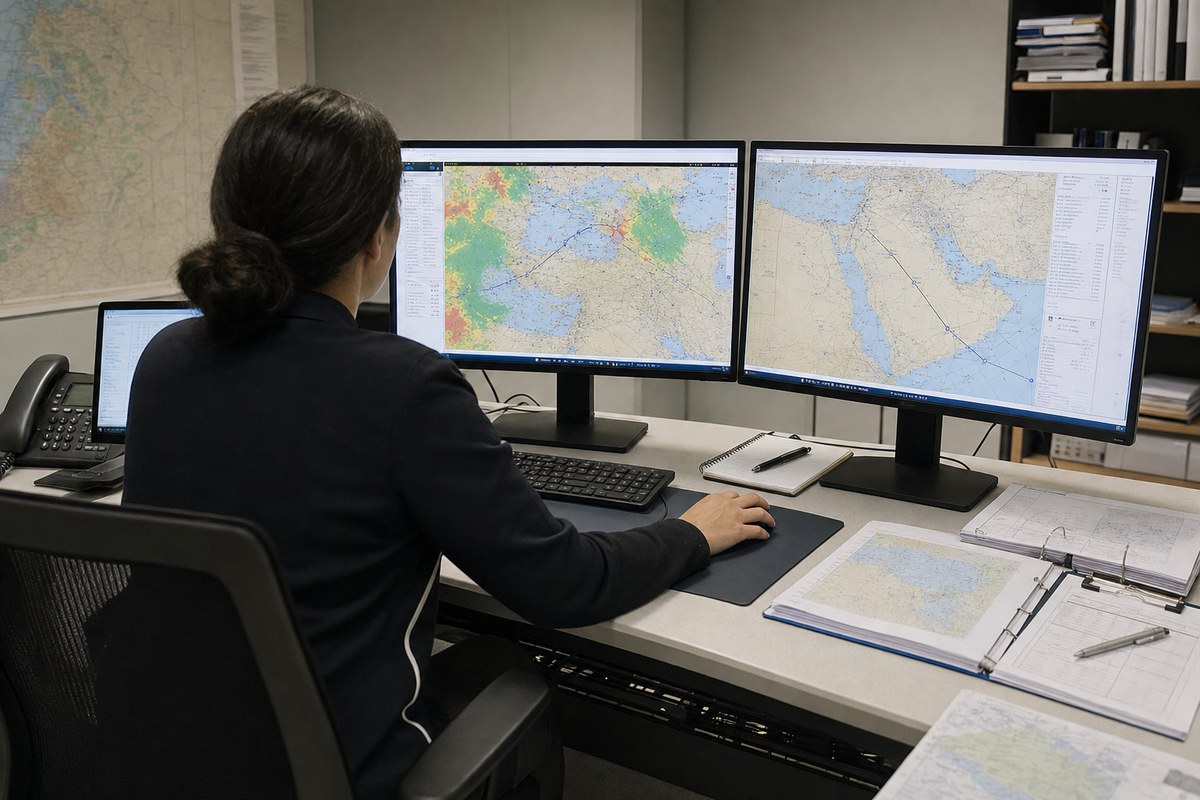
Route selection depends on weather, winds, aircraft performance, fuel requirements, diversion airports, airspace crossing charges, available routes and other restrictions. The geographically shortest option does not necessarily give the best flight time once winds and operating conditions are considered, and the size of the detour depends on how much of the original trajectory crossed the restricted airspace.
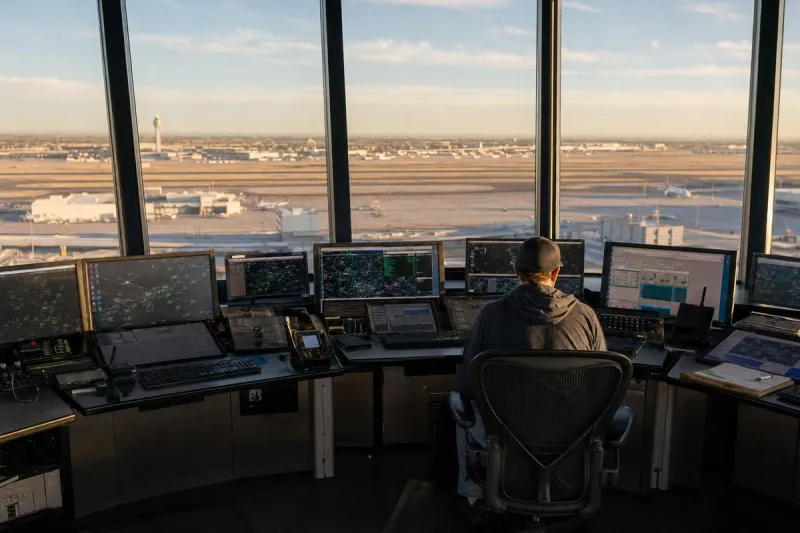
A continuing closure can be built into preflight planning, while a sudden escalation can arrive after the route has been prepared or the aircraft is already airborne. Contingency plans therefore need to cover alternative airspace availability, fuel implications and possible diversion points, new restrictions, regulatory requirements and current operational information.
UAS says its trip support, which covers flight planning, permits, flight monitoring, fuel services and ground support, treats rerouting at the whole-mission level and keeps the flight plan adaptable as conditions change.
Corridors, permits and fuel
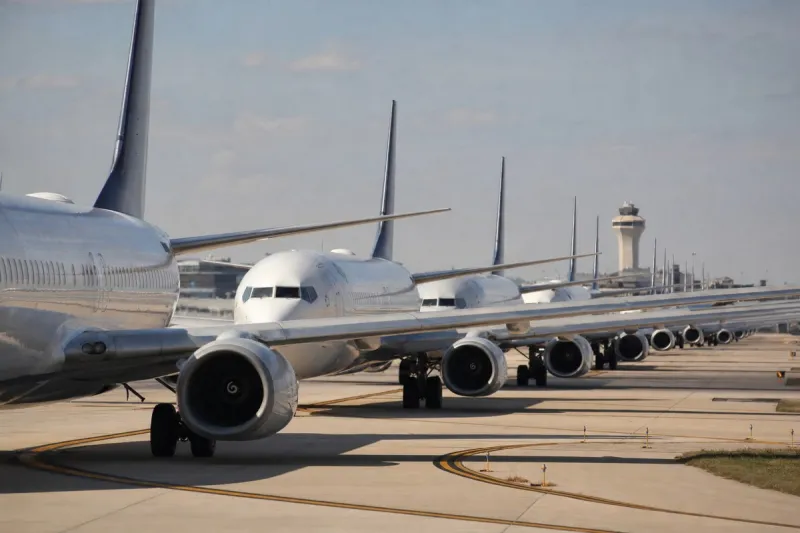
Rerouting can create bottlenecks, because traffic displaced from one area is pushed toward fewer available corridors. The Qatar Gulf crisis is cited as an example: restrictions on access to neighbouring airspace affected established routings and concentrated traffic on fewer corridors. An open corridor is therefore not automatically an uncomplicated one, particularly when many operators respond to the same closure.
An international reroute can also change the regulatory picture, since avoiding one state's airspace may place the aircraft in another state's airspace under different rules. A technically suitable route may still require authorisation, so overflight and landing permits, country-specific aircraft and documentation requirements, permit validity after schedule changes, and airport slots where applicable must be considered alongside the new routing.
Longer detours raise fuel consumption, though distance is not the only factor; winds, aircraft performance and diversion options also matter. Additional flight time can affect aircraft utilisation, crew arrangements and later flexibility in the mission.
Industry impact & what to watch
The pattern here is that a closure rarely stays a single-variable problem. Route, fuel, permits, slots and crew time are linked, so a change to one reprices the others. For long-range business aviation, that makes the planning unit the whole mission rather than the leg that crosses the restricted area.
Congestion adds a second layer. When many operators avoid the same airspace at once, the corridors that remain open carry more traffic, and the Qatar Gulf crisis shows how that can change established routings. The alternative that looks cleanest on a map may be the one everyone else is also choosing.
The practical test for any reroute is whether four things line up together: a safe and viable path, the permits and documentation for every state it touches, fuel and diversion options that still work, and a plan that can be changed again if conditions move. Operators and trip-support providers that can refresh restrictions and permit status quickly are the ones positioned to absorb a sudden escalation mid-flight.