Cessna 310K Damaged in Tennessee Taxiway Excursion After Left Throttle Bushing Failure
Why It MattersThe case shows how a single worn drive component in a piston twin's throttle linkage can defeat brakes and steering, putting linkage wear on the inspection agenda for ageing multi-engine fleets.
What happened
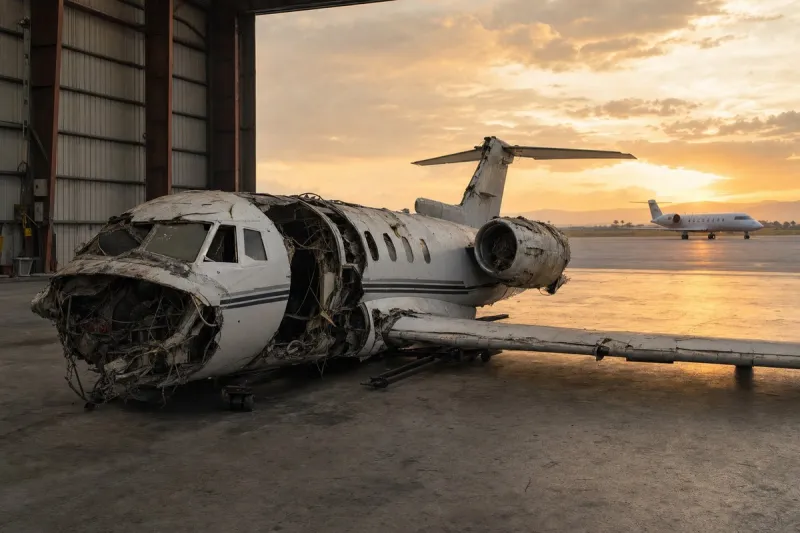
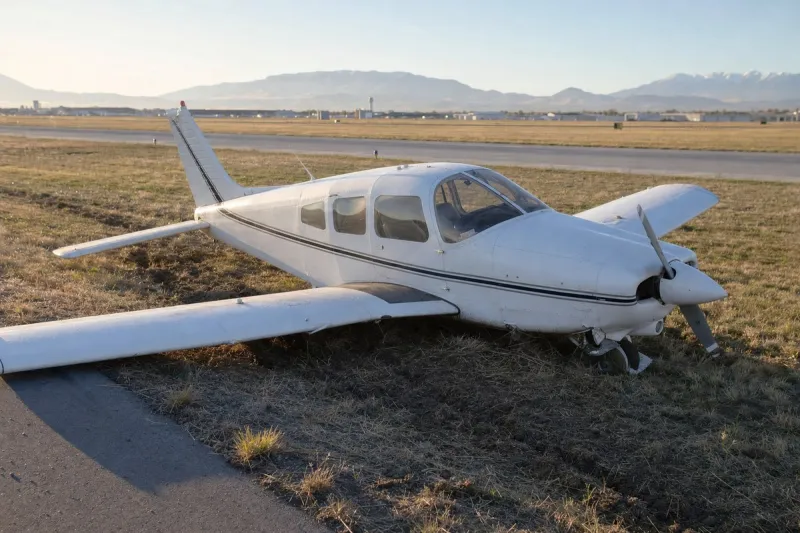
A Cessna 310K was substantially damaged in a taxiway excursion at the airport in Alcoa, Tennessee, after a throttle control component failed during taxi. The pilot told investigators that the approach and landing were normal.
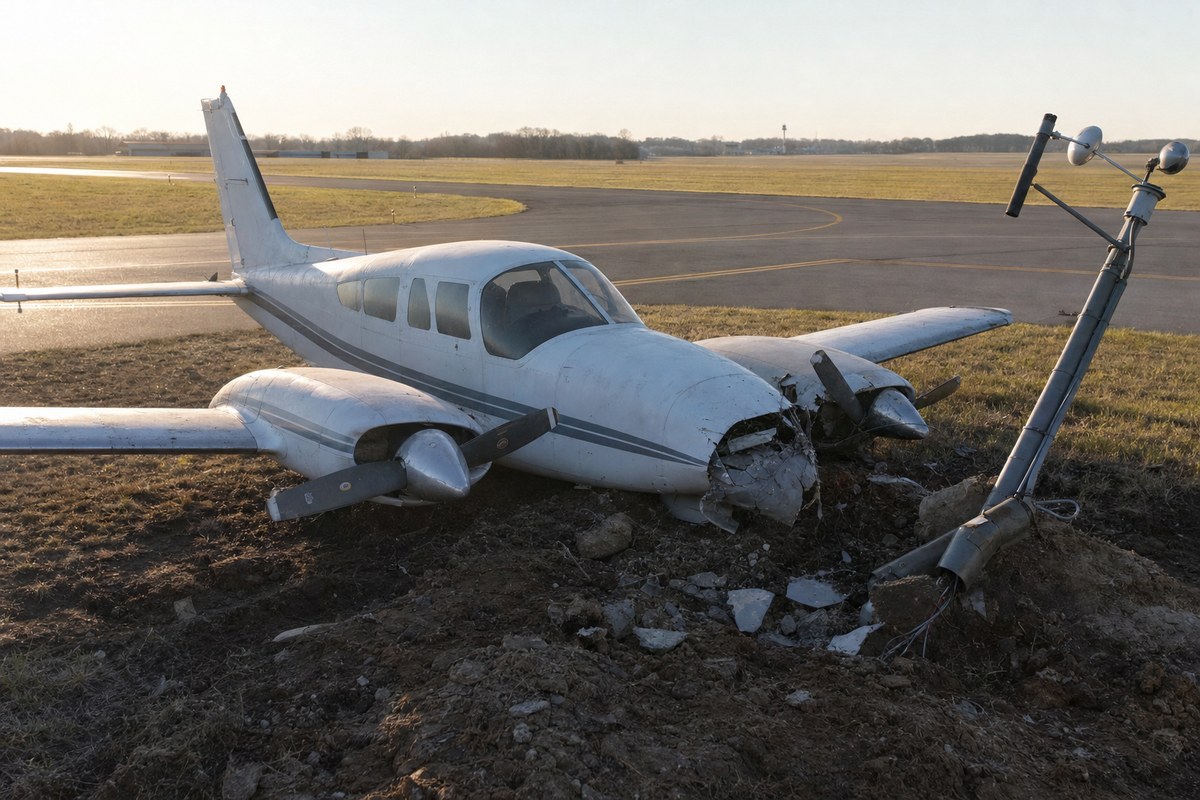
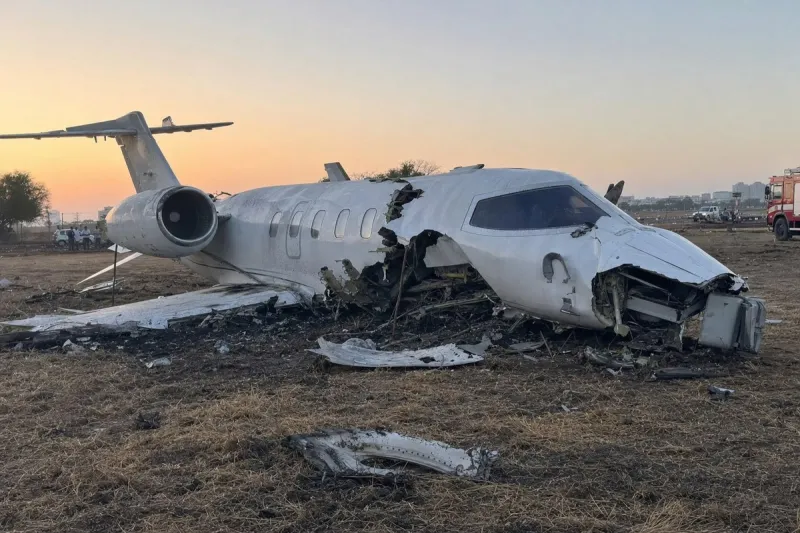
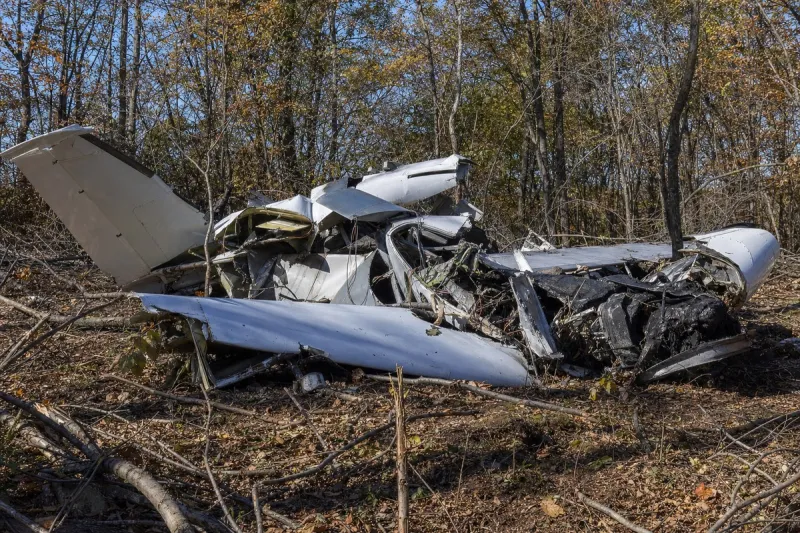
After the airplane exited the runway and while it was on a taxiway, it swerved to the right and seemed to accelerate. The pilot was unable to control braking and steering. The airplane departed the taxiway to the right, crossed a steep depression and collided with a wind sensor pole. The right wing and fuselage were substantially damaged.
Post-accident examination found that the brass splined bushing on the left engine throttle control shaft was stripped, which resulted in an uncontrollable, full power application to that engine. The wheel brakes were examined and no anomalies were found; during a test run the brakes held the airplane in place with the left engine at full power.
The National Transportation Safety Board determined the probable cause to be the failure of the left engine throttle control shaft bushing during taxi, resulting in a full asymmetric power condition and a taxiway excursion. The accident report is dated November 2024.
Industry impact & what to watch
The finding that the brakes held the airplane with the left engine at full power matters for how this event is read. The wheel brakes were not the weak point; a drive component upstream of the engine was. On a twin, full power on one engine produces a yawing, accelerating motion on the ground, and the pilot's reported loss of braking and steering control is consistent with that asymmetric condition rather than with a brake defect.
For owners and maintenance shops handling older piston twins, the segment-level takeaway is that throttle linkage hardware sits in the category of small, low-cost parts whose failure has outsized consequences on the ground. A splined bushing is easy to overlook in an inspection because it works until it does not, and the failure here came during an otherwise normal taxi after a normal landing.
The NTSB has closed its probable-cause determination on this event, so the open question for the segment is practical rather than procedural: whether inspection routines for throttle shaft bushings and splines on comparable aircraft are specific enough to catch wear before it strips.