UPS Boeing 767 Freighter and Copa Boeing 737 Collide While Taxiing at Miami International Airport
Why It MattersGround collisions between taxiing airliners show that crew workload during surface movement, such as late runway-change checklists, is a recurring exposure point that cargo and passenger carriers share at busy hubs.
What happened
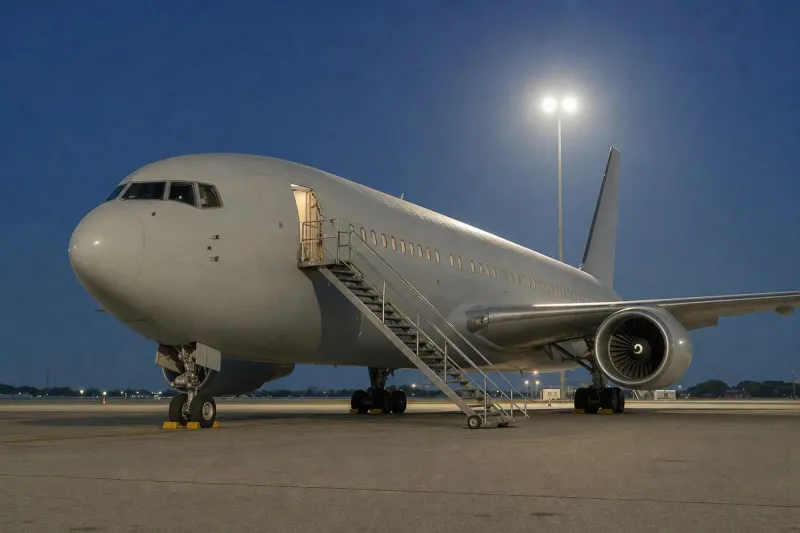
A UPS Airlines Boeing 767 freighter and a Copa Airlines Boeing 737 collided while taxiing at Miami International Airport (MIA) at about 9:15 PM local time on Saturday. The Federal Aviation Administration (FAA) said the left wingtip of the Copa 737 struck the nose of the UPS 767, and the collision happened at the intersection of two taxiways.
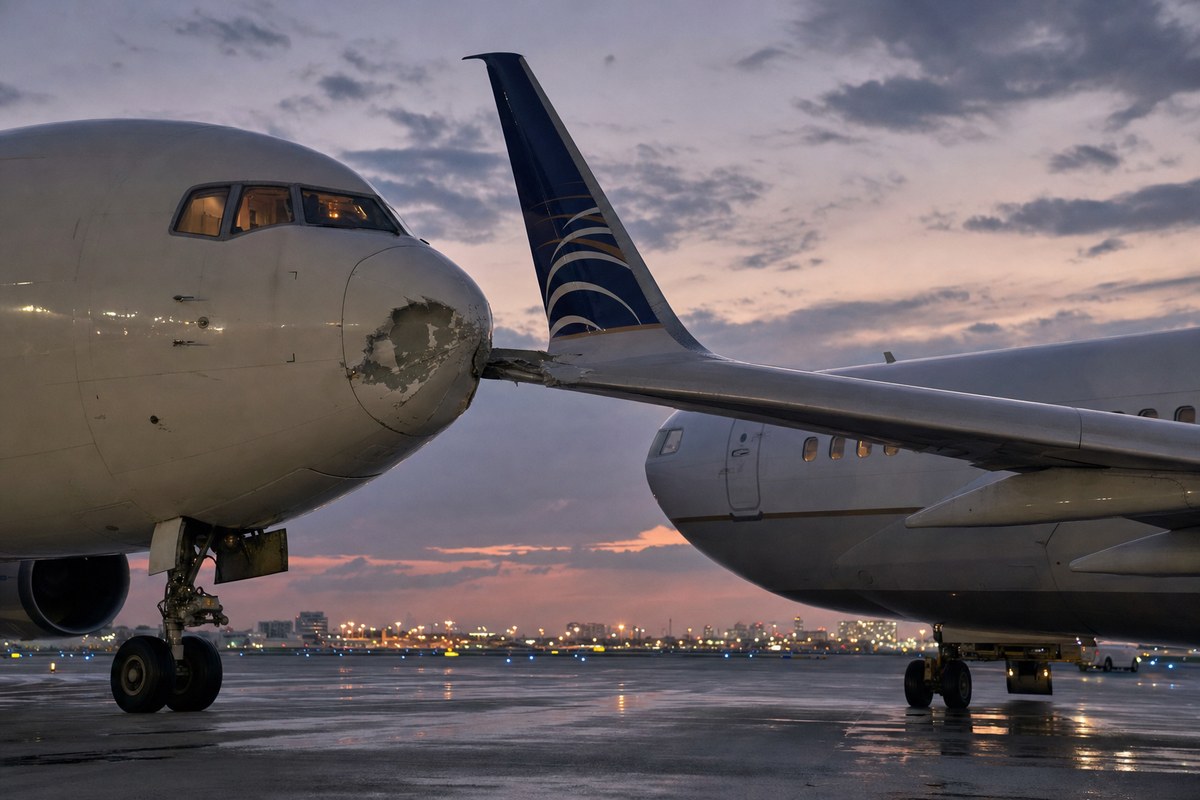
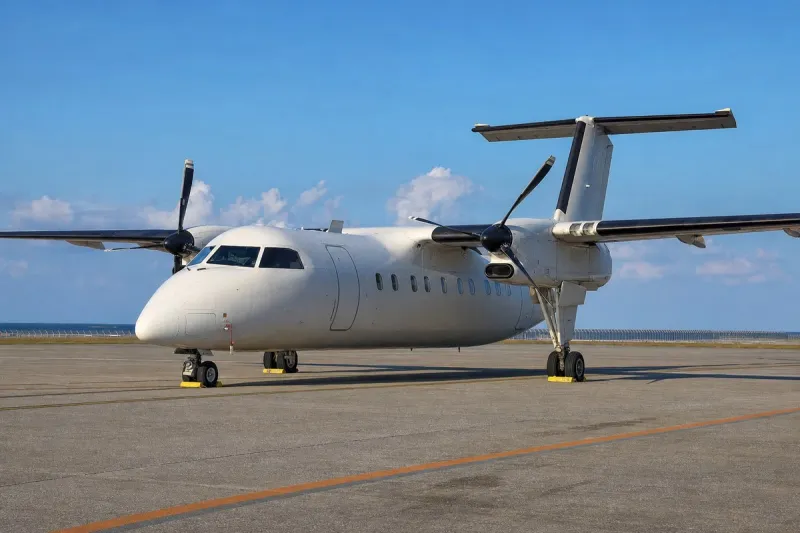
Copa Airlines flight 427, a Boeing 737-800, had just arrived from Tocumen International Airport (PTY) in Panama City. UPS flight 358, a Boeing 767-300F, was taxiing for departure to El Dorado International Airport (BOG) in Bogotá. The FAA confirmed that air traffic controllers had instructed the UPS crew to give way to the Copa flight. The 767 continued too far and moved into the 737's path, and both aircraft came to a stop on the taxiway.
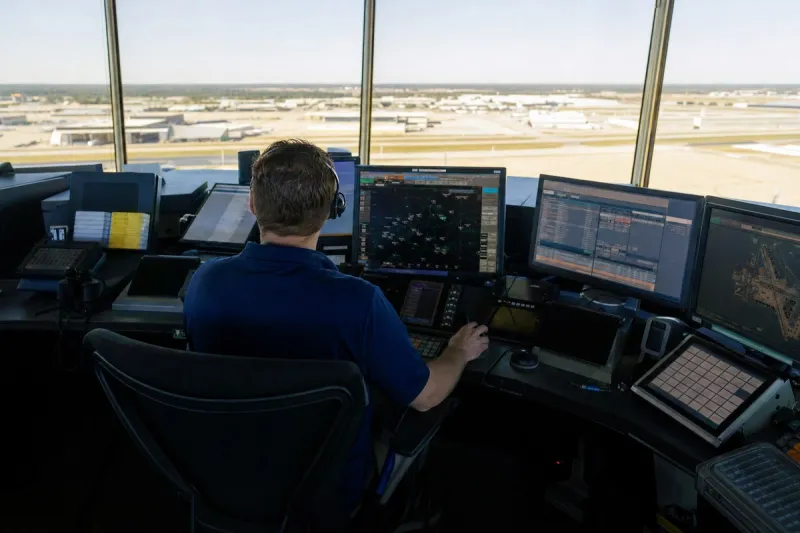
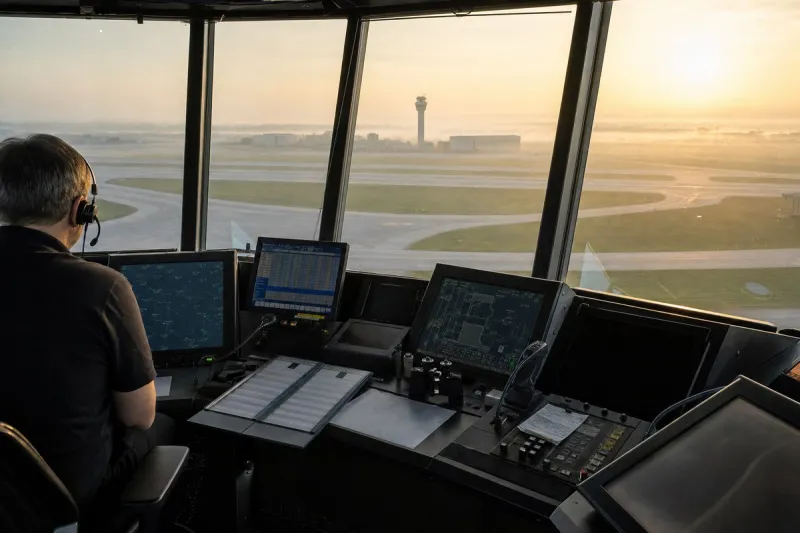
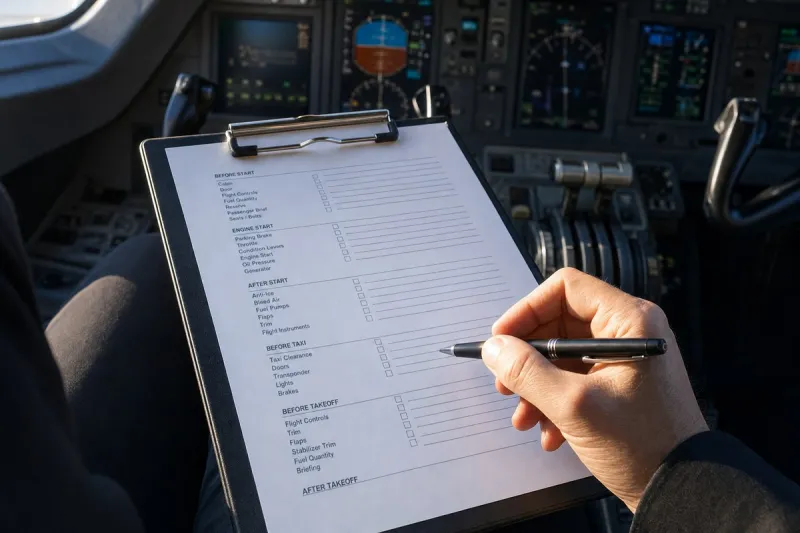
A recording of the radio exchange captured the Copa crew reporting, "Somebody hit us," after which the controller reminded UPS 358 that it was "supposed to give way." Asked whether it had hit the other aircraft, a UPS pilot answered, "Yeah, we went too far." The Copa pilot later reported, "It seems that we are missing the left wingtip." A UPS pilot also said during the exchange that the crew was in the middle of a checklist for a runway change, a task that can involve updating the flight management computer. The FAA's taxiing guidance recommends keeping cockpit workload to a minimum.
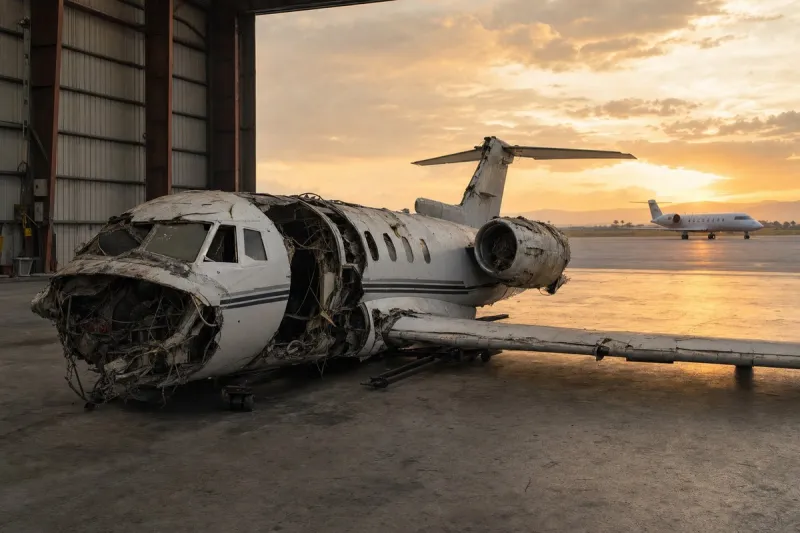
Two people were treated at the scene for minor injuries; neither required hospital transport. UPS said in a statement that its crew was safe and that it was committed to working with authorities to determine what happened. The extent of the damage has not been officially confirmed, although images on social media show significant damage to the 767's nose. The FAA has opened an investigation. The collision came a day after a rare nationwide ground stop halted US air travel.
Industry impact & what to watch
Taxiway collisions between aircraft that are both moving are a distinct category from runway incursions. They tend to happen where two taxiways meet and where a crew has been told to yield, so the outcome depends on whether the instruction is executed while the cockpit is also busy with other tasks. The radio exchange here points to that tension: a runway-change checklist was under way while the 767 was still moving, and the FAA's own guidance asks crews to keep workload low during taxi.
For freight and passenger operators sharing a large gateway like Miami, the practical significance is that a single surface event can take both a widebody freighter and a narrowbody airliner out of service at once. The damage assessment to the 767's nose and the 737's left wingtip will determine how long each aircraft is grounded, and neither has been officially confirmed.
The FAA investigation is the next milestone. Its findings on crew procedures, the timing of the runway-change checklist and the taxiway intersection involved will show whether this was an isolated lapse or points to a procedural issue worth addressing at other airports.