Fly4 Airlines, Enter Air and TUI Charter Joint Venture, Enters Provisional Liquidation in Ireland
Why It MattersFly4's collapse shows how thinly capitalised wet-lease capacity depends on winter utilisation and fuel costs, and how parent-backed joint ventures can still fail when seasonal demand troughs meet cost shocks.
What happened
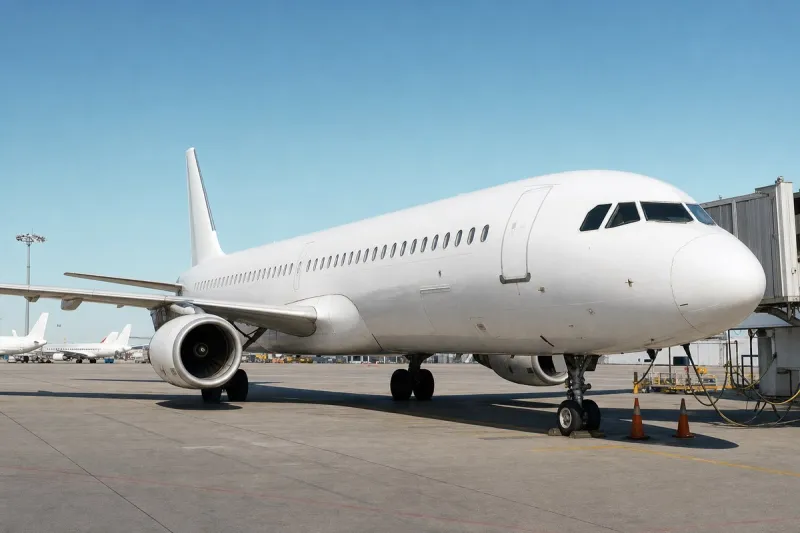
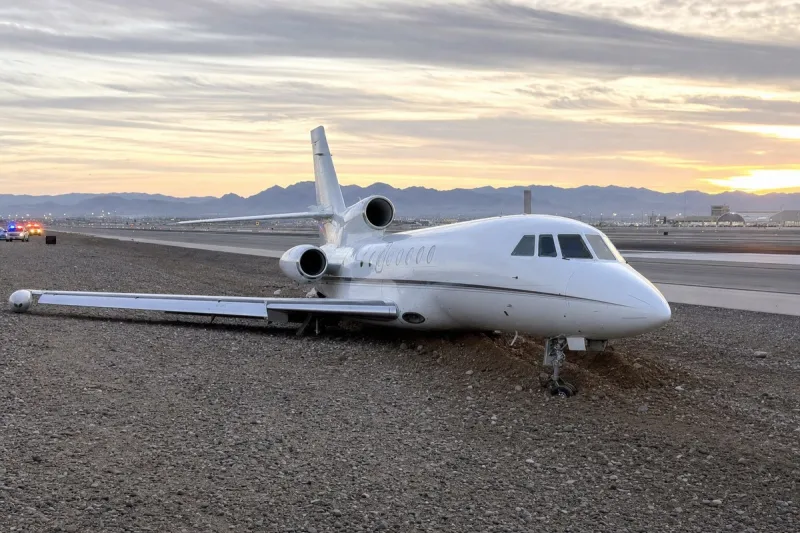
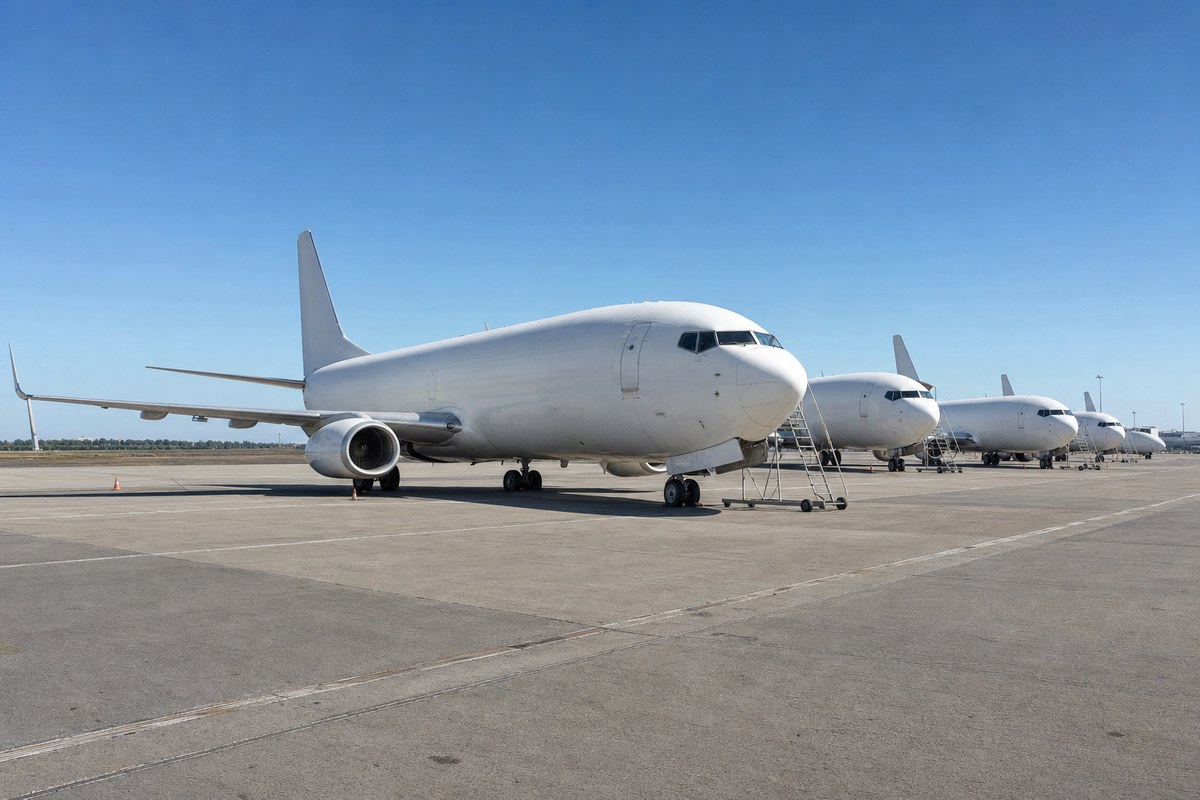
Ireland's High Court appointed joint provisional liquidators to Dublin-based charter and wet-lease carrier Fly4 Airlines Green Ltd on 10 November 2026, following an application by the company. Fly4's flying programme ended in October, and all four of its Boeing 737-800s were on the ground by 6 November.
Polish charter airline Enter Air owns 51% of Fly4, with Germany's TUI holding the remaining 49%. The joint venture was set up in 2023 to provide additional aircraft and crews to airlines and tour operators. It made its commercial debut on 10 March 2024, operating flight JAF1603 from Liège to Las Palmas and Tenerife. Its recent customers included Germany's Sundair, which used Fly4 capacity in October.
The court heard that Fly4 lost about €16 million in 2024 and €4 million in 2025, with low winter aircraft utilisation weighing on both years. The company had forecast a €3 million profit for 2026 but recorded a €1.1 million loss in the first nine months. Chief financial officer Douglas Fay attributed the shortfall to the war involving Iran and the associated rise in fuel costs.
One of the four 737-800s, EI-FFD, was reported parked at Brussels Airport from 3 November. Two others were at Istanbul Atatürk and the fourth was at Nuremberg. Interpath's joint provisional liquidators, Brendan O'Reilly and Mark Degnan, are securing the company's assets and reviewing its aircraft arrangements and contracts. The court heard that Fly4 had 20 direct employees, 12 in Ireland and eight in the UK, and that about 80 aircrew were engaged through third parties.
Industry impact & what to watch
Wet-lease and charter carriers sell aircraft and crew by the block, so their economics hinge on how many hours each airframe flies. Winter is the weak stretch for leisure-oriented capacity, and Fly4's own accounts showed low winter utilisation dragging on both 2024 and 2025. A small fleet of four aircraft leaves little room to spread that seasonal gap across other work, and the fuel-cost rise Fay cited landed on a business already running at a loss.
The ownership structure is also instructive. A carrier backed by a charter airline and a tour operator group has a ready customer base on paper, yet the liquidation shows that shareholder backing does not substitute for a full flying schedule. For customers such as Sundair, which used Fly4 capacity as recently as October, the practical effect is that wet-lease supply they relied on is no longer available and replacement lift has to be found from other providers.
The next dated checkpoint is the end of November, when the judge said the case could return to court. What the liquidators conclude from their review of the aircraft arrangements and contracts, and what that means for the four 737-800s now parked in Brussels, Istanbul and Nuremberg, will determine how the fleet re-enters the lease market.