FAA Rescinds Single-Pilot Exemptions for Cessna CE 500 Citations, Effective September 29, 2026
Why It MattersEnding a decades-old exemption regime moves legacy light-jet economics toward two-crew cost structures, narrowing the cost gap with factory-certified single-pilot types and putting training-provider compliance under pressure.
What happened
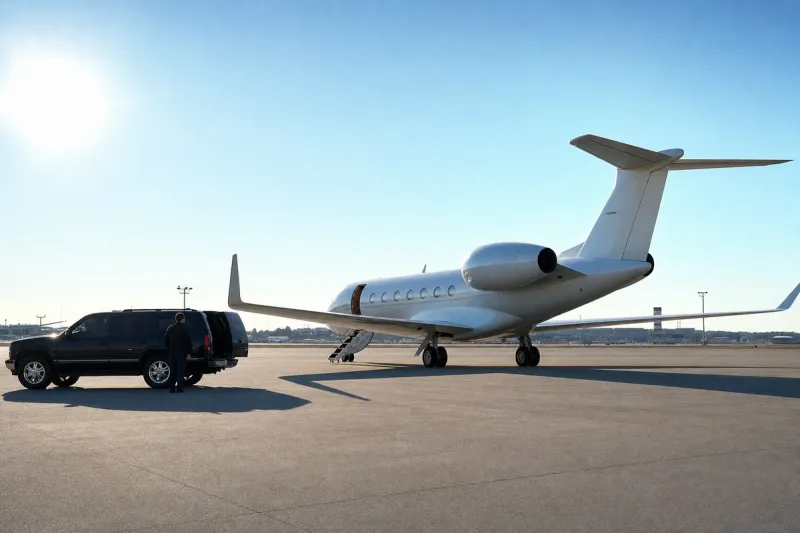
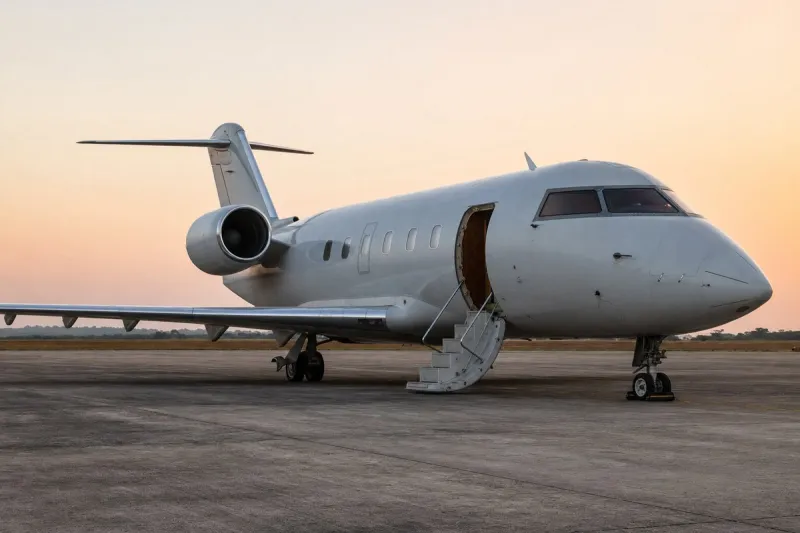
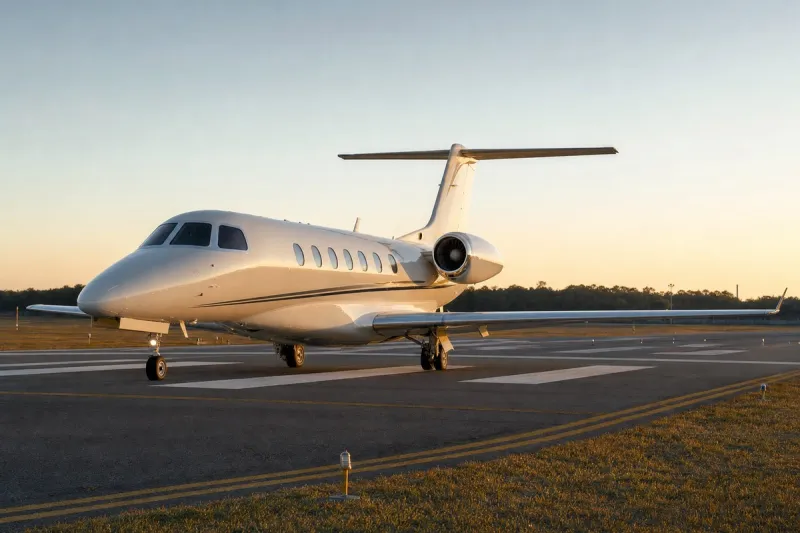
The FAA has rescinded single-pilot exemptions for certain Cessna aircraft that were originally certificated for two pilots, including the legacy CE 500 series: the Citation I, Citation II, Citation V, Ultra and Bravo. The rescission takes effect September 29, 2026.

From that date, pilots who obtained single-pilot endorsements under those exemptions can no longer rely on them. Current exemption holders must stop single-pilot operations in the affected jets and move to two-pilot crews. Single-pilot operation is prohibited for aircraft requiring two pilots unless the type certificate itself authorizes it.
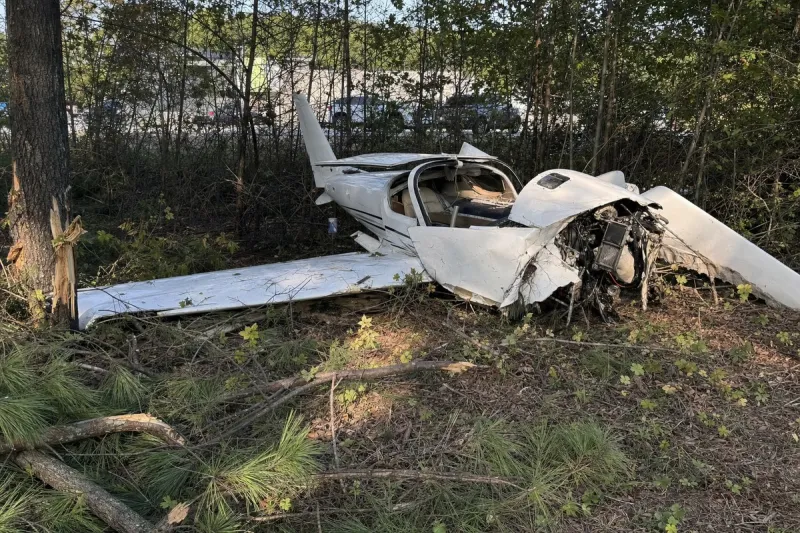
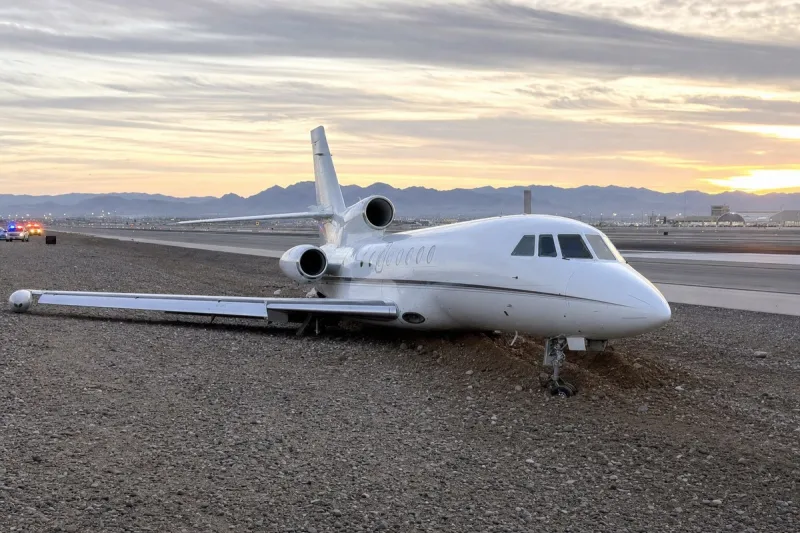
The exemptions date back to the 1970s, when the FAA began allowing two-pilot-certificated CE 500 jets to be flown by one pilot under special training conditions. A 2024 regulatory review found widespread noncompliance among training providers holding exemptions, including incomplete records, improper checks by designated pilot examiners and, in numerous instances, falsified records. The article puts the accident rate of CE 500 jets flown single-pilot at roughly twice that of Part 23 single-pilot certified jets, and cites a fatal accident in San Diego on May 22, 2025, that killed 6 people.
Cessna Citation models that are factory-certified for single-pilot operation, such as the CJ series (CJ1, CJ2, CJ3, CJ4) and the Citation M2, are not affected. The charter broker Jettly, which published the article, states that it arranges flights only with certified operators that comply with the updated FAA rules.
Industry impact & what to watch
The exemption route let older two-pilot-certificated jets operate with a single pilot at a cost level close to types certified for one pilot from the factory. Removing it ends that arbitrage: a CE 500 flown under the new rules carries a second qualified crew member, while the CJ series and M2 keep their single-pilot status. For owner-flown and small charter use, that changes the comparison between a legacy Citation and a newer single-pilot-certified one.
The exposure falls mostly on charter. Customers may see pricing adjustments on legacy CE 500 aircraft that now require a qualified second in command, and the operators with the most to absorb are those whose economics depended on one-pilot crewing.
The 2024 review's findings on records and examiner checks mean the compliance question extends beyond individual pilots to the training providers that issued the endorsements. The next milestone is September 29, 2026, when operators must show crews in place for every affected aircraft.