FAA Expands Lycoming Piston Pin Directive to More Engine Models, Including O-320 and IO-320 Variants
Why It MattersRepeated component-level directives on one engine family push piston-fleet owners and shops toward serial-number and manufacture-date traceability, shifting compliance cost and downtime into routine maintenance planning for the light general-aviation segment.
What happened
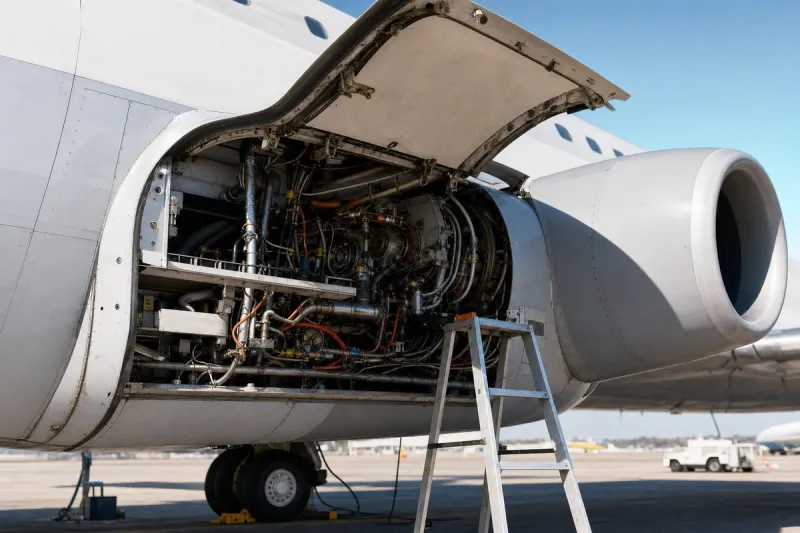
The FAA has issued airworthiness directive AD 2026-22-13, which expands required inspections and piston pin replacements on certain Lycoming engines after reports of component failures. The directive supersedes an August order and adds several engine models, including O-320 and IO-320 variants.
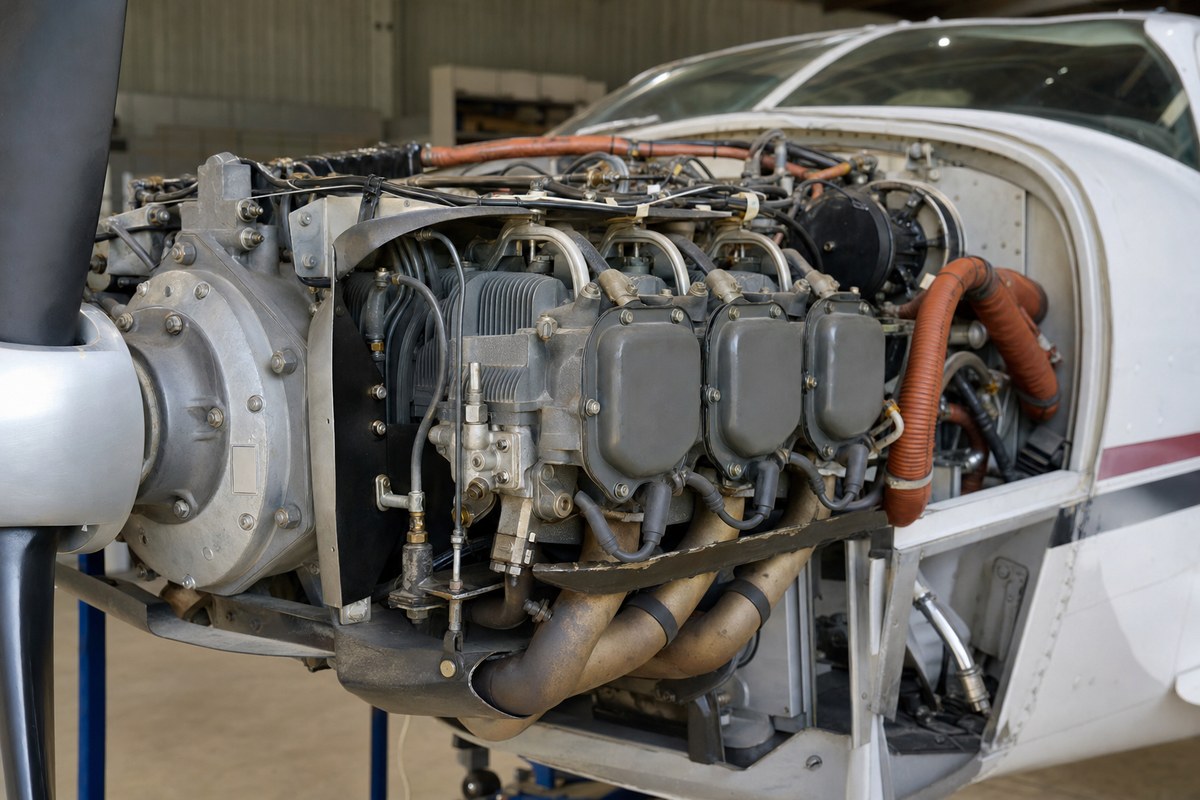
The FAA said the affected pins have been associated with metal contamination in engine oil and with engine failures. In an earlier service bulletin, Lycoming warned that piston pin failure can cause an uncommanded and complete loss of power.
The directive covers specified engines equipped with LW-13445 piston pins manufactured between Jan. 7, 2021, and Dec. 15, 2025, as well as pins whose manufacturing dates cannot be determined. Depending on the engine and its operating hours, operators must conduct oil inspections within five hours of the directive's effective date and replace certain pins before further flight or within 25 hours. Other replacements may be deferred until specified maintenance events or overhaul.
The directive takes effect Nov. 24 and is expected to affect approximately 957 engines installed on U.S.-registered aircraft. The FAA estimates compliance costs at $4,325 per engine, or approximately $4.1 million in total, although some expenses may be covered under warranty. The action is separate from an earlier directive addressing Lycoming connecting rod assemblies.
Industry impact & what to watch
A directive that supersedes an earlier one and widens its scope usually reflects a failure population that was larger than first understood. For owners of Lycoming-powered piston aircraft, the practical consequence is that a single part number now has to be tracked by manufacture date, and an engine whose pin date cannot be established is treated the same as one inside the affected window.
The tiered compliance structure also shapes how the work lands. Immediate oil inspections and pre-flight or 25-hour replacements fall on engines in the highest-risk category, while deferral to a maintenance event or overhaul spreads the rest across normal shop schedules. Shops that handle these engines will see demand concentrated around the Nov. 24 effective date, and warranty coverage may decide who ultimately absorbs the estimated $4,325 per engine.
The separate connecting rod directive means some owners may face two compliance tracks on the same engine family. The next milestone is the Nov. 24 effective date, which starts the five-hour inspection clock.