US Moves to Forfeit Chinese-Registered Gulfstream G550 Seized in Alaska After Six-Day Iran Stay
Why It MattersUS-built aircraft stay within American export and sanctions reach after they change hands or registry, and enforcement can arrive at any US stopover long after the flight itself.
What happened
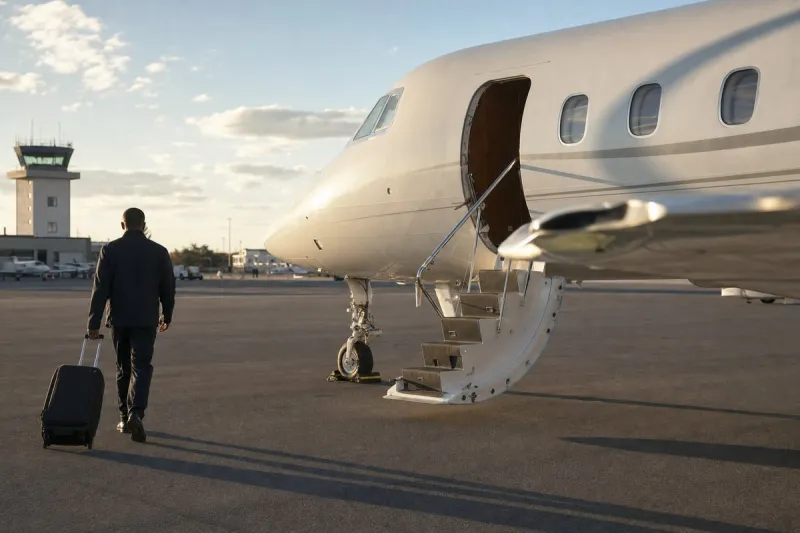
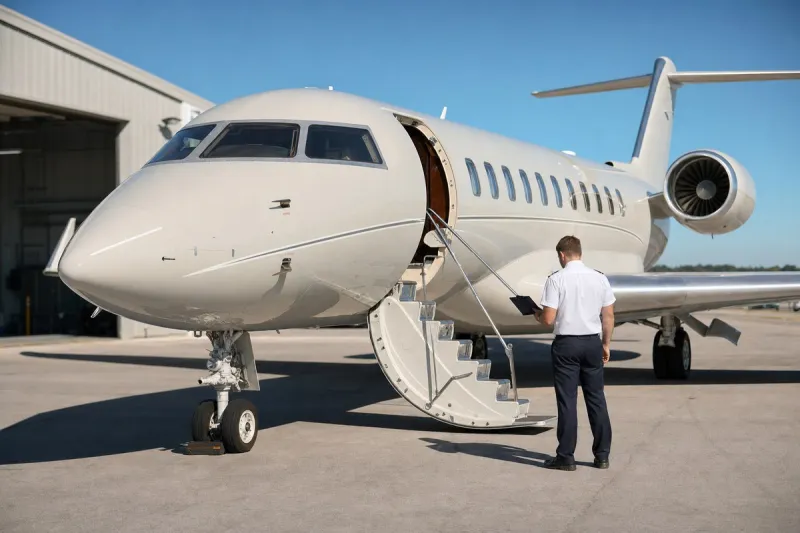
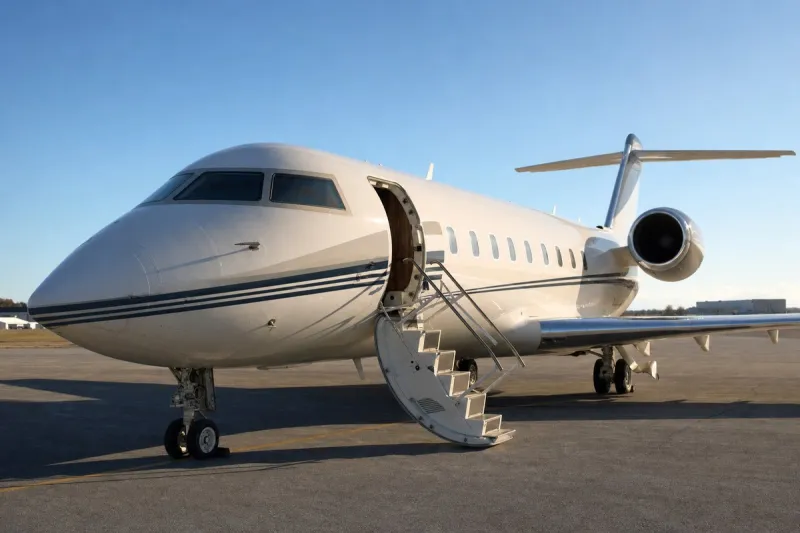
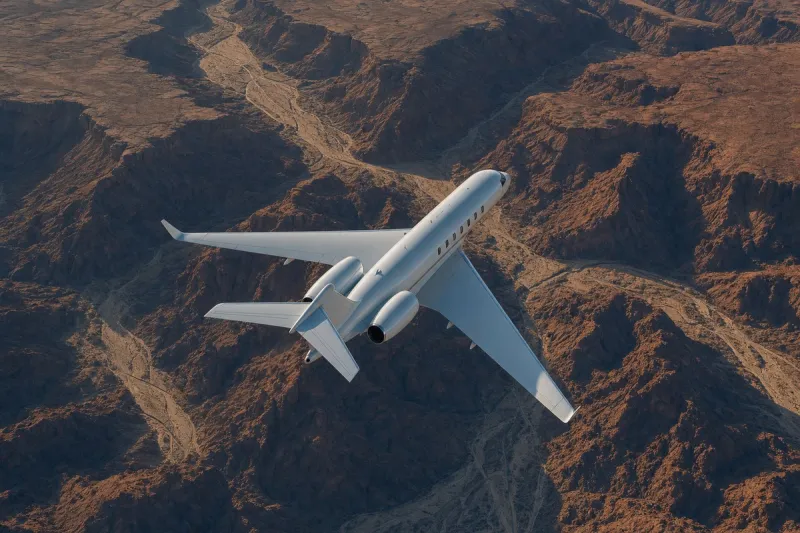
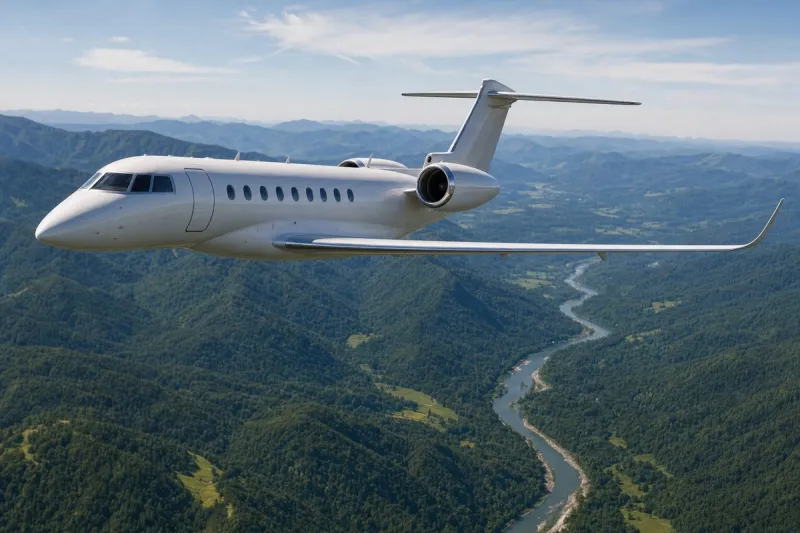
The US Justice Department has asked a federal judge in California to let the government keep a Chinese-registered Gulfstream G550 that federal agents seized in Alaska in May 2026. Prosecutors say the US-built business jet flew from Beijing to Tehran without the required US authorization and spent six days in Iran.

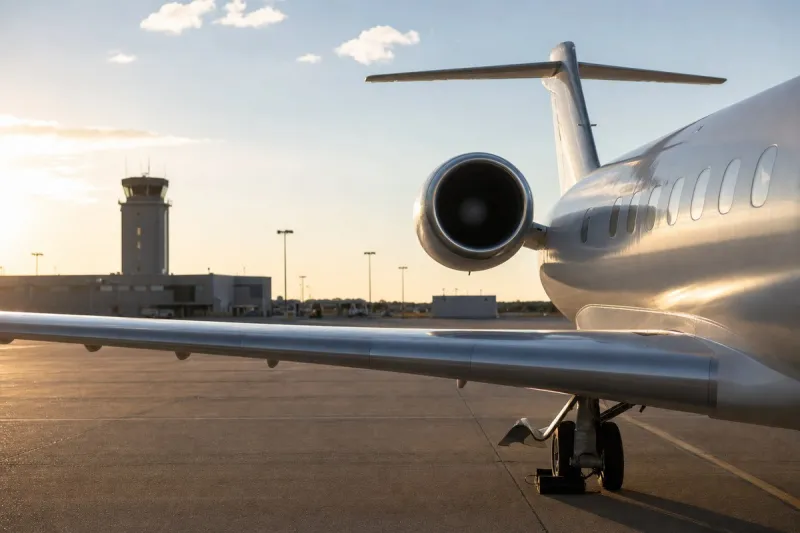
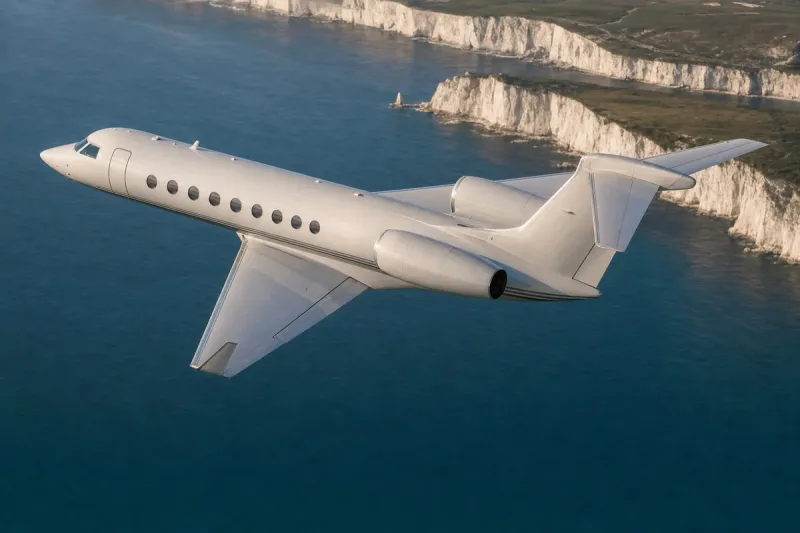
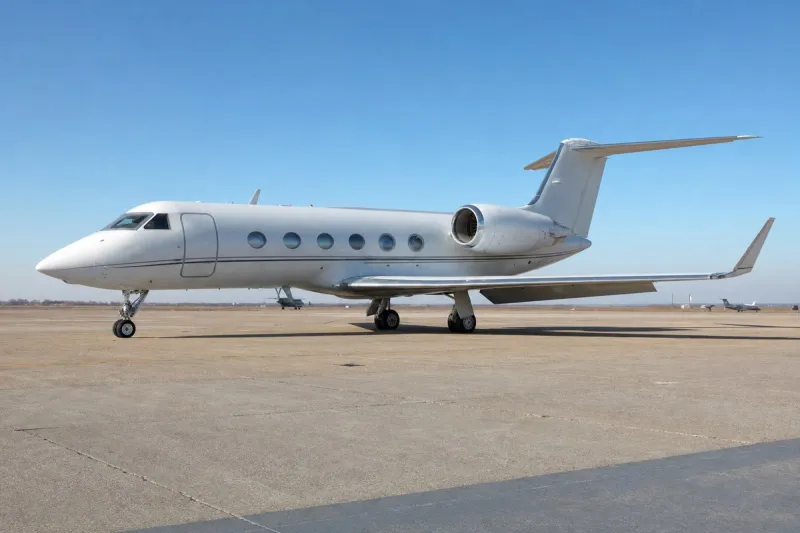
An October 28 civil forfeiture complaint identifies the aircraft as a 2012 Gulfstream G550, registration B-8259, registered to Deer Jet (Beijing) Co., Ltd. According to the filing, the jet flew to Tehran on December 13, 2024, and remained there until it returned to Beijing on December 19.
At the time, a US Treasury Department general license allowed certain foreign-registered civil aircraft to visit Iran for up to 72 hours, provided other conditions of the license were met. Prosecutors say the Treasury's Office of Foreign Assets Control never approved a longer stay for B-8259. They also allege that the flight itself required US approval: because the Gulfstream was built in the United States, flying it from China to Iran counted as a reexport under US export control laws, and the Commerce Department's Bureau of Industry and Security never issued a license for the trip.
Federal agents seized the aircraft under a warrant when it landed in Anchorage on May 24, 2026, more than a year after it returned from Tehran. By the time prosecutors filed the case, the jet was in FBI custody in Virginia. The Justice Department asked the court to give anyone with a claim to the aircraft an opportunity to contest the forfeiture before the judge decides who may keep it. If the court grants forfeiture, the US government could sell the Gulfstream or keep it for official use. The complaint does not say what the government intends to do with the jet.
Industry impact & what to watch
The case shows how long the reach of US export and sanctions law runs for American-built aircraft. Registration in another country does not remove a business jet from that reach: the complaint's theory is that a US-built airframe flying between two non-US points is still a reexport, and that a general license covering 72 hours cannot be stretched to six days. For operators, lessors and brokers handling US-origin aircraft in sanctions-adjacent regions, the compliance question is therefore tied to the airframe's origin and to the exact terms of any license, not only to who owns it or where it is registered.
The timing matters as much as the allegation. The flight ended in December 2024 and the seizure came in May 2026, when the aircraft touched US soil in Anchorage. Enforcement against a foreign-registered jet does not have to happen at the time of the trip; it can wait for the first stop where US authorities have jurisdiction, which makes fuel and technical stops on US territory a point of exposure for aircraft with a contested history.
The next milestone is procedural: the court will hear from anyone who comes forward with a claim to B-8259 before deciding forfeiture. Whether Deer Jet (Beijing) Co., Ltd. or any other party contests the filing will determine whether the case is argued on its merits or ends uncontested.