Ex-NCAA Official Urges Crackdown on Unlicensed Private Jet Charter Operations in Nigeria
Why It MattersUnlicensed charter sits where regulation, taxation and safety meet: when paid flights pass as favours, certificated operators carry the cost burden while the state loses revenue and oversight.
What happened
A former official of the Nigerian Civil Aviation Authority (NCAA) has called for stricter enforcement against illegal private jet charter operations in Nigeria, citing lost government revenue and safety concerns. The call comes in an opinion piece by the former official.

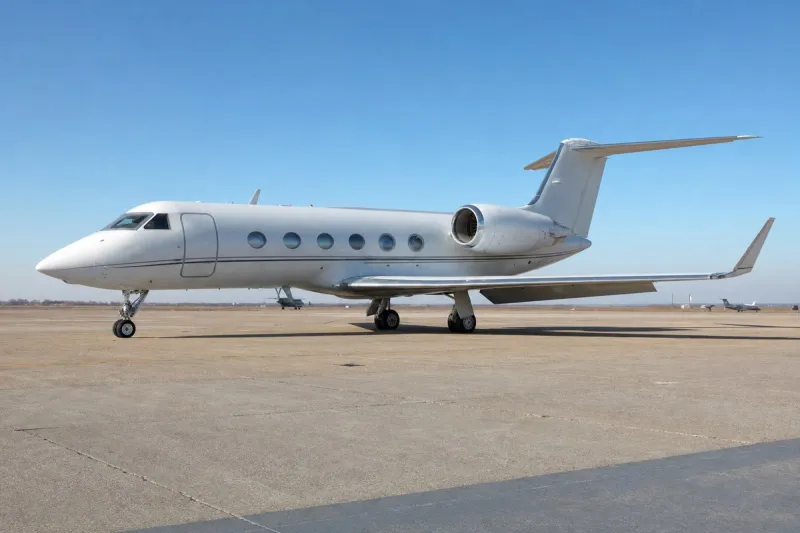
The writer points to election years and electioneering campaigns, when aircraft of many types appear at aerodromes across the country. Acquiring, insuring and maintaining an aircraft remains very expensive, with insurance, maintenance and operating costs mostly dollarised.
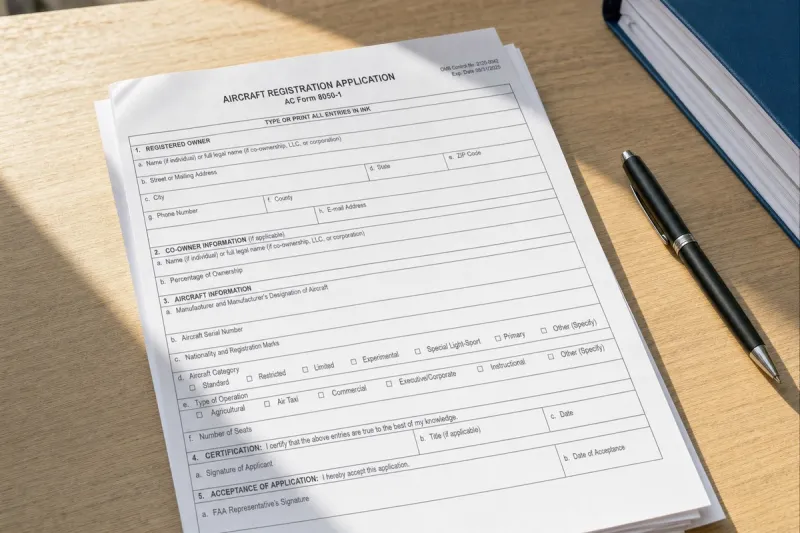
Under Nigeria's regulatory requirements, individual jet owners cannot meet the safety requirements to operate an aircraft on their own. They must register their private jets with an existing airline holding a functional Air Operator Certificate (AOC), which the NCAA issues once an airline has met all requirements and shown the capacity to operate safe flights. That airline bears responsibility for jets registered under it and faces sanctions for any violations. The writer adds that Nigeria has operated for more than fifteen years without an accident or serious incident in the Civil Aircraft…
The Nigeria Civil Aviation Regulations 2023 provide that any operation carrying passengers or cargo for hire and reward attracts a five per cent Ticket Sales Charge and Cargo Sales Charge, payable by passengers and normally built into airline fares. The writer says some operators evade these charges by presenting flights as free rides for family friends, depriving government agencies of revenue and avoiding sanctions for charter operations they are not registered to conduct.
The writer urges agency chief executives to set aside sentiment and enforce the rules, and calls for the Economic and Financial Crimes Commission, the Independent Corrupt Practices Commission and other agencies to join the effort.
Industry impact & what to watch
The case shows how charter regulation works in practice. Because owners can only operate through an AOC holder, that certificate holder is the legal and financial anchor of every legitimate private flight: it answers to the regulator, collects the sales charge through fares, and absorbs sanctions. A flight sold as a favour sidesteps all three, and the gap is hardest to see in a period of heavy political travel, when many aircraft are moving and few are scrutinised.
For certificated operators the effect is a pricing one. A competitor that charges for seats but avoids the five per cent levy and the compliance burden can undercut those that carry both, so tolerance of disguised charter erodes the economics of the compliant segment as well as government revenue.
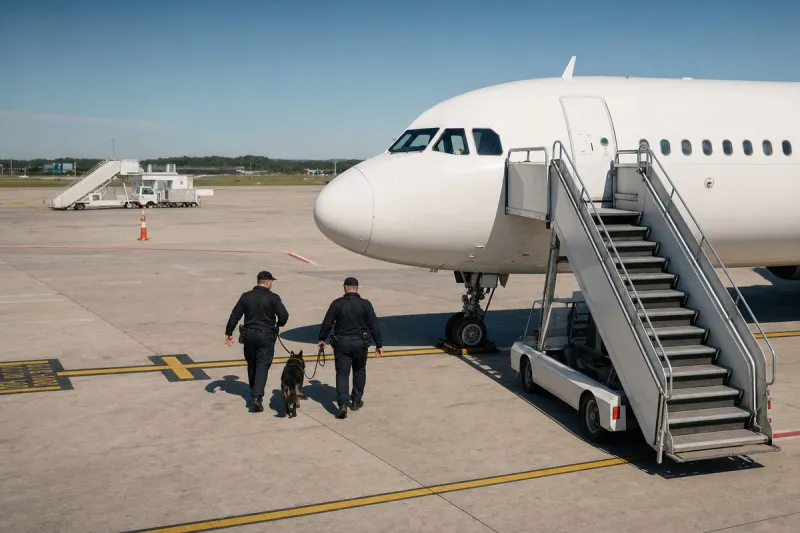
The piece itself is an opinion and sets out no enforcement figures, so the signal to look for is institutional: whether the NCAA, or the anti-corruption bodies the writer names, take up the call and begin checking whether aircraft on the ramp are flying under a registered AOC holder.