Learjet 60 N722BD Crash Near Mar-a-Lago Kills Nine; Pilot Audio and Weapon Range Undercut Missile Shootdown Claims
Why It MattersSocial-media shootdown theories spread fastest around high-profile locations, yet in-flight audio and weapon-range limits are the evidence that sort them from weather-related loss-of-control events.
What happened
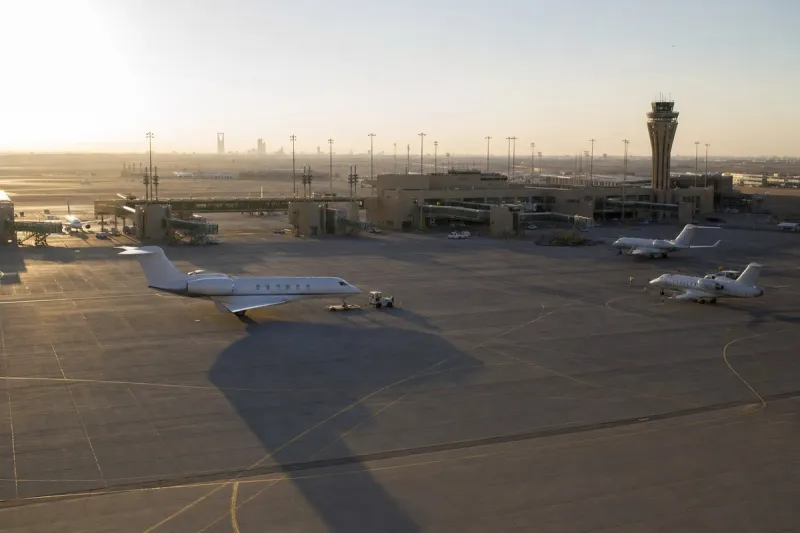
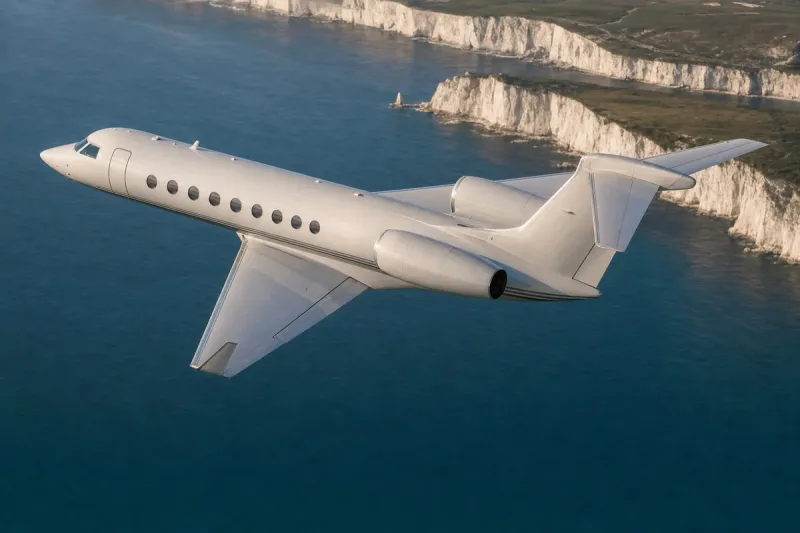
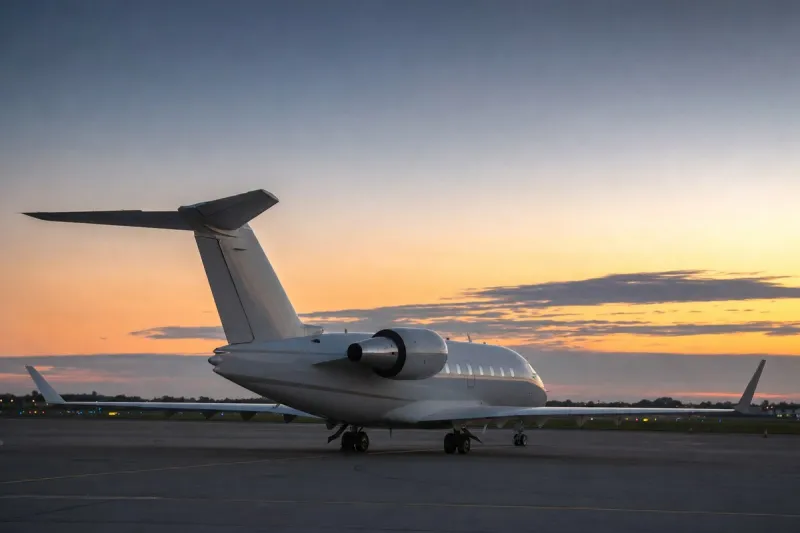
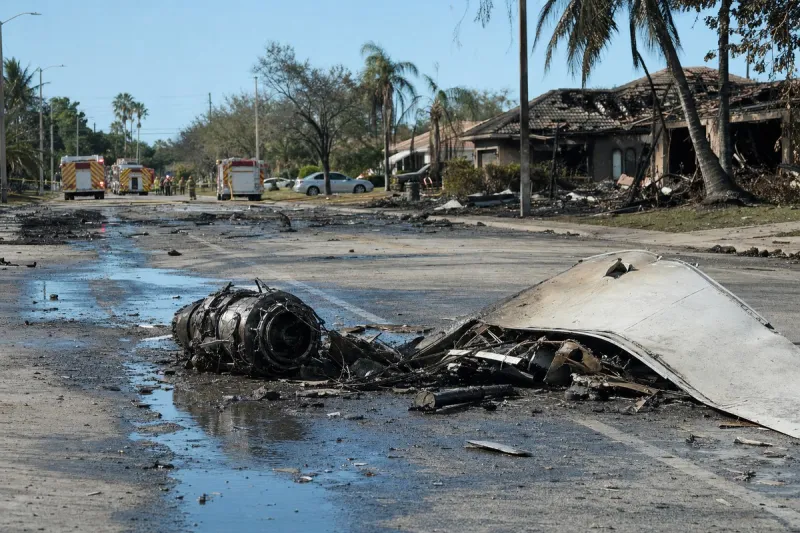
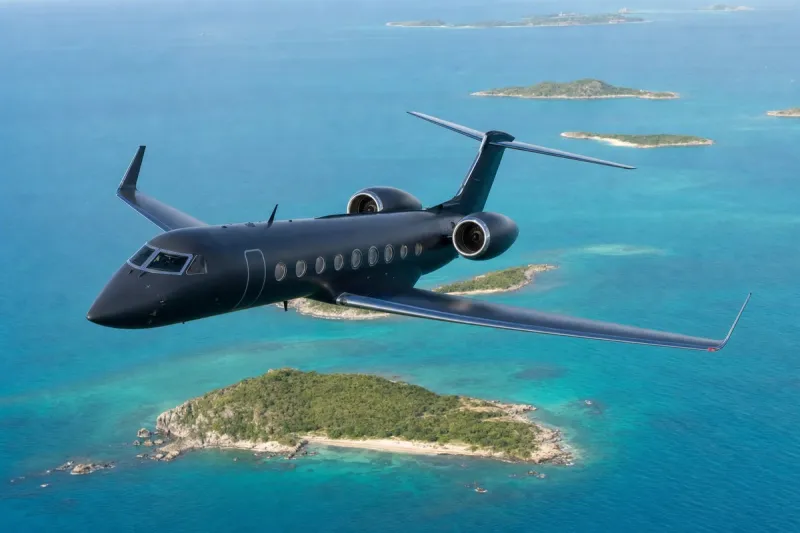
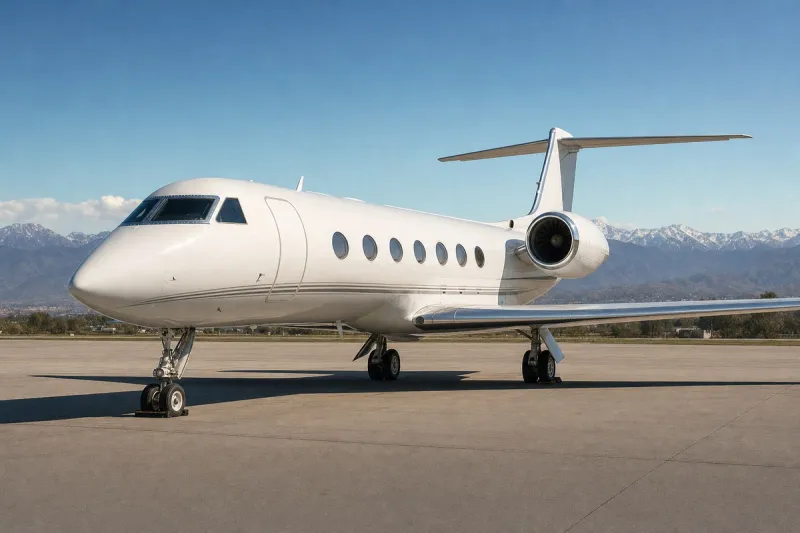
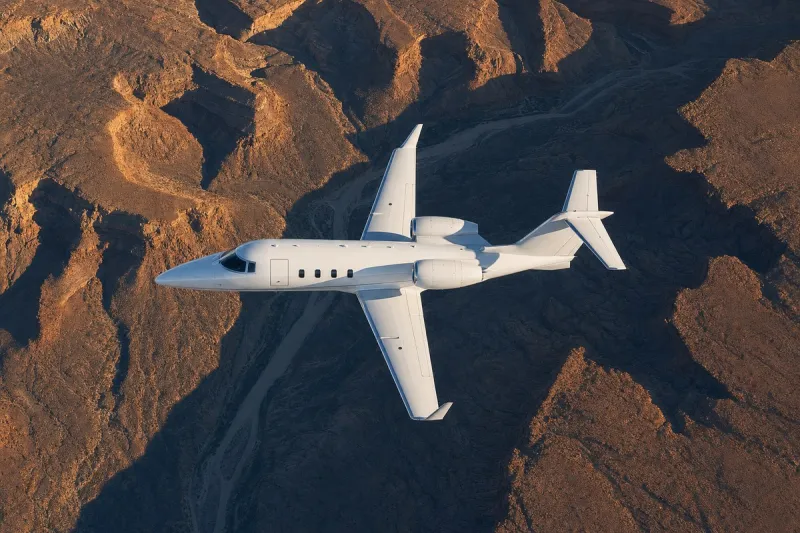
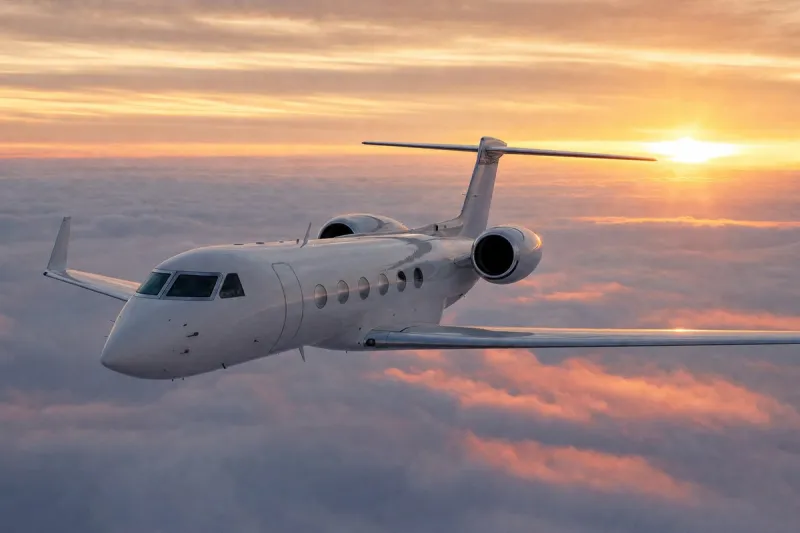
A Learjet 60, registration N722BD, crashed in Palm Beach County, Florida, on November 1, killing all nine people aboard. The crash site, near the Greenacres mobile home community, is about 10 km from President Donald Trump's Mar-a-Lago resort. The aircraft was flying from Austin-Bergstrom International Airport in Texas to North Eleuthera Airport in the Bahamas.
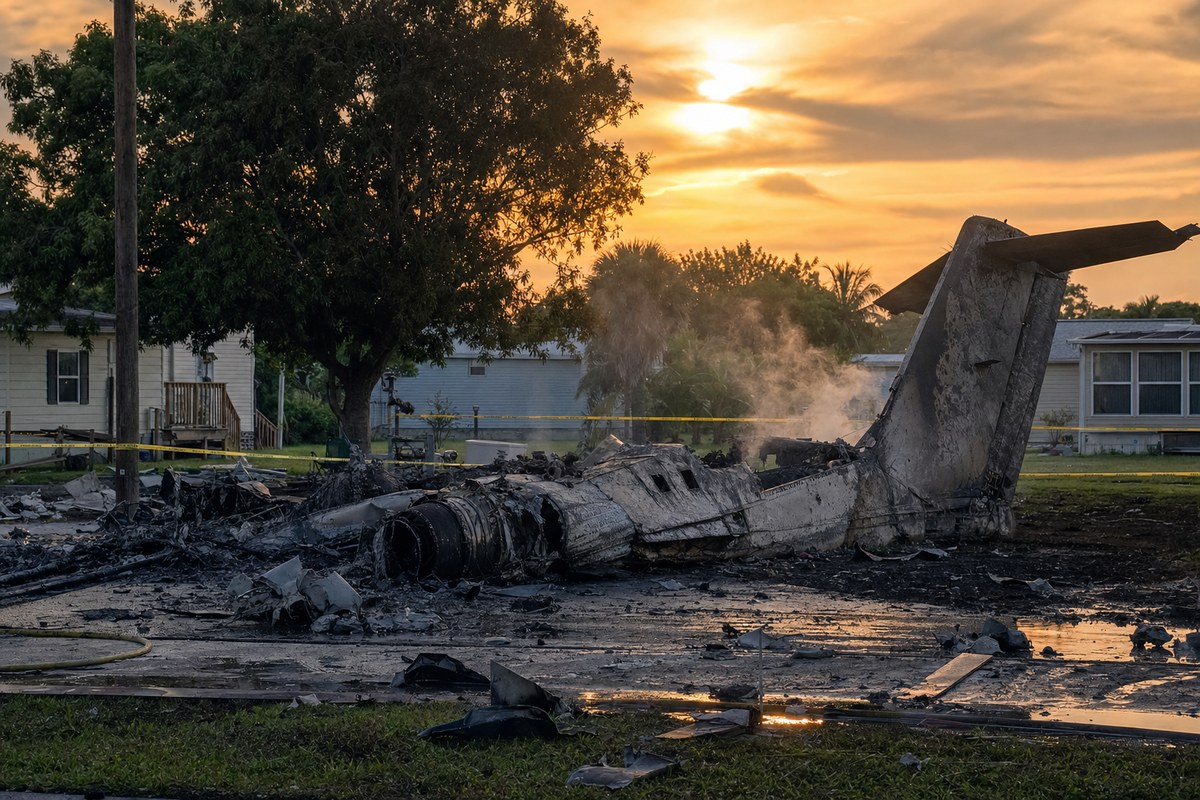
A dashcam video shows the jet descending almost vertically before it hit the ground and erupted in a fireball, leaving a crater. Federal Aviation Administration (FAA) figures show the aircraft fell from 35,250 feet to 8,750 feet in just over a minute, nearly 350 feet per second. The FAA and the National Transportation Safety Board (NTSB) are investigating.
In the reconstructed air traffic control exchange, the pilot reported "light, clear ice that is manageable and moderate turbulence," then reported descending at 10,000 feet per minute and later 22,000 feet per minute while banking 60 degrees, saying "We're going to crash into the ground." She did not report being hit. The crew had also reported moderate turbulence, icing and heavy precipitation and requested a climb to 37,000 feet before the dive began.
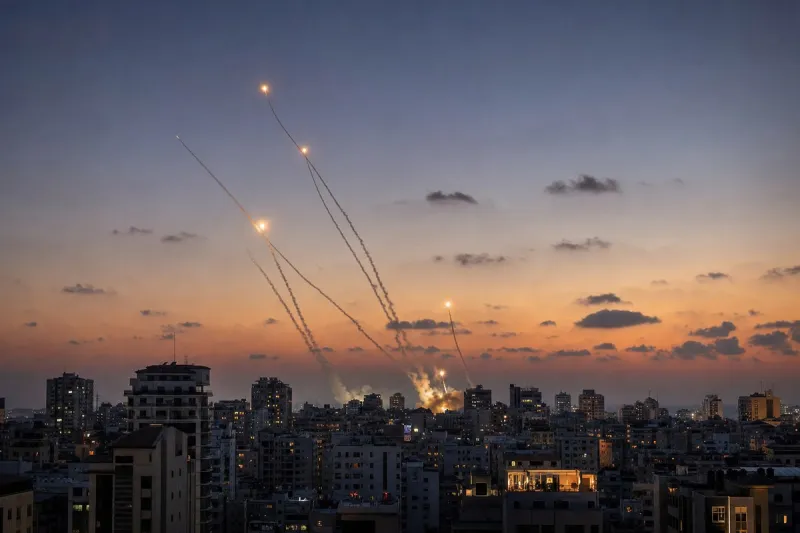
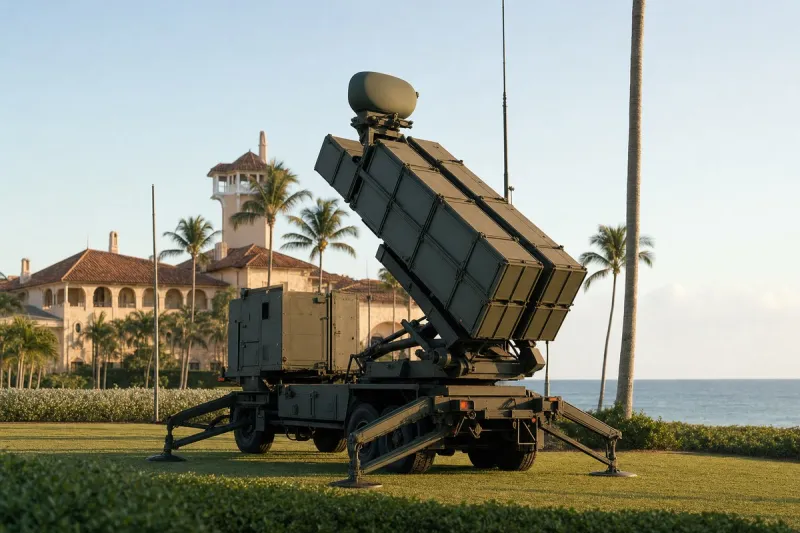
Social media users have claimed the jet was shot down by air defense systems deployed around Mar-a-Lago or by a US Air Force F-16, and India's Economic Times and the UK-based International Business Times covered the claim. In late October, NORAD confirmed it had deployed ground-based AN/TWQ-1 Avenger short-range air defense systems, which fire Stinger missiles, around Mar-a-Lago at the Secret Service's request amid a heightened threat environment. Trump was at the resort on the morning of November 1.
Avenger systems can generally engage aircraft at roughly 10,000 to 12,500 feet within a few miles; per Global Security, the Stinger's effective range is about 5 km and its maximum about 8 km. The Learjet was at over 35,000 feet and crashed more than 10 miles from Mar-a-Lago. Former pilots, including TOPGUN adversary pilot Matthew "Whiz" Buckley, and former Indian Army Major Madhan Kumar (Retd) pointed to turbulence, icing and storms as likely causes. The cause has not been officially determined, and the investigation is ongoing.
Industry impact & what to watch
A crash close to a heavily protected site invites instant speculation, and the speed of that speculation outruns the evidence. What separates a weapons event from a weather or loss-of-control event is usually available early: the crew's last transmissions, the flight profile, the geometry between the aircraft and any defensive system, and the condition of the airframe on its way down. Here the pilot described ice, turbulence and a steepening dive without reporting any impact, and the altitude and distance sit far outside the engagement ranges cited for the short-range systems deployed nearby.
For the business-aviation community, the more durable lesson sits in the operating environment the crew described. Moderate turbulence, icing and heavy precipitation at high cruise altitude, followed by a rapid loss of altitude with a steep bank, is the kind of sequence that safety investigators treat as a loss-of-control scenario until the data says otherwise. Temporary heightened-security deployments near VIP locations add a second layer of scrutiny to any incident in the vicinity, even when the flight path has nothing to do with the protected site.
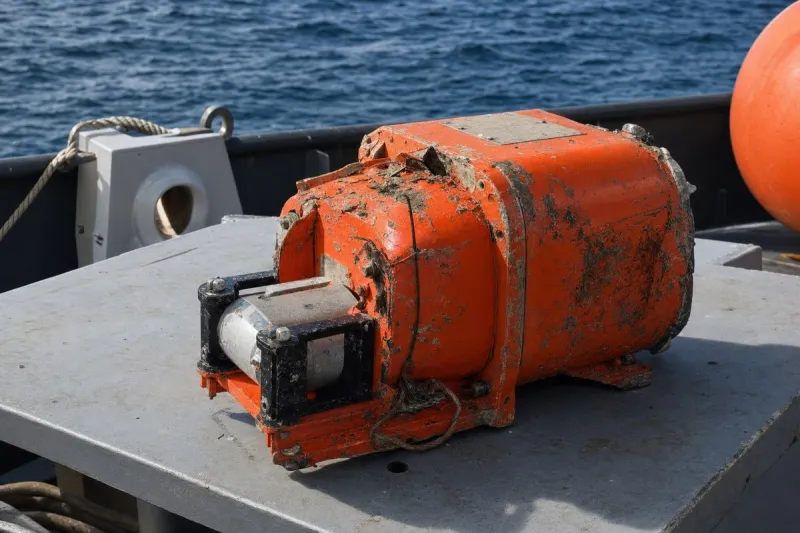
The next fixed point is the investigation itself. The FAA and NTSB will have to establish the cause from the flight data, cockpit audio and wreckage, and until they publish findings, the cause remains officially undetermined.