Gulf Airspace Remains Usable but Fragile as Post-Midterm Escalation Risk Coincides With Record El Nino and Early Stratospheric Warming
Why It MattersBusiness-aviation networks stay open but with thinner margins: conflict-zone bulletins, route suspensions and weather extremes now shape routing, scheduling and counterparty risk across charter and private flying.
What happened
The United States has told several Gulf Arab states to prepare for a short, intense military campaign after the US midterm elections, according to people briefed on the communications. It is one of a growing number of indications that the US and Israel are preparing a new round of heavy combat operations against Iran. Analysts note deep Iranian distrust of Washington after three rounds of strikes since June 2025, and say Tehran is content for now to keep attacking shipping to push energy prices higher.

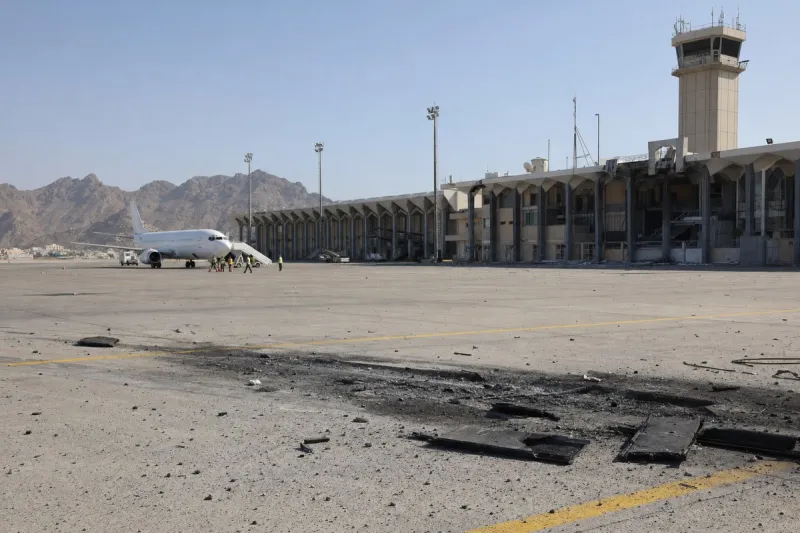
Missile and drone attacks on Saudi airports through October, including strikes reported against Riyadh's international airport, prompted tighter travel advisories and route suspensions. IndiGo said on October 28 that flights to and from Riyadh, Jeddah, Dammam and Madinah would stay cancelled until November 14 because of airspace restrictions. Emirates has cancelled Saudi, Kuwait and Peshawar services, and Etihad has cancelled Dammam and Jeddah flights. Saudi airport operations have partially resumed, but international services remain affected.
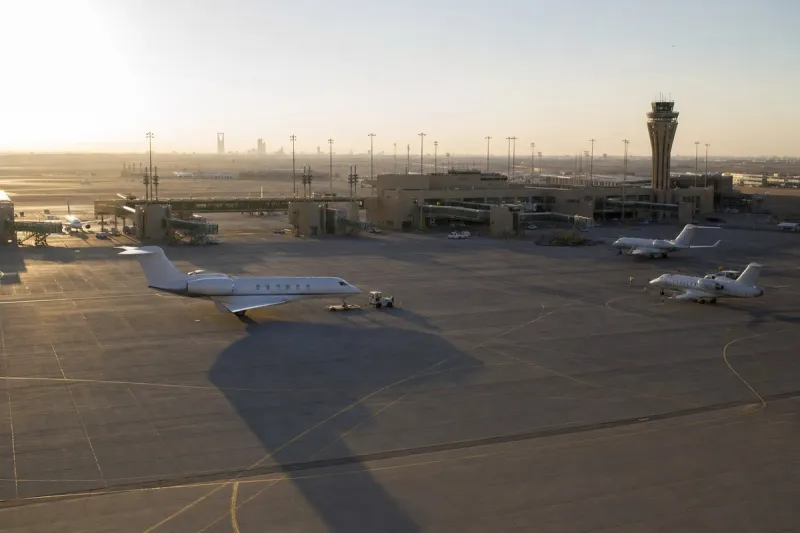
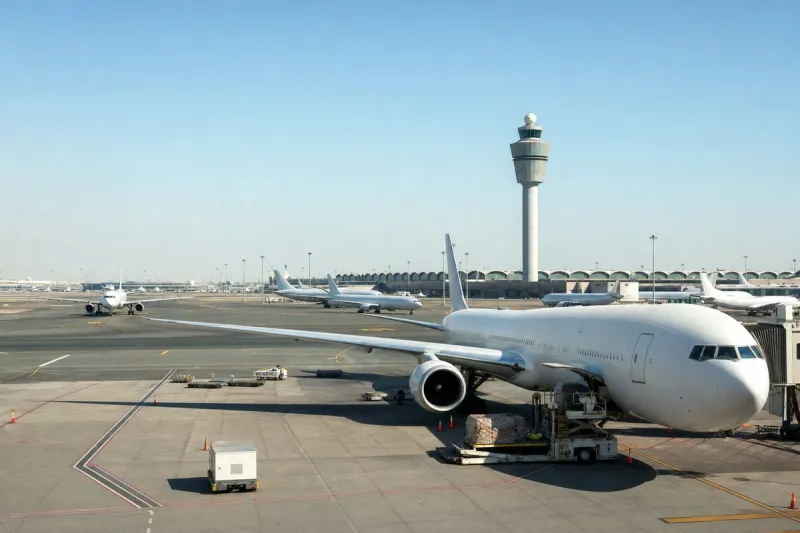
Gulf airspace is not closed. EASA has extended its Conflict Zone Information Bulletin for the UAE and wider Persian Gulf until November 16, 2026, and the hubs at Abu Dhabi, Dubai and Sharjah continue to operate, subject to operator risk assessment. The UK Foreign Office has placed Israel, the Palestinian territories, Lebanon, Iran, Iraq, Syria and Yemen under its strongest warnings. The United States reissued advisories on October 23 covering 13 Middle Eastern countries, citing Houthi missile and drone threats, conflict-zone aviation risk and Red Sea maritime threats.
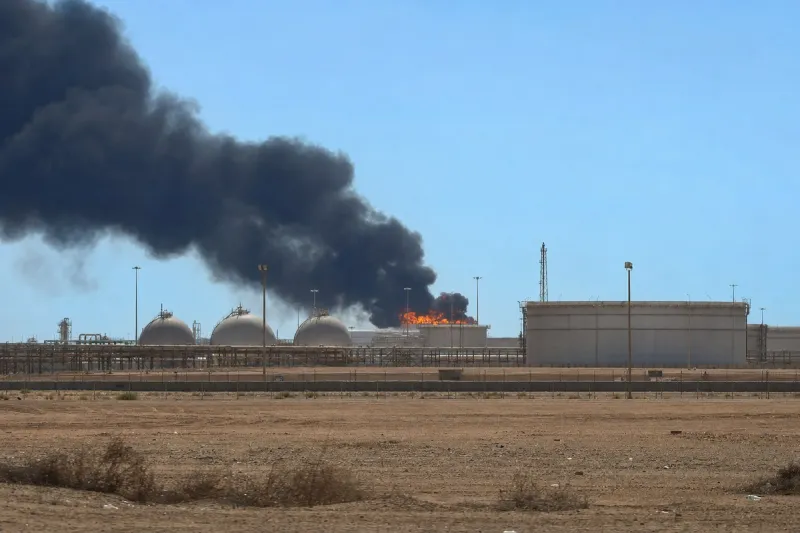
The Houthis claimed a strike on the Abqaiq oil processing plant in eastern Saudi Arabia on October 29, the first explicit claim of its kind in the 2026 conflict. An earlier July 2026 attack on the same facility was attributed to unknown actors and not explicitly claimed, so attribution there remains contested. Separate reporting states that Russia has been providing the Houthis with satellite imagery of Saudi oil and military infrastructure, via Iranian advisers in Yemen. A Qatar Amiri Flight Airbus landed in Tehran amid reports of a Qatari mediation delegation.
Asia-Pacific and weather
Pakistan has closed its airspace to Taiwanese airlines on One China policy grounds. Typhoon Champi shut down large parts of Taiwan with winds reported at 191 kph, causing one death, 163 injuries and thousands of evacuations, with Japan's westernmost inhabited island, Yonaguni, in the expected path. A magnitude-7 earthquake in Tibet killed 16 people and injured 76, and a magnitude 6.9 earthquake struck off Vanuatu on October 24, followed by a 6.3 aftershock; a tsunami warning was later cancelled.
The WMO projects tropical Pacific sea surface temperature anomalies of 3.8C above average from November 2026 to January 2027, with the Nino 3.4 index having risen from about 2C in July to 2.8C in September. Its Secretary-General described the event as off the monitoring charts of the past four decades, peaking towards the end of 2026. Separately, a polar vortex split and stratospheric warming event is forecast for November, roughly a month earlier than past analysis suggested, with surface impacts expected within 15 to 45 days.
Insurance and counterparty exposure
Global economic losses from natural disasters reached roughly 204 billion dollars in the first nine months of 2026, the lowest year-to-date figure since 2015 despite 42 billion-dollar events. Insured losses were 91 billion dollars, of which US severe convective storms accounted for 43 billion dollars.
ONEflight International, the company behind the BAJIT booking platform, suspended flights in September while assessing its finances. By October 28, twelve federal customer lawsuits had been identified against it and its executives.
Industry impact & what to watch
The two threats work differently on planning. The Gulf risk is concentrated and event-driven: hubs keep operating under operator risk assessment, while carriers pull individual Saudi, Kuwaiti and Pakistani routes on short notice and restore them only date by date. For business aviation, that means access is conditional rather than binary, and a bulletin or advisory expiring is a decision point, not a resolution.
Weather is the diffuse counterpart: an extreme El Nino and an early stratospheric warming event widen the range of disruption across several regions at once, without closing any single corridor. Counterparty failures such as ONEflight's add a third, financial layer to the same squeeze on margins.
The dates that matter are concrete. IndiGo's restart into the four Saudi airports is set for November 14, and EASA's Gulf bulletin expires on November 16, just after the US midterms that several reports identify as the trigger window for renewed combat operations. Beyond that sit any widening of Houthi targeting beyond eastern Saudi energy sites, the outcome of Qatari mediation, and the mid-November to early-December stratospheric warming window ahead of the forecast December El Nino peak.