Houthis claim attacks on three Saudi oil facilities and two airports; Saudi Arabia has not confirmed
Why It MattersA claimed strike on airports that serve Gulf business-aviation traffic would turn regional conflict risk into a planning variable for charter, trip support and insurance, even while the underlying claims remain unverified.
What happened
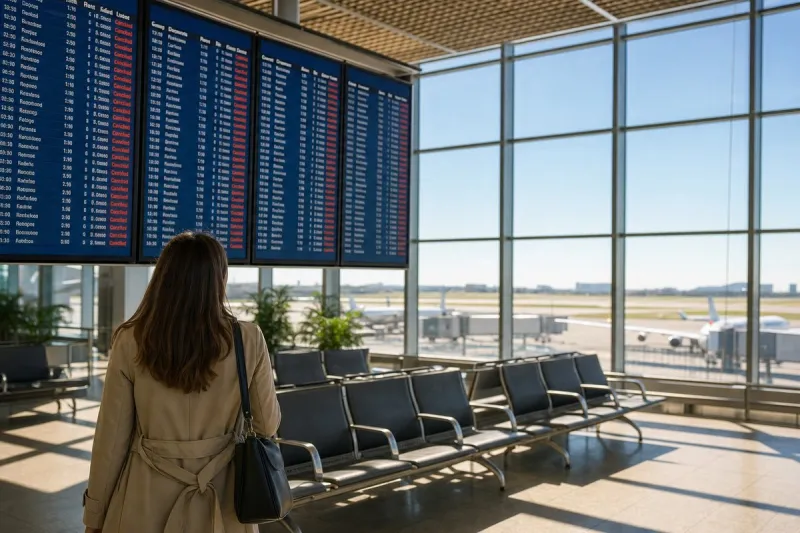
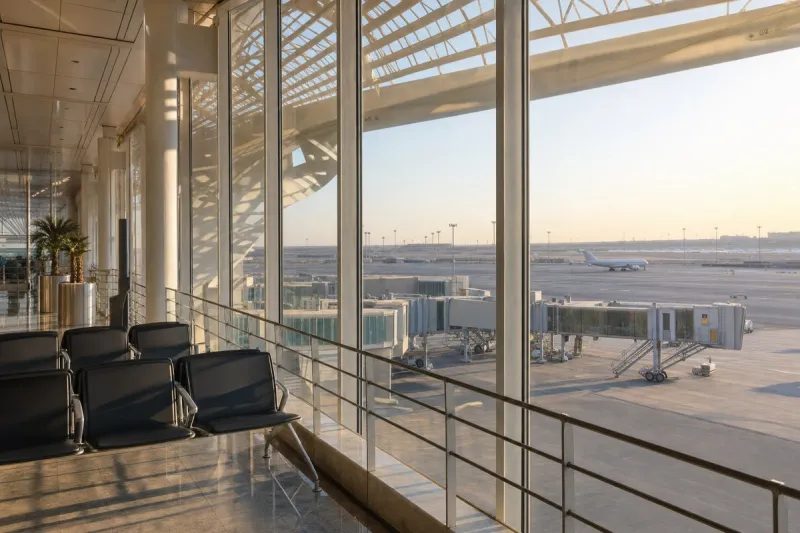
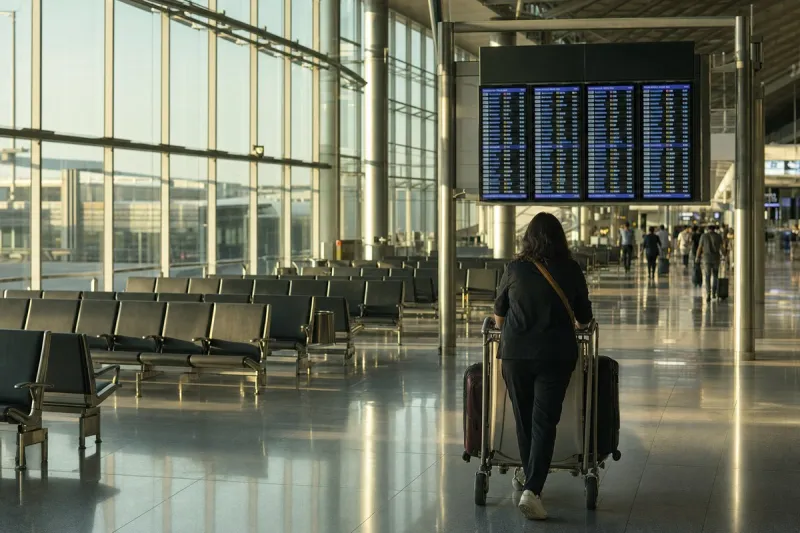
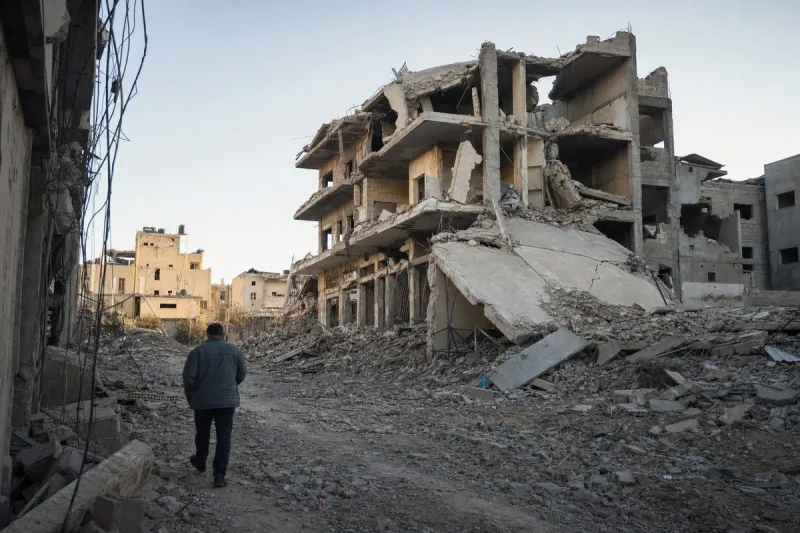
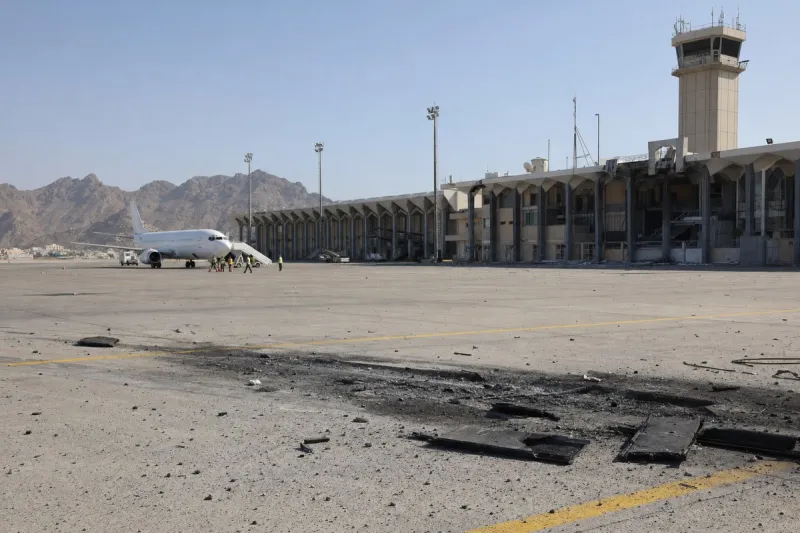
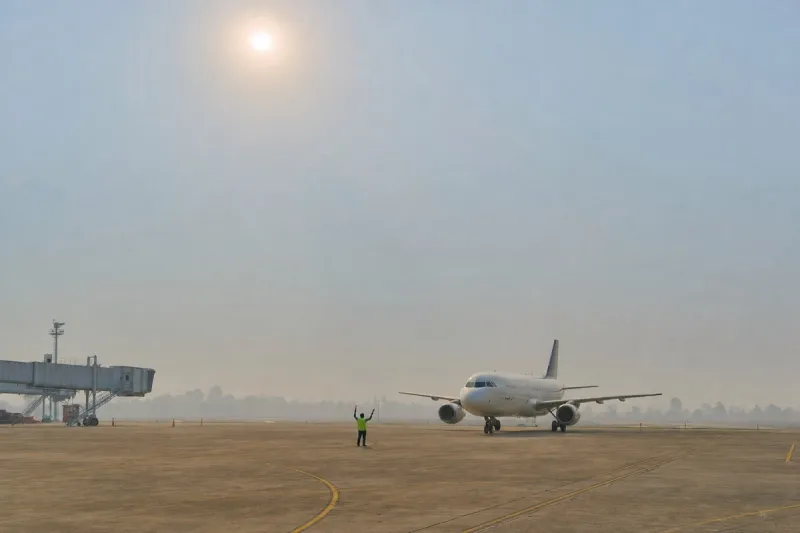
Yemen's Houthis have claimed responsibility for attacks on three Saudi oil facilities, among them the Ras Tanura refinery, and on two international airports. The airports are reported to be those in Riyadh and Dammam.
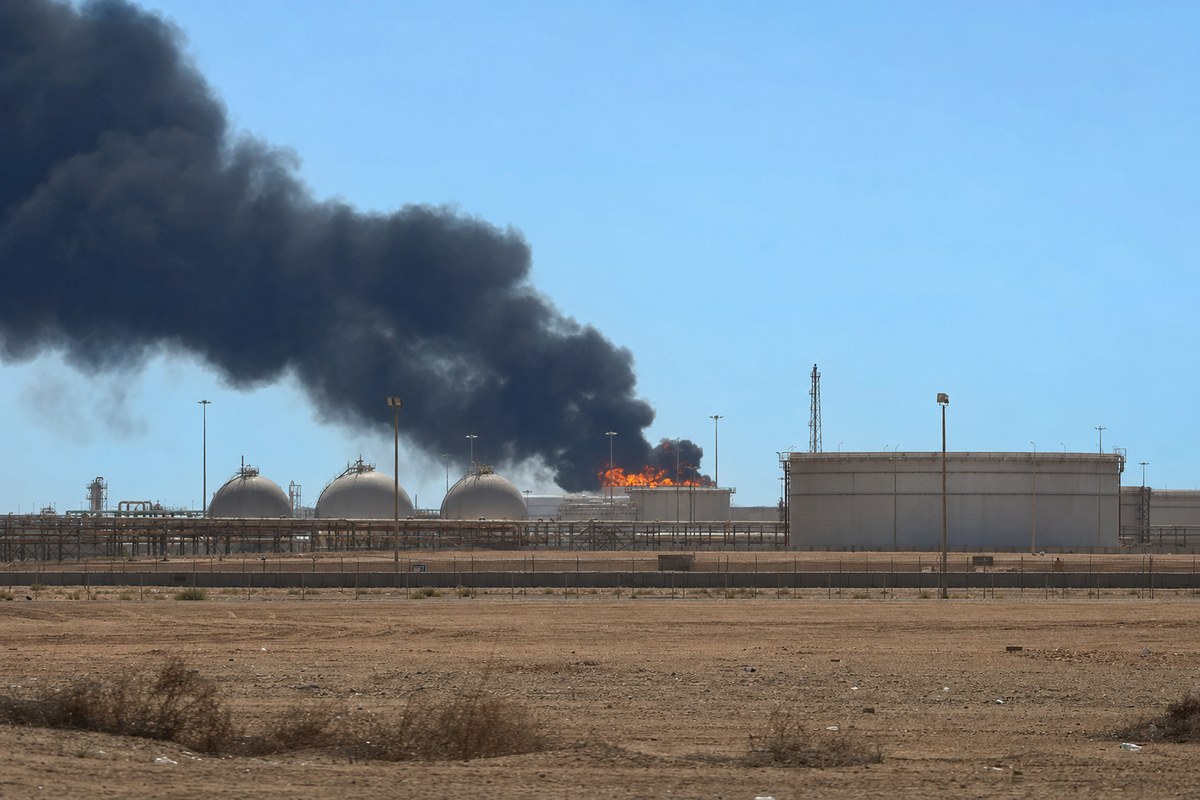
Saudi authorities have not confirmed the reported strikes, and there was no immediate confirmation of the Houthi claims. The claims therefore stand as the Houthis' own account of the attacks.
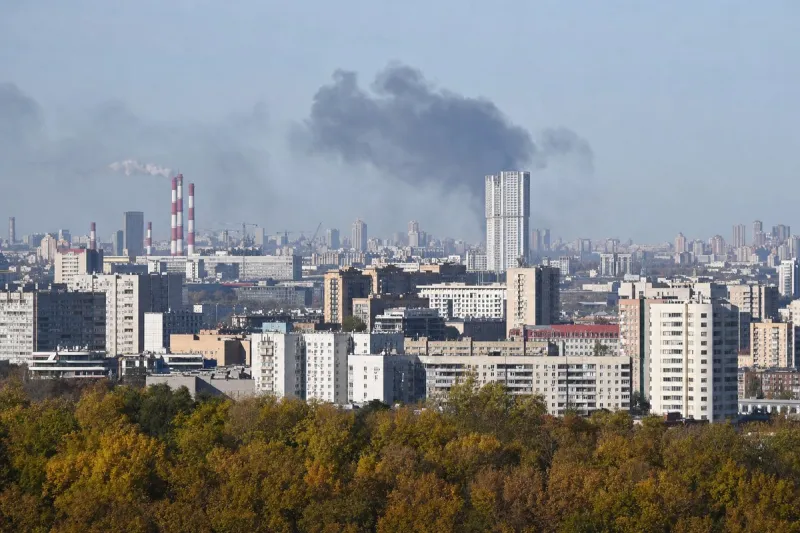
A photo caption accompanying the report shows flames burning at a facility belonging to Saudi oil company Aramco south of Riyadh, dated October 3, 2026.
Industry impact & what to watch
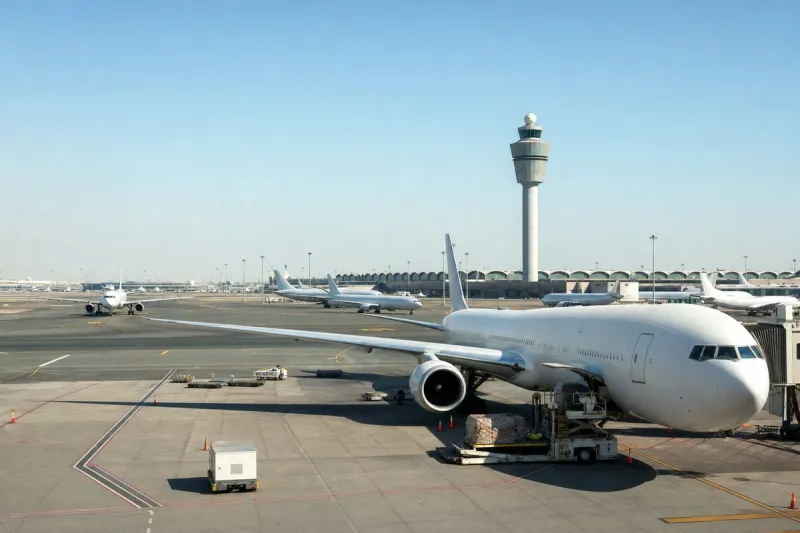
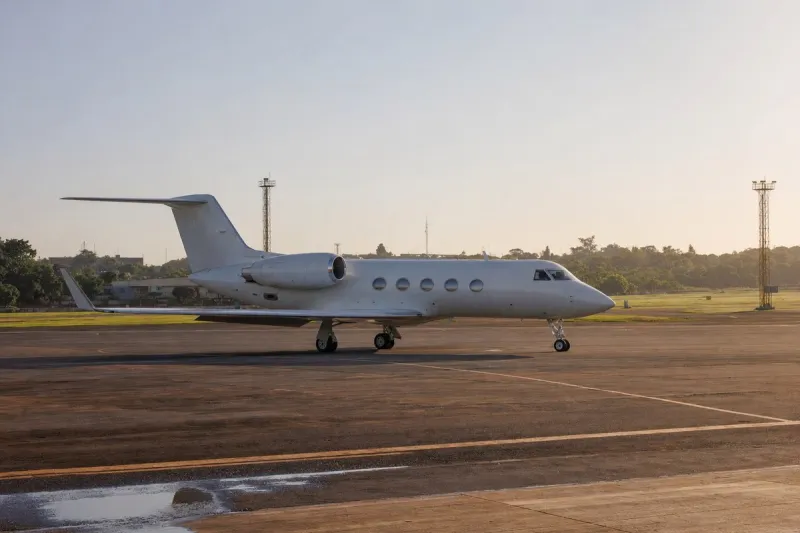
When airports are named as targets, even in an unconfirmed claim, flight planners treat the whole surrounding airspace as a risk question. For business aviation, the practical exposure sits less in the airports themselves than in the routings, alternates and ground handling that depend on them. Riyadh and Dammam are named in the claim, and that alone is enough to put planning assumptions for the region under review.
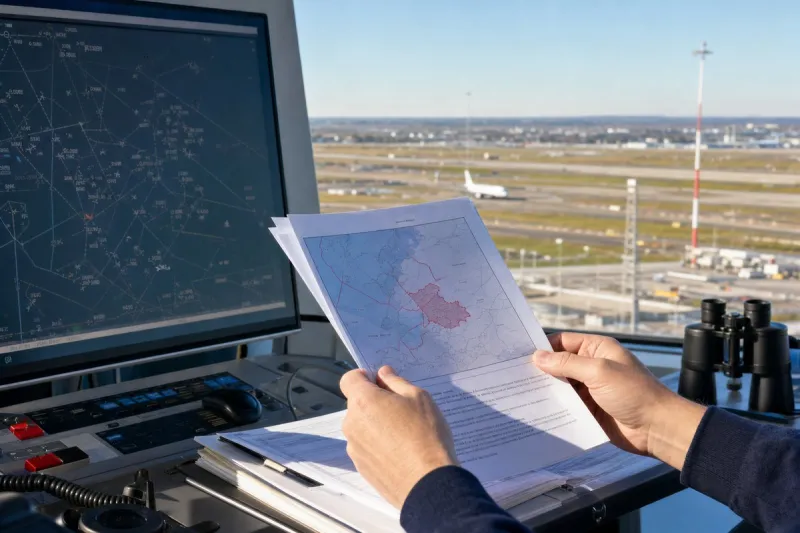
Charter operators, trip-support providers and insurers generally react to a claimed attack before it is verified, because their decisions rest on risk assessment rather than on settled confirmation. Notices to airmen, civil-aviation authority statements and any change in war-risk cover are the places where such a claim becomes an operating constraint.
The decisive next signal is a response from Saudi authorities, whether a confirmation, a denial or an airspace or airport notice. Until one arrives, the Houthi claim and the reported targets are all there is to go on.