Riyadh's King Khalid International Airport resumes flights on October 27 after roughly two-week closure
Why It MattersA capital-city hub that must clear security checks and individual approvals for every movement shifts cost and scheduling risk onto airlines, favouring carriers able to relocate aircraft and absorb irregular operations.
What happened
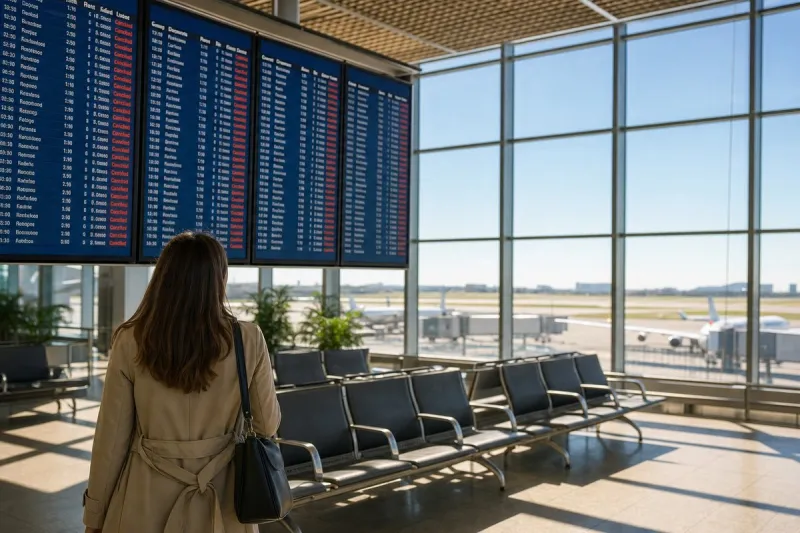
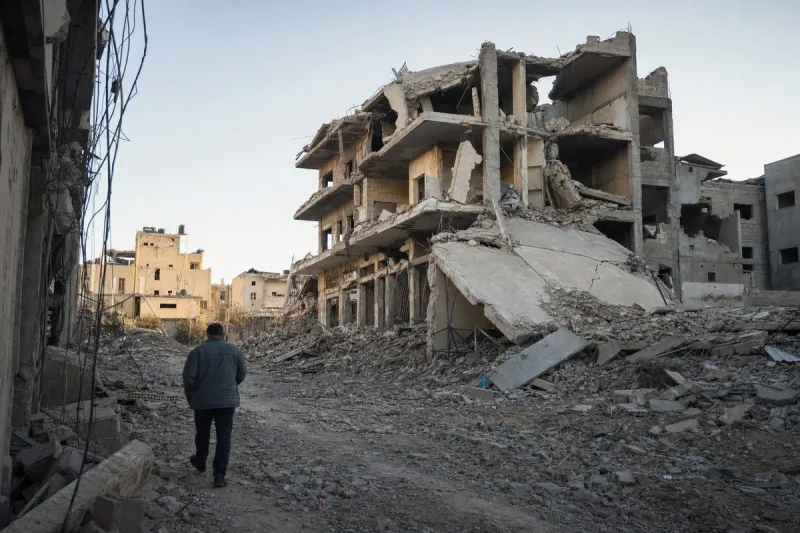
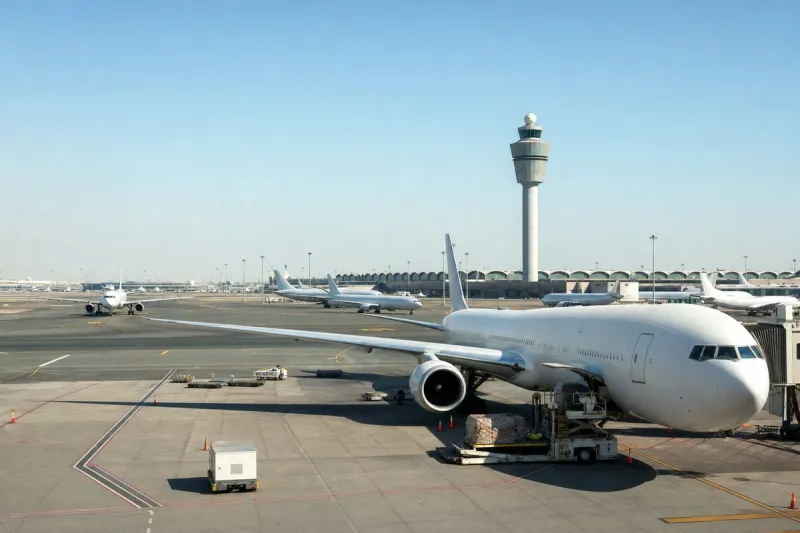
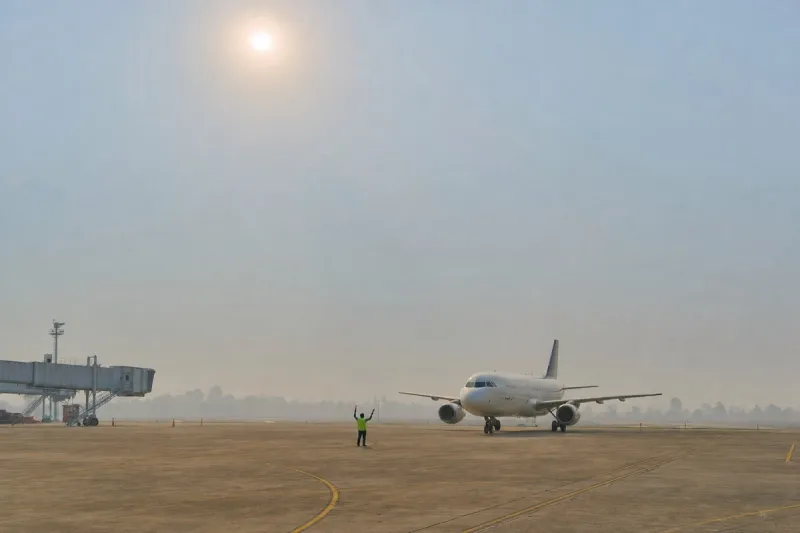
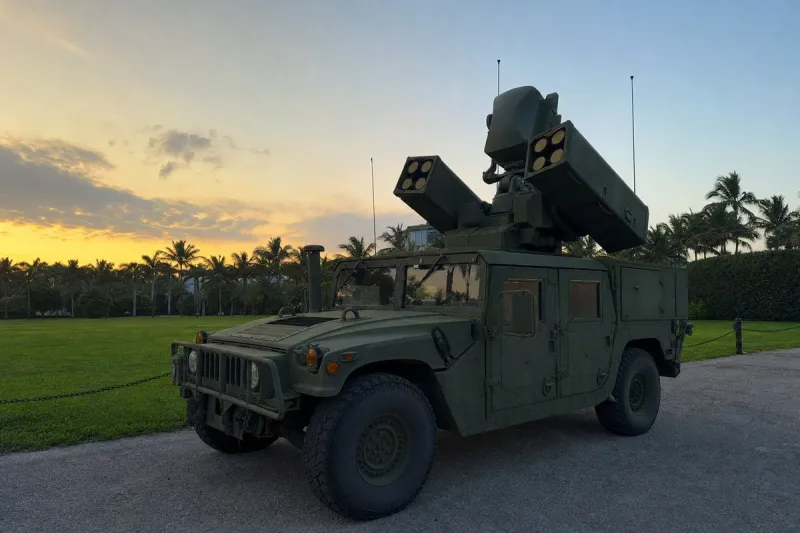
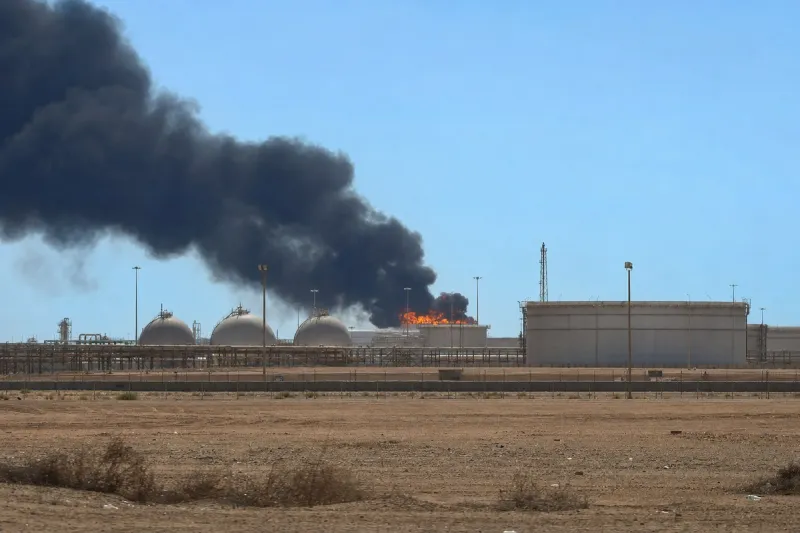
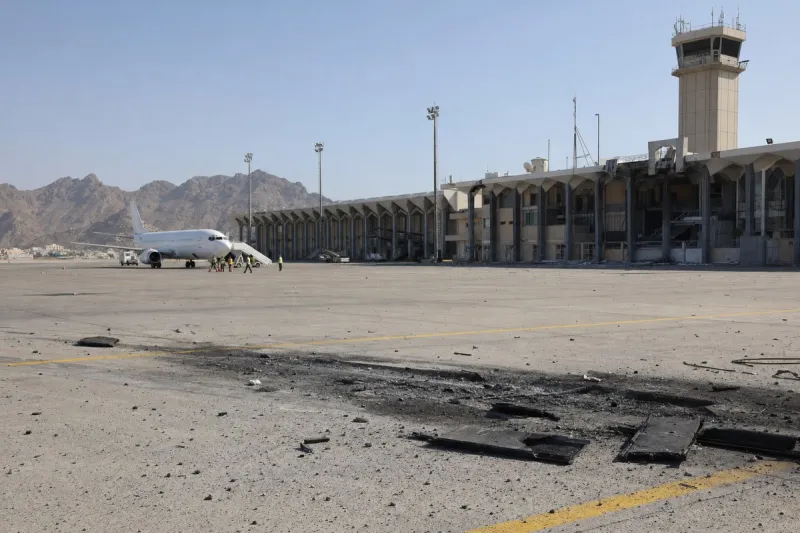
King Khalid International Airport (RUH) in Riyadh gradually resumed passenger and flight operations on October 27, 2026, after an interruption of roughly two weeks. Authorities had suspended civilian flight operations in mid-October 2026. The reopening followed security checks made necessary by repeated drone and missile attacks by Yemen's Houthis on the Saudi capital, which damaged the terminal area and caused injuries.
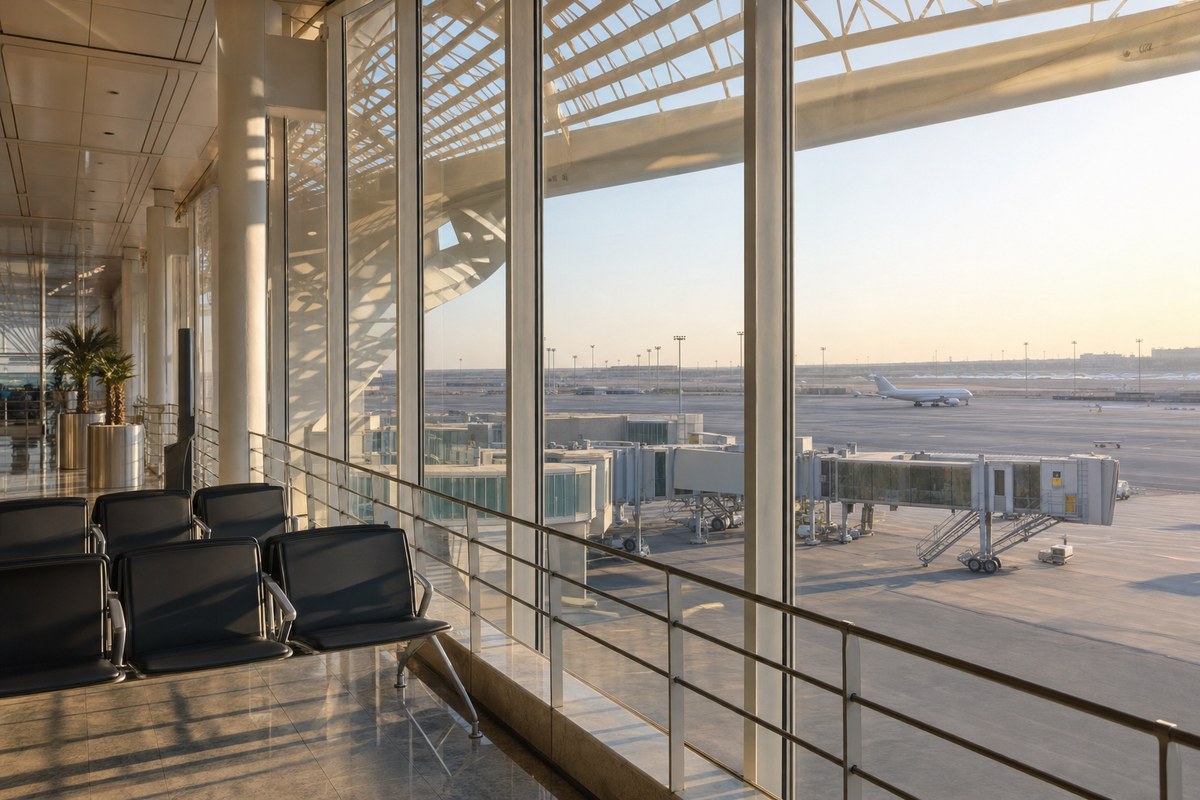
On the reopening day, international flights to London, Beijing and Dubai resumed for the first time since mid-October. Saudi airlines Saudia and flynas gradually ramped up domestic services.
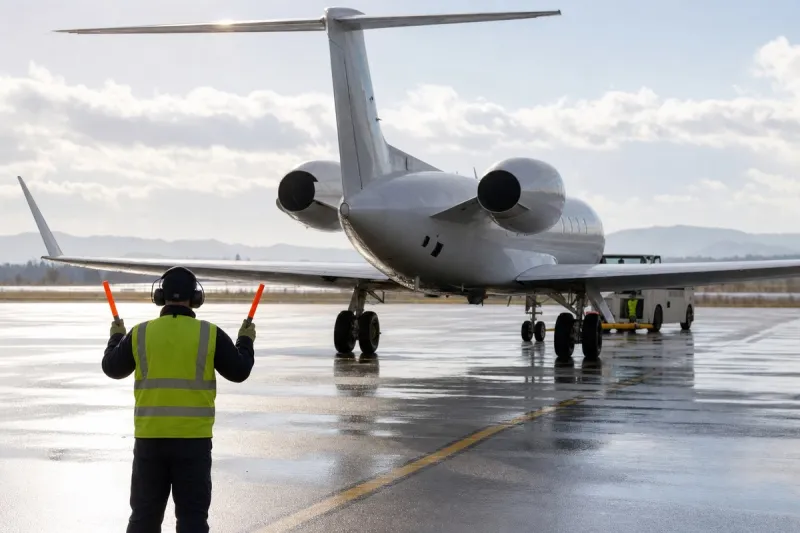
The Saudi Civil Aviation Authority (GACA) requires international and domestic airlines to carry out additional security checks and obtain individual approvals before every takeoff and landing at the airport. Airlines are monitoring the security situation along routes over the Arabian Peninsula to decide whether to continue or suspend flights.
Riyadh Air's workaround at Al-Qassim
Riyadh Air relocated a large portion of its active Boeing 787-9 fleet from Riyadh to Al-Qassim Airport (ELQ) near Buraida, about 400 kilometers to the north, to protect the aircraft against potential attacks on the capital's infrastructure.
From Al-Qassim the airline operates a reduced schedule to Cairo, Jeddah, Dhaka, London Heathrow, Lahore and Islamabad. It also provides a bus shuttle from check-in points in Riyadh to Al-Qassim for passengers whose flights were originally scheduled from the capital.
Industry impact & what to watch
Riyadh is the focal point of Saudi Arabia's Vision 2030 plan to expand international transport capacity and establish the city as a central hub for Middle East passenger flows. An airport that needs a separate approval before each takeoff and landing cannot yet carry that role at normal throughput, and each approval step adds ground time and planning load for every airline serving it.
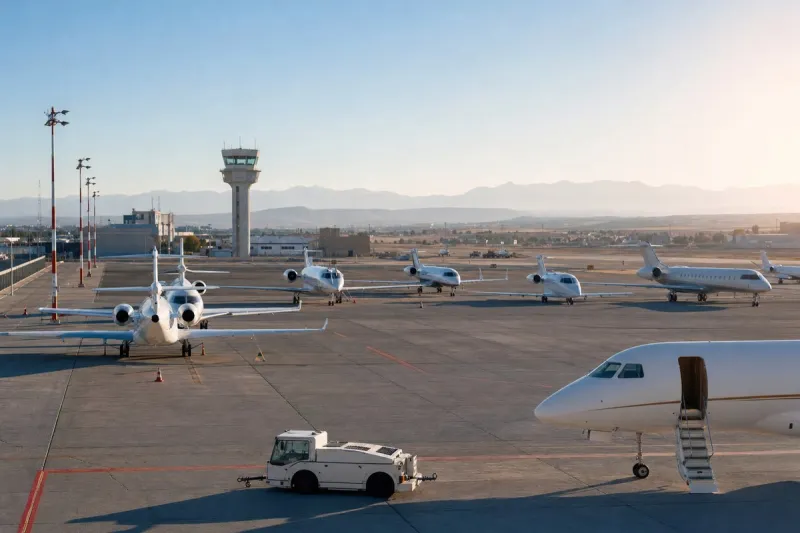
The Riyadh Air response shows how hub risk is handled in practice: aircraft are parked at a secondary airport 400 kilometers away, and passengers are bused to meet them. That keeps a reduced network flying, but it raises organizational costs and forces schedule adjustments, and it favours carriers with spare airport options and fleets large enough to split across bases. Business-aviation traffic into the capital faces the same approval and routing constraints, and flight planning over the Arabian Peninsula now depends on the security picture along each route.
The next milestones are GACA's treatment of the per-movement approval requirement and whether the airlines that resumed on October 27 keep their services running or suspend them again.