UK Tightens Middle East Travel Warnings as Conflict, Airspace Closures Disrupt Flights
Why It MattersLayered government advisories, airspace closures and insurance exclusions now compound each other for Gulf and Levant routes, making route viability a regulatory and coverage question as much as an operational one.
What happened
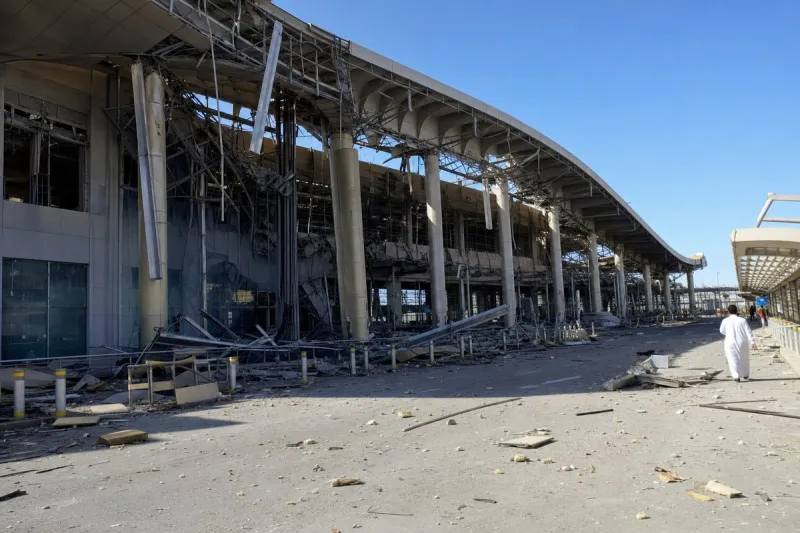
The United Kingdom has tightened its travel warnings across parts of the Middle East as regional tensions, missile and drone attacks, and renewed conflict in Yemen and along Israel's borders raise risks for British holidaymakers and business travellers. Updated Foreign, Commonwealth and Development Office advisories place Israel, the Occupied Palestinian Territories, Lebanon, Iran, Iraq, Syria and Yemen among the locations subject to the strongest warnings. Guidance on Palestine notes that a ceasefire agreed in April 2026 has not removed the risk of further attacks or civil unrest.
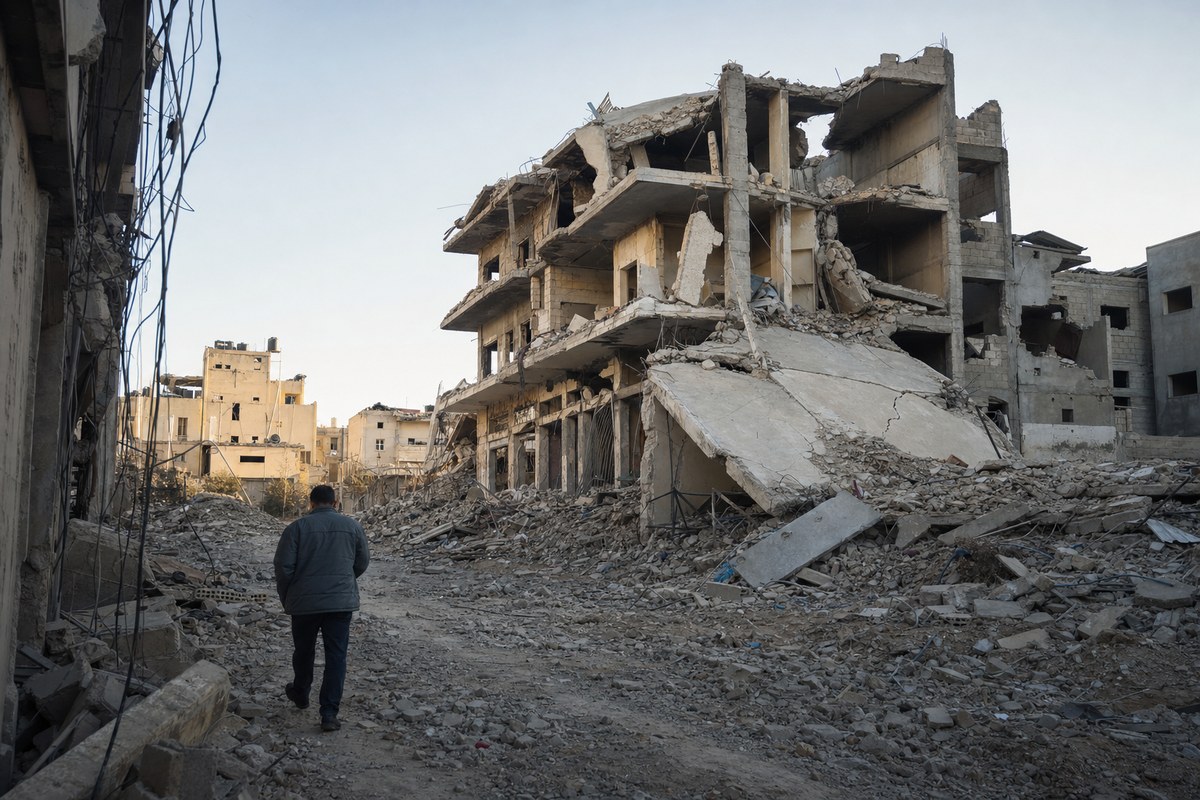
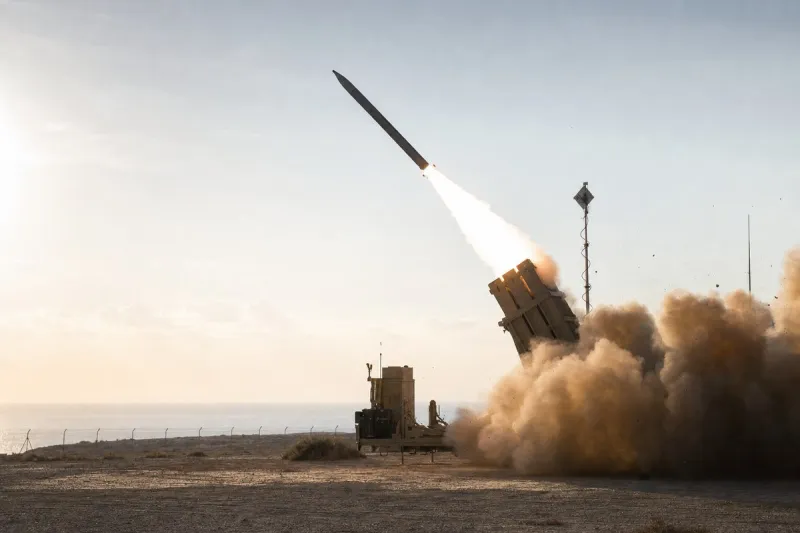
The warnings are linked to a renewed flashpoint around Yemen and the Red Sea, where Houthi forces have intensified attacks on Saudi territory and commercial infrastructure. UK statements condemn Houthi threats against Saudi Arabia, including plans for a maritime blockade, and highlight the danger to navigation through the Red Sea and the Bab el-Mandeb Strait. Maritime security bulletins say Houthi attacks on shipping since 2025 have targeted vessels with links to the UK, the United States and Israel. Brent crude was reported at around 100 US dollars a barrel in October 2026.
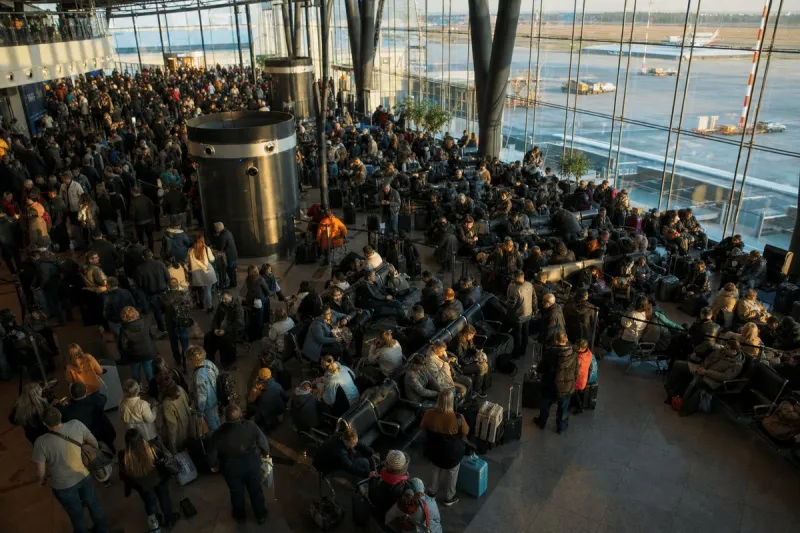
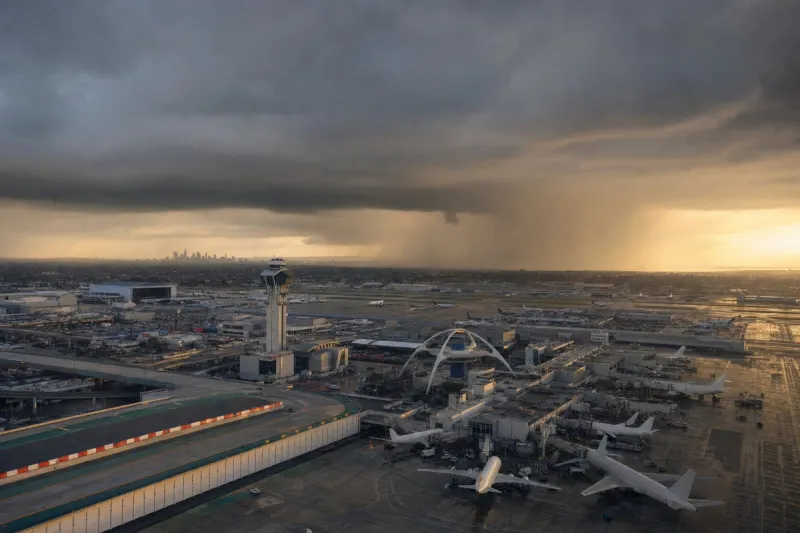
Air travel has been directly affected. UK Civil Aviation Authority guidance issued in early 2026 notes disruption on routes linking the UK with the Middle East and Cyprus. Industry notices compiled in March 2026 point to full or partial airspace closures over Iran, Israel, Qatar, Bahrain, Kuwait, Iraq, Syria and the United Arab Emirates, with significant disruption reported in Saudi Arabia, Oman, Jordan, Lebanon and Egypt. In June 2026, some airlines extended suspensions of flights to Beirut and Dubai, while others restored limited links to Tel Aviv.
Industry briefings state that when the Foreign Office advises against all travel or all but essential travel, standard travel insurance often stops covering new trips. Travellers whose package holidays are cancelled or significantly altered because of related flight disruption are entitled to a full refund or a suitable alternative from their tour operator. The CAA advises passengers to contact their airline, travel agent or package organiser promptly and keep written records of changes.
How it unfolded
Brent crude is reported at around 100 US dollars a barrel as the Yemen and Red Sea flashpoint continues.
Some airlines extend suspensions of flights to Beirut and Dubai, while others restore limited links to Tel Aviv.
A ceasefire is agreed in Palestine, though Foreign Office guidance says it has not removed the risk of further attacks or civil unrest.
Industry notices compile full or partial airspace closures over Iran, Israel, Qatar, Bahrain, Kuwait, Iraq, Syria and the United Arab Emirates, with significant disruption in Saudi Arabia, Oman, Jordan, Lebanon and Egypt.
UK Civil Aviation Authority guidance notes disruption on routes linking the UK with the Middle East and Cyprus.
Industry impact & what to watch
Government travel advisories do more than inform: they set the conditions under which insurers, tour operators and airlines decide whether a route can be sold at all. When the Foreign Office moves a destination to advice against all or all but essential travel, standard insurance often stops covering new trips, and that quietly removes a layer of demand protection even where aircraft can still physically fly. For scheduled carriers and charter operators serving the Gulf and Levant, route viability therefore depends on three things moving together: airspace status, advisory level and insurance availability.
The pattern in the Middle East this year is of closures and suspensions that arrive in overlapping stages, with some carriers restoring limited links, as in Tel Aviv, while others extend suspensions, as in Beirut and Dubai. Operators of business aircraft and charter brokers face the same stacking of constraints, since overflight permissions, war-risk coverage and crew duty planning all shift when neighbouring airspace closes. Fuel is part of the same equation: Brent near 100 US dollars a barrel in October 2026 raises the cost of every rerouting that adds flight time.
The next signals are the ones the advisories themselves would carry: any change in the Foreign Office warning level for the listed countries, CAA guidance updates on Middle East and Cyprus routes, and whether Red Sea shipping threats tied to the Houthis widen beyond the vessels already targeted.