NTSB Preliminary Report: Witnesses Saw Tail Wag Before Aeronca 7AC Rolled and Dived in Fatal Hesperia Crash
Why It MattersLow-altitude loss-of-control accidents in light training aircraft hinge on pilot experience, loading and engine health, which is why preliminary reports stop at witness accounts and leave cause to the full investigation.
What happened
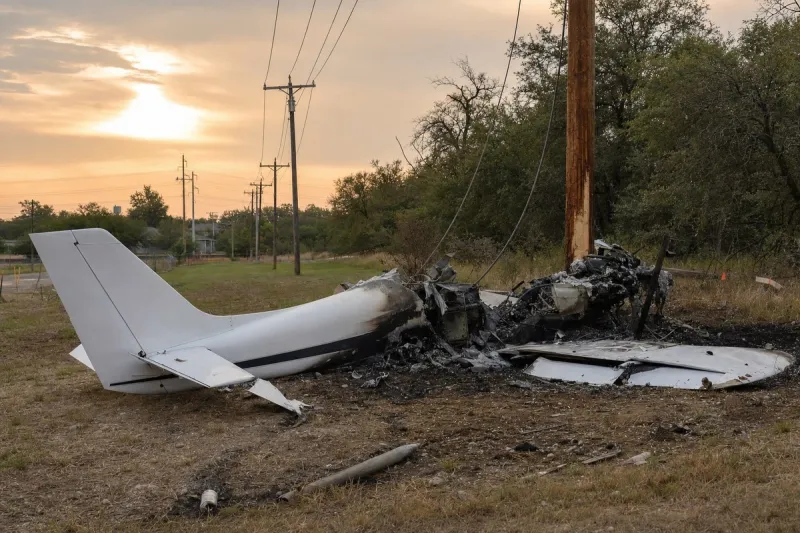
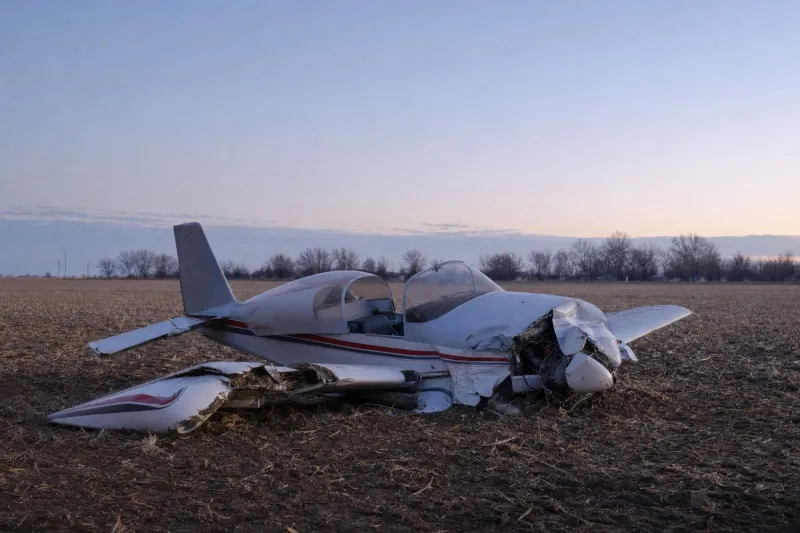
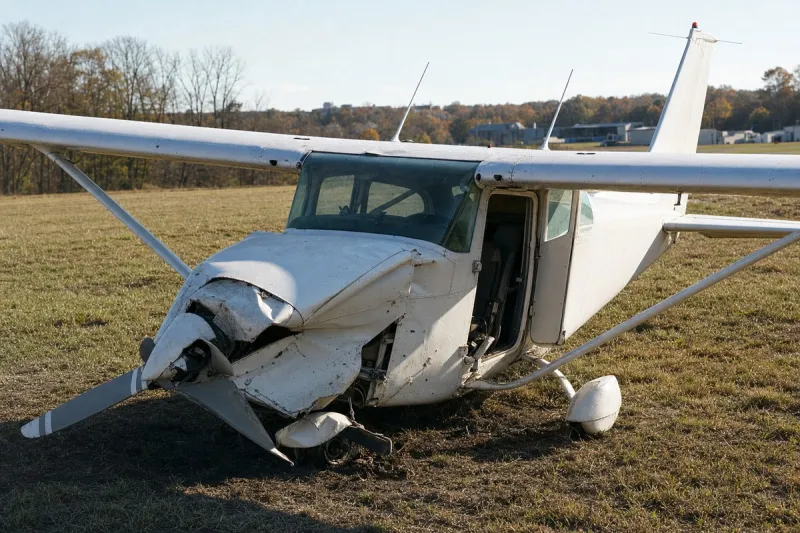
A preliminary report released Tuesday by the National Transportation Safety Board (NTSB) says witnesses to a Sept. 24 plane crash in Hesperia saw the tail of the airplane wag back and forth before it rolled over and nose-dived toward the ground. Two people were killed: the flight instructor and a passenger.
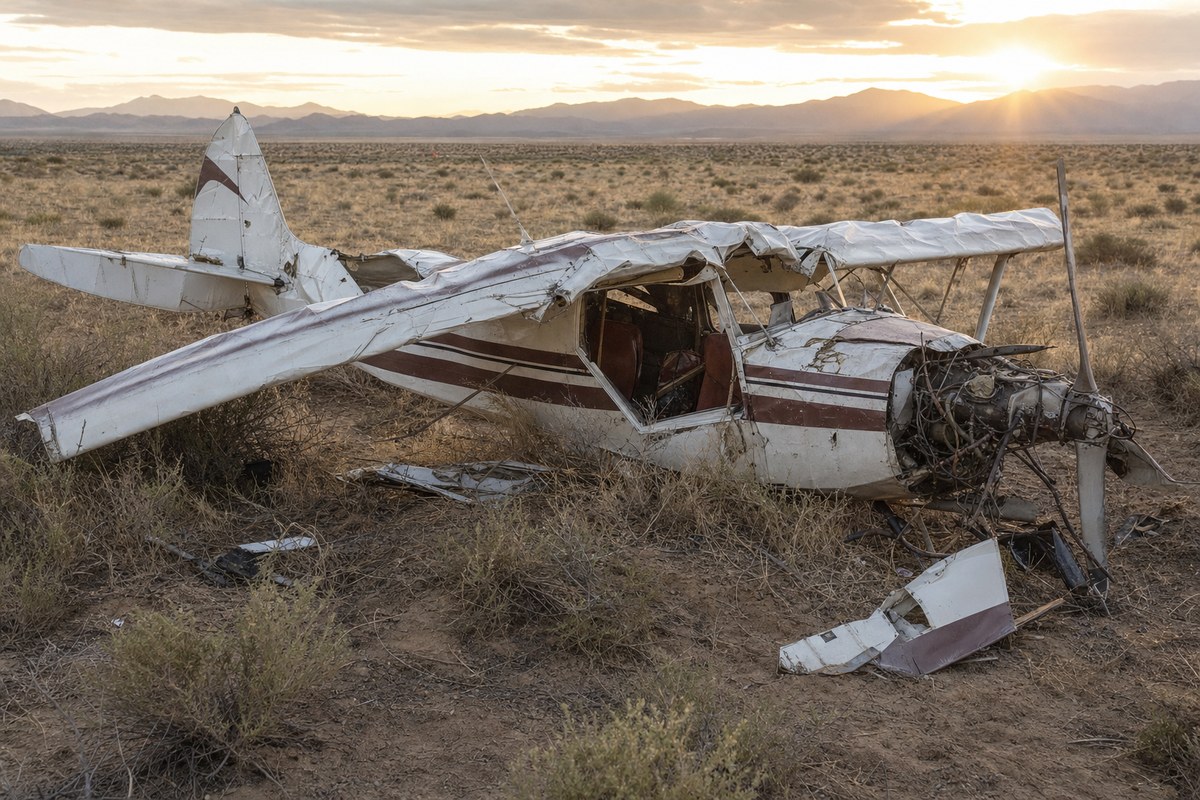
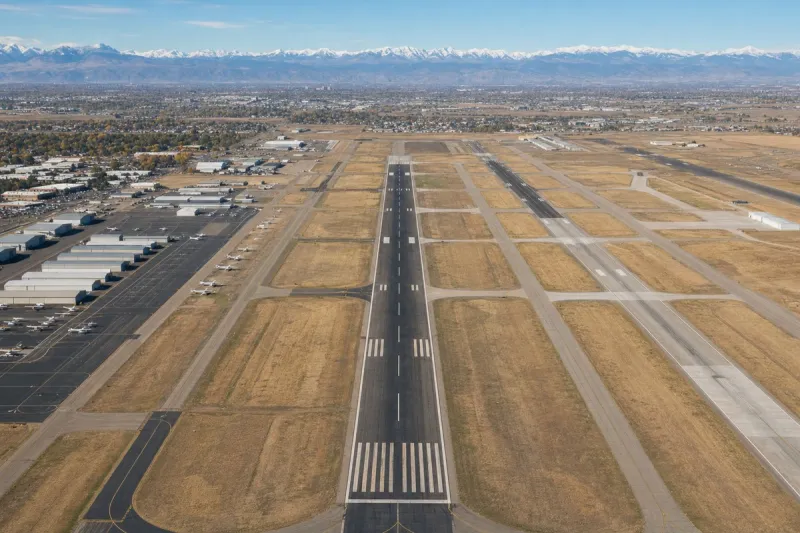
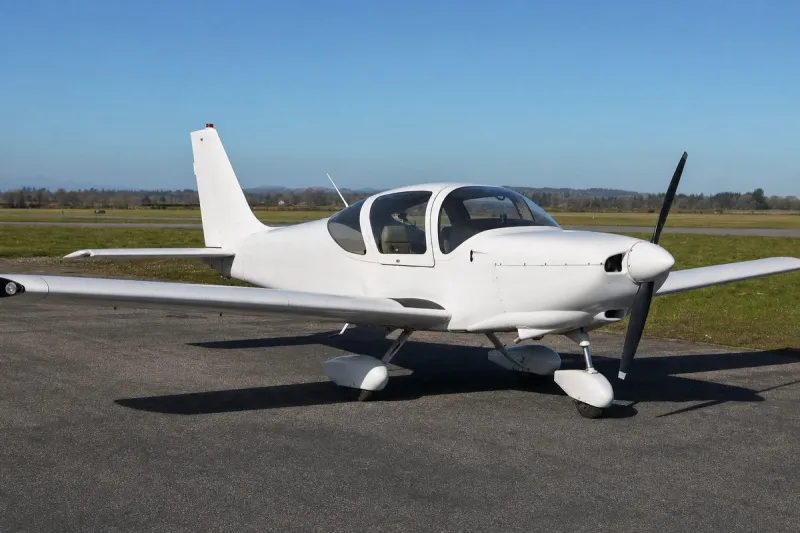
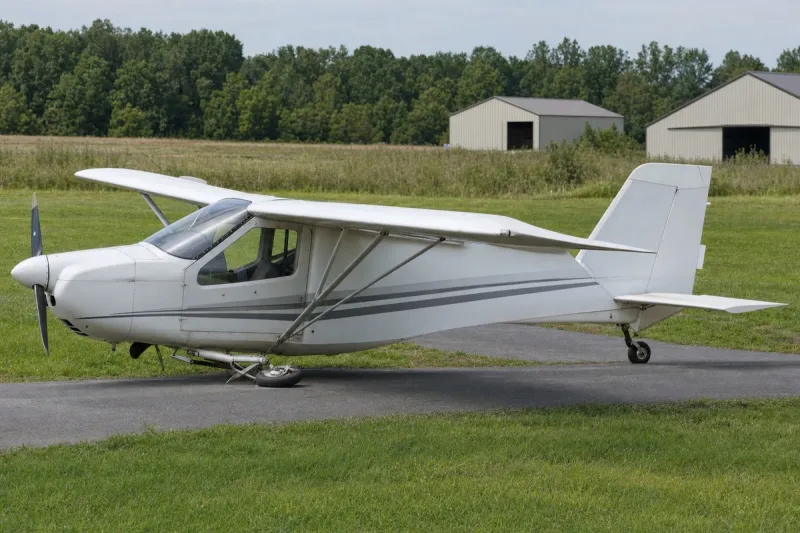
The aircraft was a two-seat, single-engine Aeronca 7AC Champion. It came down about 1.5 miles southwest of Hesperia Airport, in open desert, at around 9:45. The pilot had rented the aircraft that morning and departed from Apple Valley.
Pilot and former Air Force flight instructor Juan Browne said the report and the witness statements point toward a departure stall, in which an airplane climbs too steeply and loses airspeed. He said the investigation will likely examine pilot experience, whether the aircraft was overloaded, and whether the plane had engine problems. Browne described the Aeronca 7AC as a good training aircraft with "not a lot of excess power."
Browne added that pilots are trained to recover from a departure stall by pointing the nose downward rather than pulling up, and that this is difficult at low altitude.
Industry impact & what to watch
Accidents of this profile sit in a well-known risk category for light training and rental aircraft: loss of control shortly after departure, when altitude is too low to trade for airspeed. A preliminary NTSB report records what witnesses saw and what the wreckage showed. It does not assign a cause, and Browne's departure-stall reading is one pilot's interpretation of that record, not a finding.
The factors Browne lists are the ones that typically decide such cases: the pilot's experience, the loading of the aircraft, and the condition of the engine. A low-powered type like the 7AC leaves little margin if any of the three is off, which is why investigators examine them together rather than in isolation.
The next step is the NTSB's full investigation. Its final report is where cause is determined, and it is the document that would confirm or rule out the departure stall, an overload or an engine problem.