Houthis Again Threaten Attack on Riyadh's King Khalid International Airport Ahead of Partial Flight Resumption
Why It MattersA resumption announced under an active strike threat shows how airport reopening in a conflict-adjacent state becomes a security judgment, with domestic and national-carrier traffic restored first and everything else held back.
What happened
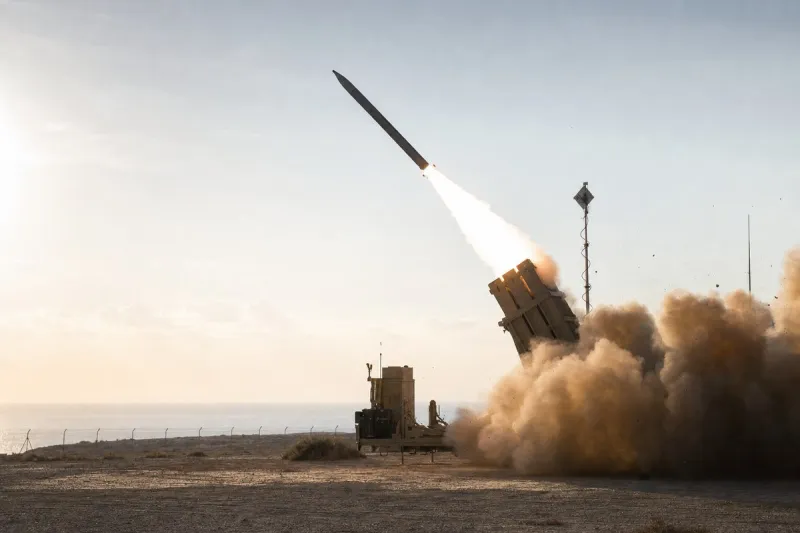
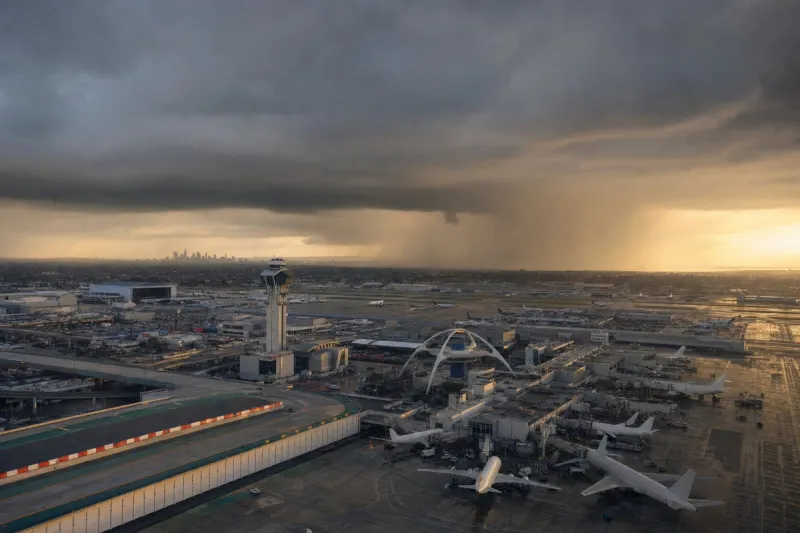
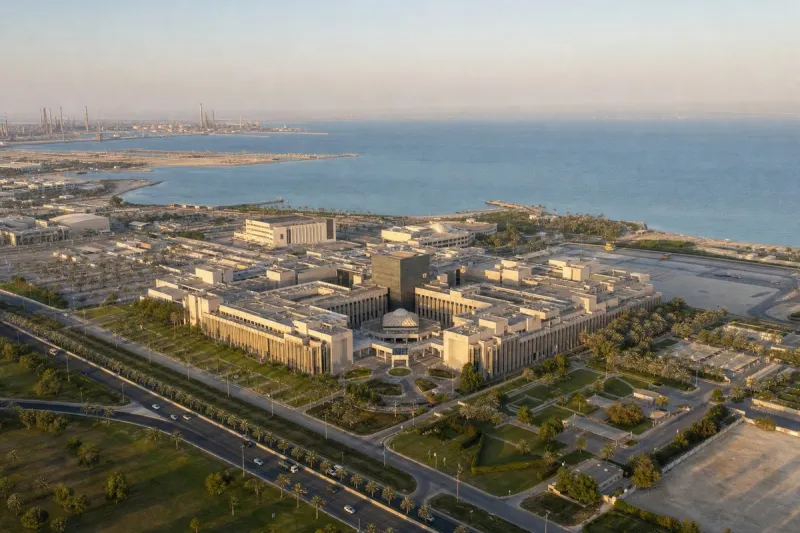
On 25 October, the Yemeni Houthi group again threatened to attack King Khalid International Airport in Riyadh, Saudi Arabia. Group spokesperson Yahya Saria described the airport as a military target and urged airlines, airport staff and passengers not to use it.
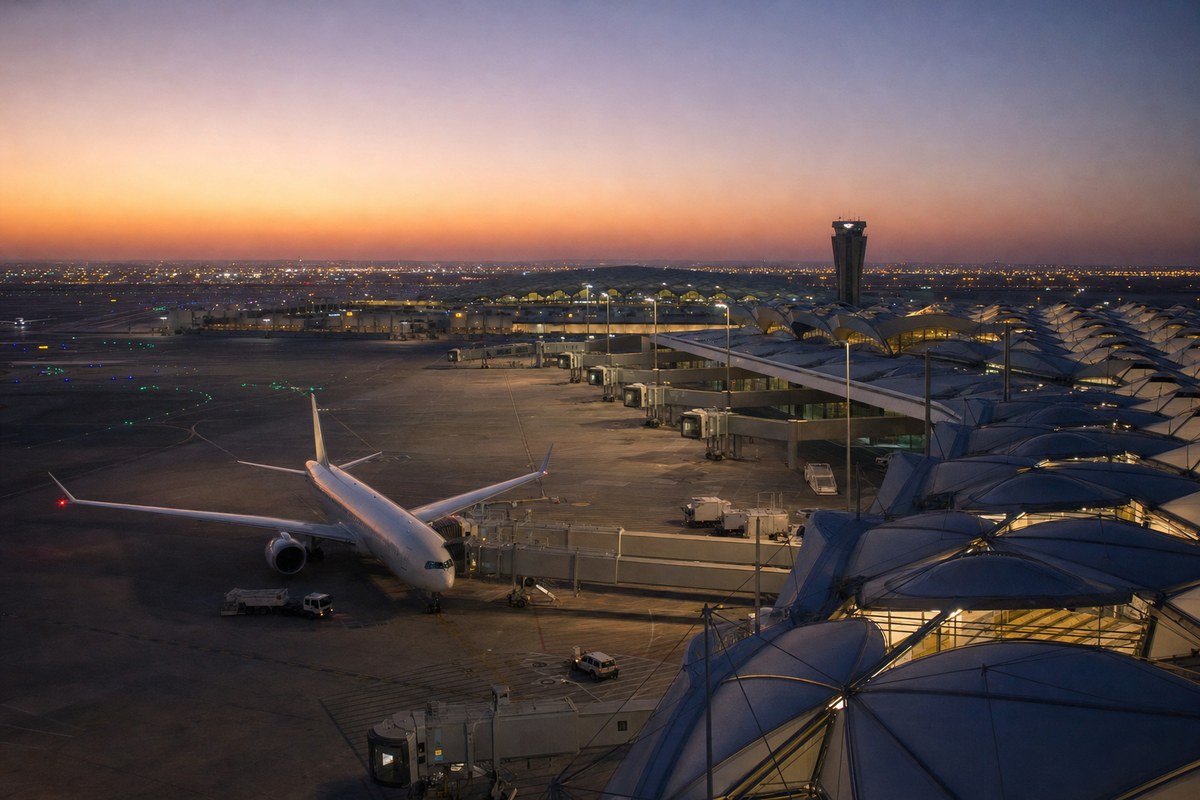
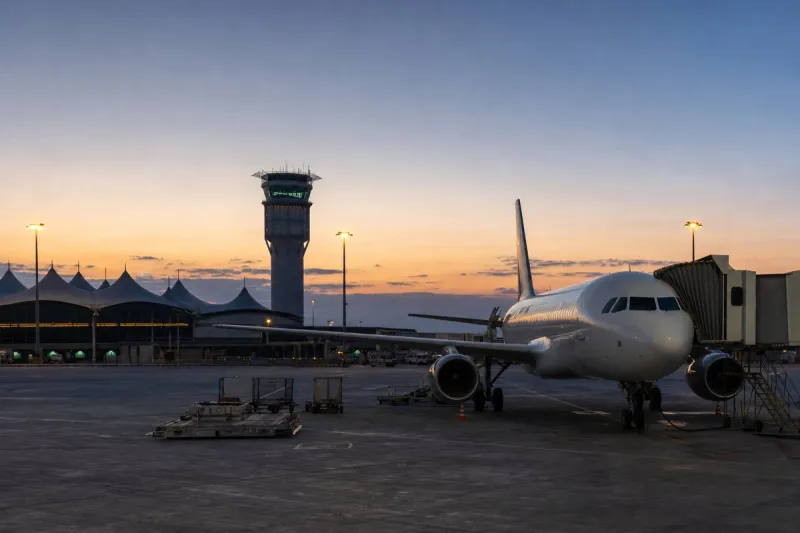
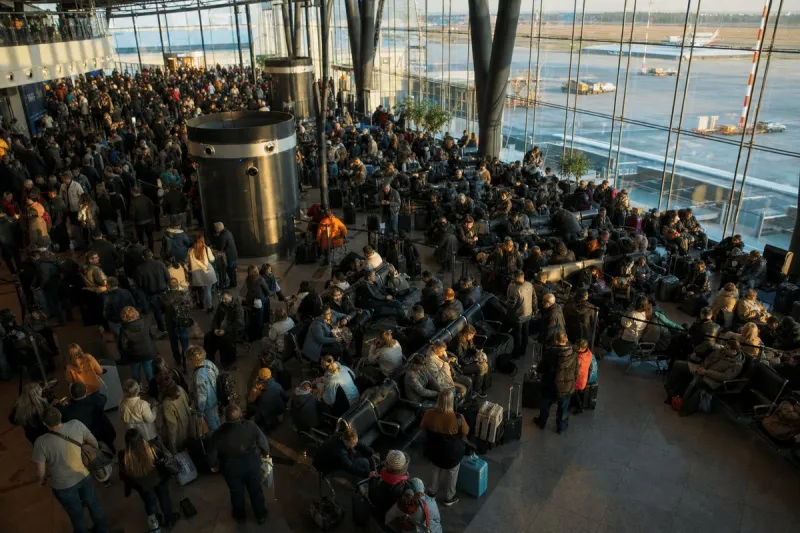
The warning came hours after the airport announced a partial resumption of flights, which had been suspended after an attack on 10 October. On the evening of 24 October, airport management said that from 25 October the first terminal would be used for domestic flights and the second for international flights operated by Saudi Arabian national airlines.
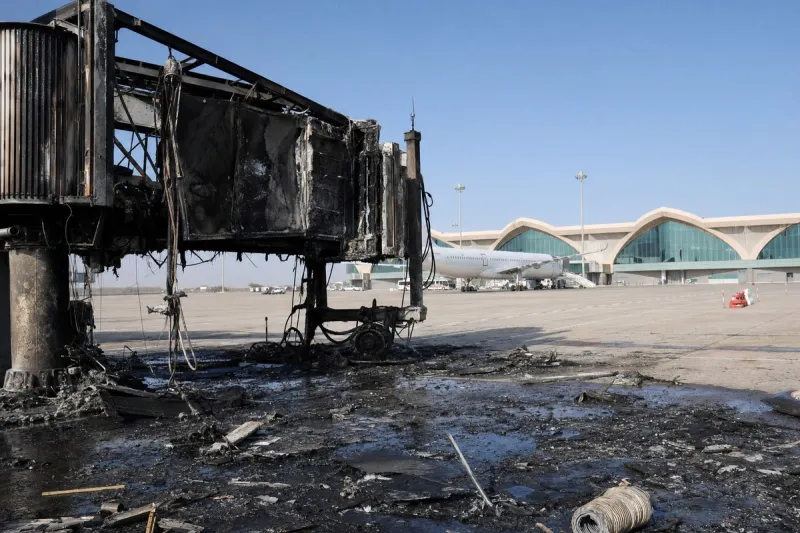
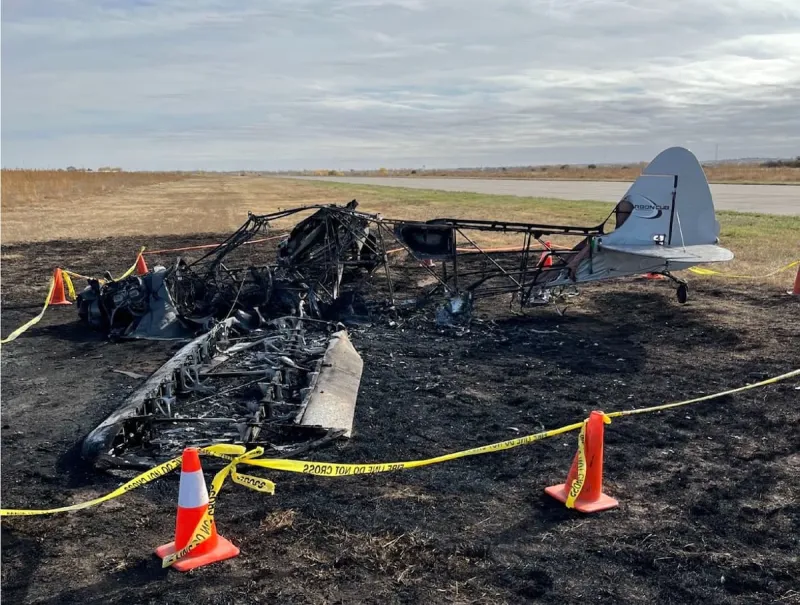
The 10 October attack, which the Houthis claimed responsibility for, killed 13 people and injured more than 300, and it was described as one of the worst attacks on Saudi soil in the past decade. After it, the airport authorities introduced restrictions that were later extended.
The Houthis are an Iran-backed Yemeni armed group that controls a significant part of northern Yemen and has repeatedly used missiles and attack drones against infrastructure in Saudi Arabia. Decisions on specific flights, route changes or flight restrictions will be taken by the relevant aviation authorities and carriers.
Industry impact & what to watch
A reopening that is split by terminal and by carrier nationality is a security-driven design. Domestic flights and Saudi national airlines come back first, while foreign operators are left out of the first phase. For a capital-city hub, that sequencing is how a state restores connectivity while limiting how many outside crews, aircraft and passengers are exposed on the ground.
A public threat issued within hours of the reopening announcement puts every operator's risk assessment back on the table. Insurers, flight-planning teams and charter or business-aviation planners who use Riyadh typically weigh a stated threat against the airport's own operating notices and the authorities' guidance, and the two do not always point the same way. Decisions on individual flights and routes sit with the aviation authorities and the carriers, so the practical signal is in their notices rather than in the threat itself.
The next markers are the airport's own announcements on how long the terminal split stays in place and whether the restrictions introduced after 10 October are extended again. Those are the steps that would show whether the partial resumption holds or is pulled back.