Middle East Tourism Faces Renewed Aviation and Security Pressures in October 2026 as Missile Threats, Flight Cancellations and Jordan Shooting Hit Confidence
Why It MattersRegional aviation and tourism growth rests on predictable access, and sustained security pressure shifts demand toward travelers willing to accept geopolitical risk, with consequences for airlines, hotels and large tourism investments.
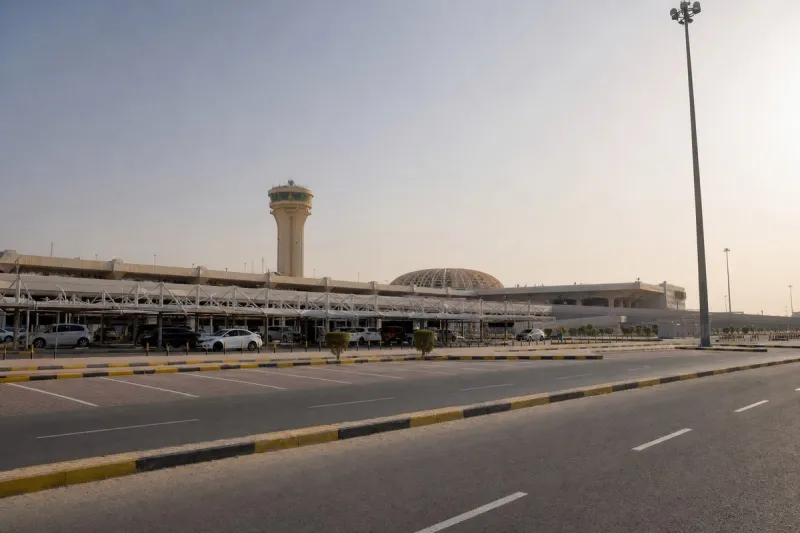
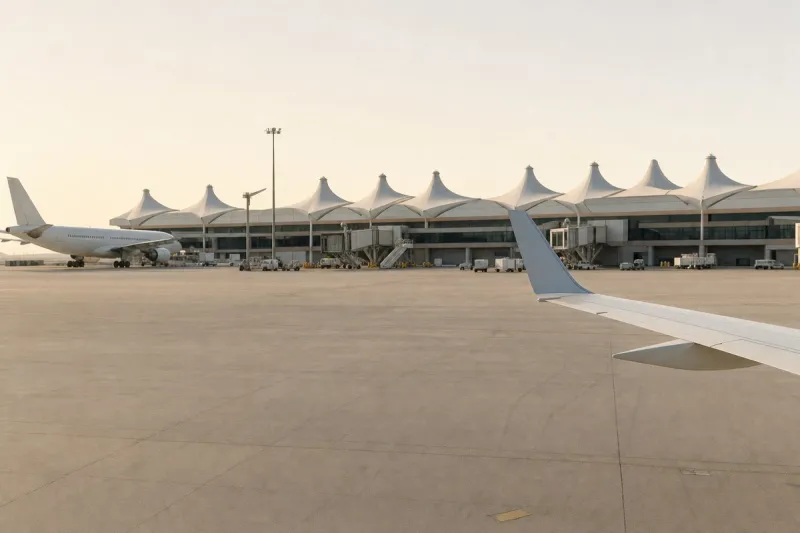
Middle East tourism is facing renewed security and aviation challenges in October 2026. Missile attacks and threats against Saudi airports, international flight cancellations, a deadly shooting in Jordan and heightened official travel warnings are affecting confidence across Saudi Arabia, the UAE, Qatar, Jordan, Iran and Israel.
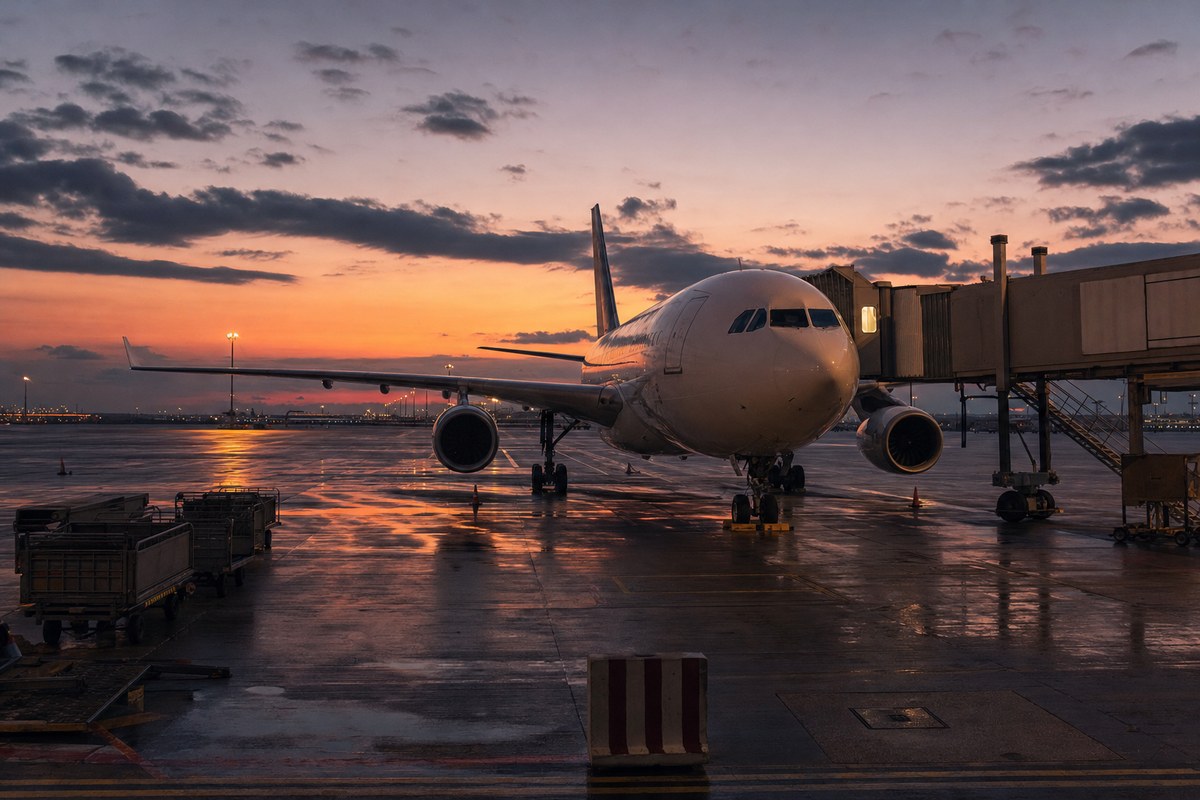
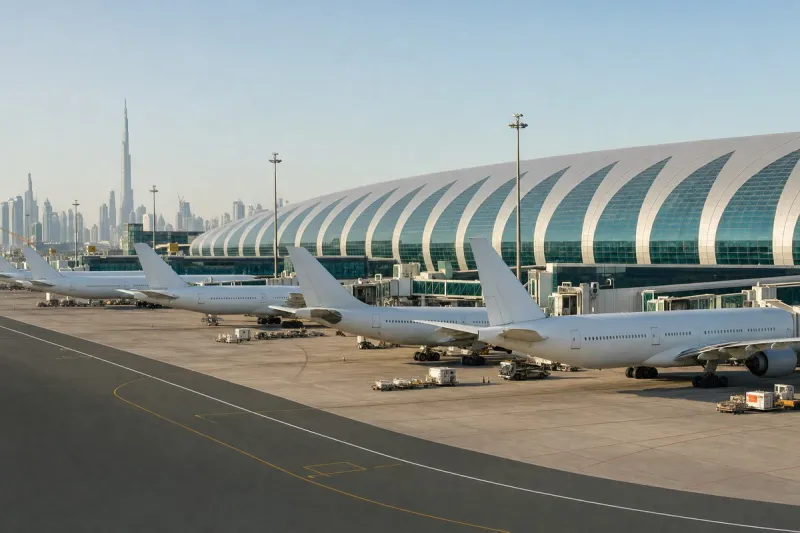
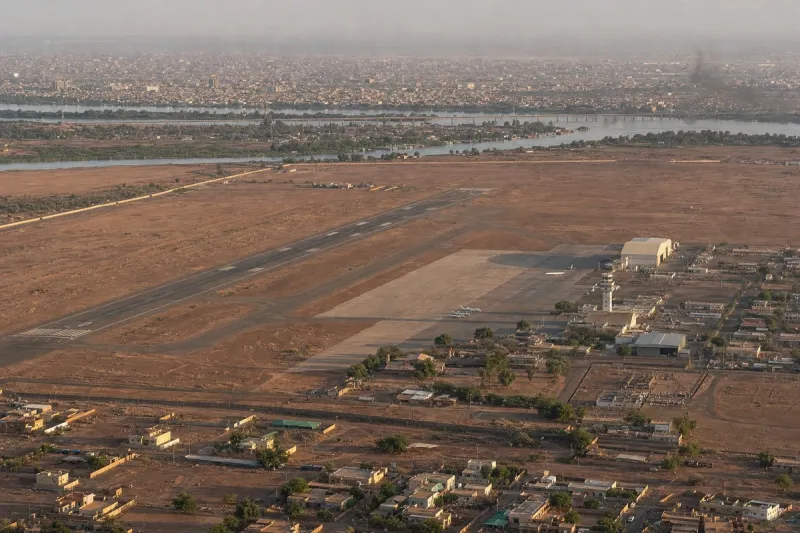
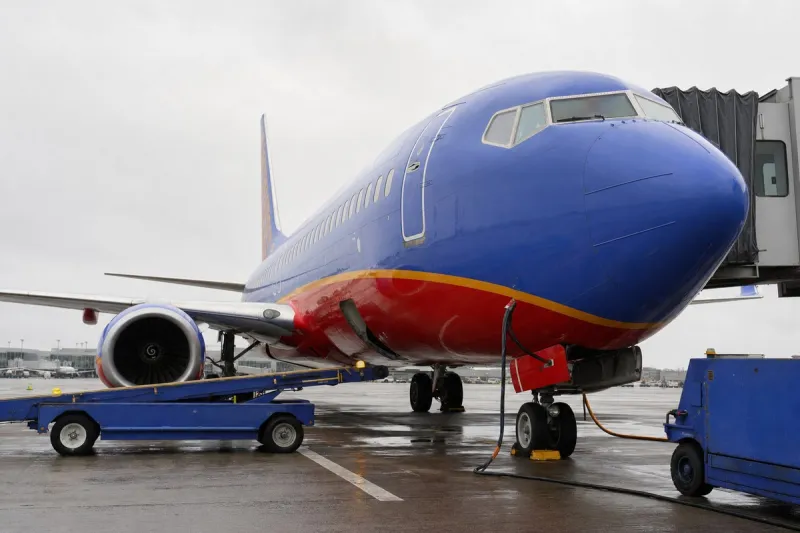
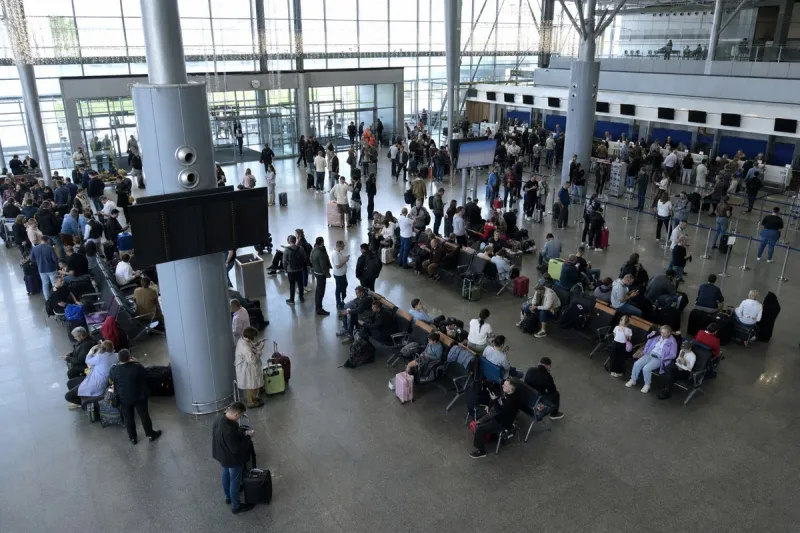
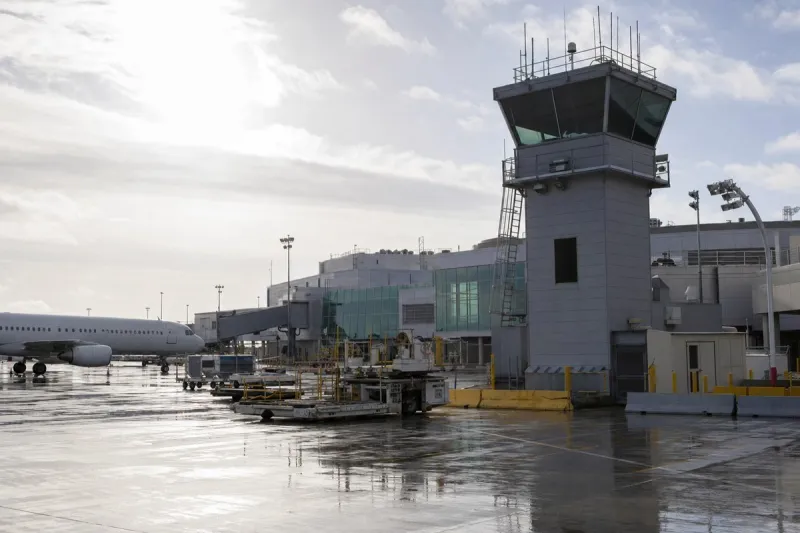
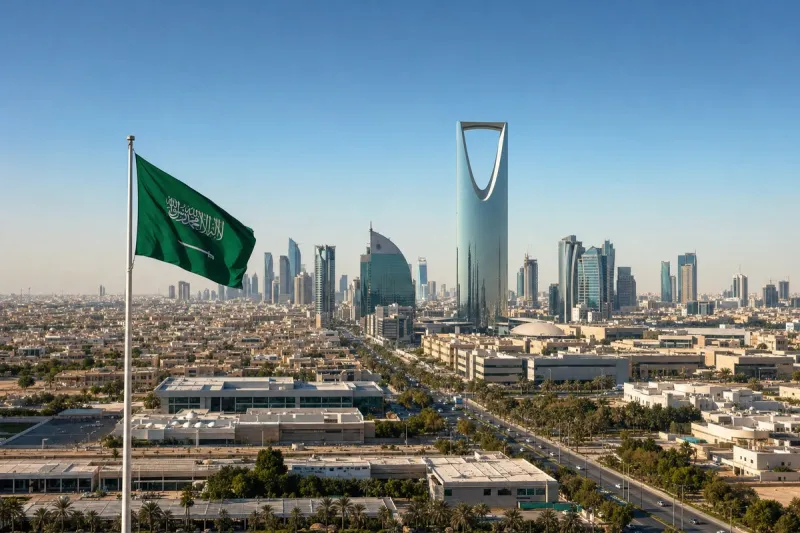
Saudi airports have faced missile threats, international airlines have suspended services, and the shooting in Jordan has prompted new official security notices. At the same time, much of everyday commercial life continues in Dubai, Doha, Riyadh and Amman: Dubai's hotels remain in business, Doha continues to welcome visitors, and Saudi Arabia is investing billions of dollars in tourism.
An eTurboNews editorial examines the practical consequences for airlines, hotels, travelers and tourism workers, as well as the geopolitical influence of US and Israeli elections and the wider Russia–Ukraine conflict. It frames the central question as whether the region's large tourism investments can deliver sustainable growth in an industry that depends on confidence and predictable access, or whether they will become increasingly dependent on travelers willing to accept geopolitical uncertainty. Saudi Arabia is presented as the clearest example of the tension between tourism development and regional instability.