Typhoon Champi Grounds Over 100 Flights in Eastern China, 62,400 Evacuated in Shanghai
Why It MattersCancellations concentrated at hub airports in one coastal corridor show how a single storm track can remove a region's airline capacity for days, a pattern that also reshapes ground and aircraft-positioning planning.
What happened
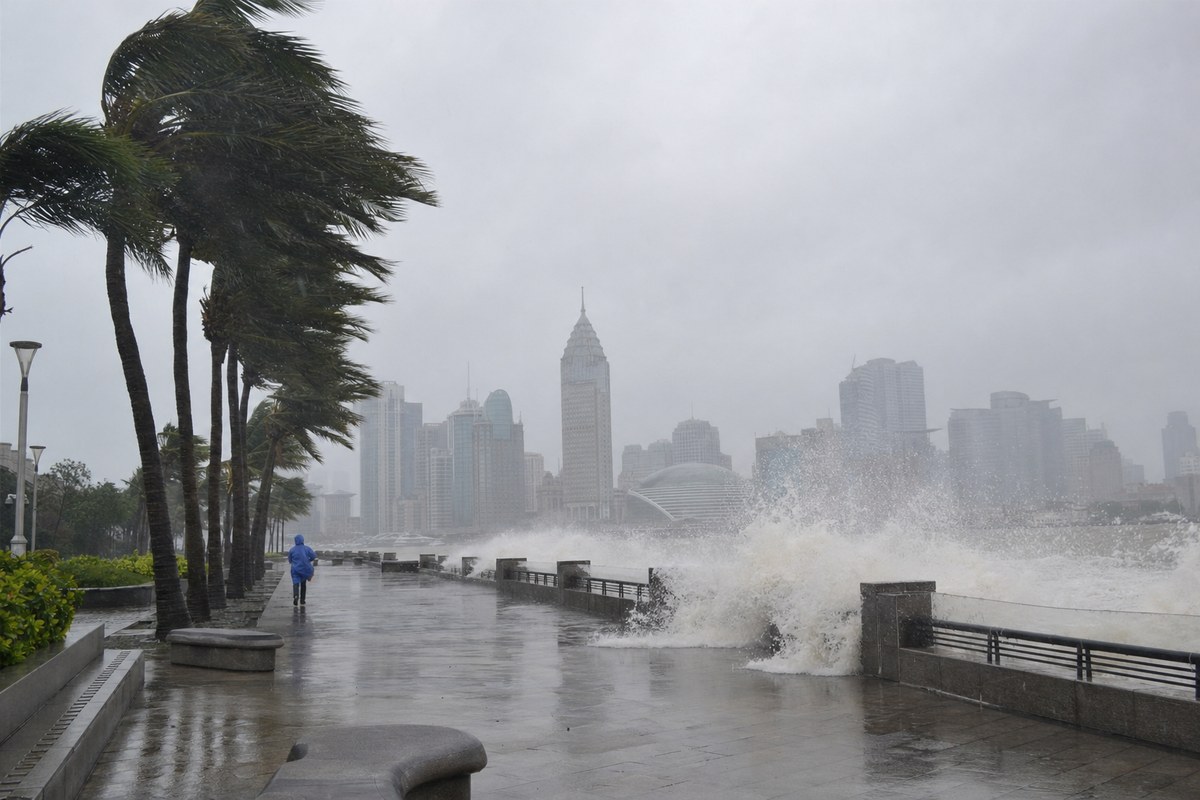
Typhoon Champi continued to hit China's eastern coast on Saturday, grounding more than a hundred flights and prompting the relocation of tens of thousands of people, while weakening as it moved towards Japan. Flights from airports in Shanghai and in Fujian and Zhejiang provinces were grounded.
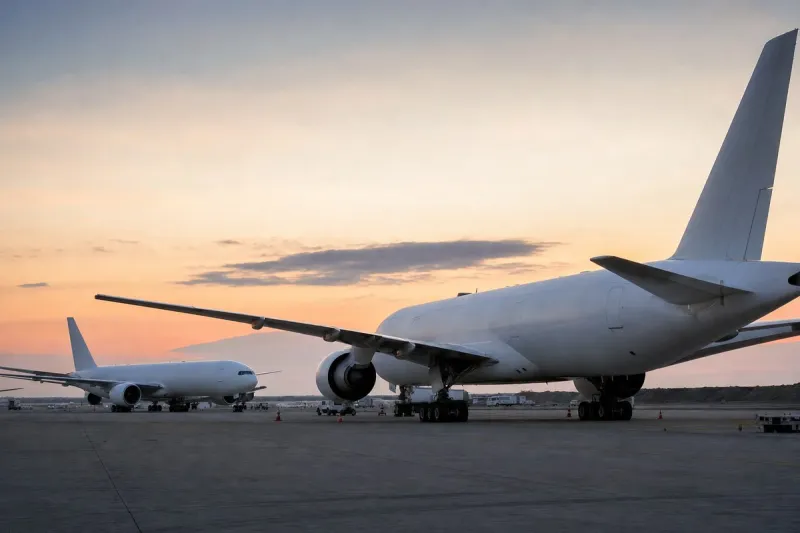
China Eastern Airlines said it cancelled 39 domestic flights to and from Shanghai's two main airports, and flights to and from Fuzhou and Wenzhou were also affected. The cities of Ningbo and Wenzhou in Zhejiang announced the cancellation of 37 and 44 flights respectively on Saturday.
Shanghai authorities evacuated about 62,400 people ahead of the storm's arrival on Friday, according to state broadcaster CCTV. China's National Meteorological Centre kept a blue typhoon warning, the lowest level in the country's four-tier system, in place on Saturday morning for the fifth straight day. The storm was expected to turn northeast along the waters off Zhejiang and head towards southwestern Japan, though it may stay close to the mainland's east coast on Sunday. The centre urged offshore workers and ships to return to port and warned coastal residents to stay away from beaches.
China's State Flood Control and Drought Relief Headquarters and the Ministry of Emergency Management activated a level-four emergency response, the lowest of four levels, for flood and typhoon control in Jiangsu province on Friday. Authorities said strong winds would persist over the southeastern waters and along the eastern coast from October 23 to 26, with heavy to torrential rain in parts of Jiangsu, Shanghai and Zhejiang.
Champi passed the northeastern coast of Taiwan in the early hours of Saturday without making landfall. The island's disaster response agency said the storm had killed one person and injured 527, and recorded 6,550 incidents such as fallen trees and damage to buildings and signs. Taoyuan International Airport in Taipei said flights would gradually resume on Saturday; it had cancelled 563 flights on Friday. Champi has been the world's strongest storm by wind speed this year, with maximum sustained winds near its centre reaching 245km/h (152mph) at 8am on Wednesday, before weakening on Thursday.
Industry impact & what to watch
Typhoon disruption in this corridor follows a recognisable sequence: scheduled airlines cancel first, concentrated at the busiest airports, and the effect spreads to neighbouring airports along the track. Here Shanghai's two main airports, Fuzhou, Wenzhou and Ningbo were all hit within days, and Taipei's Taoyuan had cancelled 563 flights the day before. When one storm path crosses several airports at once, alternate-airport options shrink for everyone, including non-scheduled traffic.
For business aviation, the practical effect is less about the cancelled airline flights themselves than about how a storm affects aircraft positioning, crew duty planning and ground handling across a region at the same time. Aircraft based at or routed through the affected airports tend to be repositioned ahead of the weather or held until winds ease, which compresses demand onto airports outside the track.
The next milestone is the storm's own course: the meteorological centre said it may stay close to the mainland's east coast on Sunday before heading towards southwestern Japan, and authorities put the strong-wind window at October 23 to 26. Whether Taoyuan's gradual resumption on Saturday holds, and when the Shanghai, Zhejiang and Fujian airports restore full schedules, will show how quickly the corridor's capacity returns.