Experts Blame Lax Regulation for Rising Private Jet Incidents in Nigeria
Why It MattersThe case shows business aviation being regulated more loosely than scheduled airlines, partly because it funds oversight systems far less, and that gap leaves a regulator's credibility exposed after each incident.
What happened
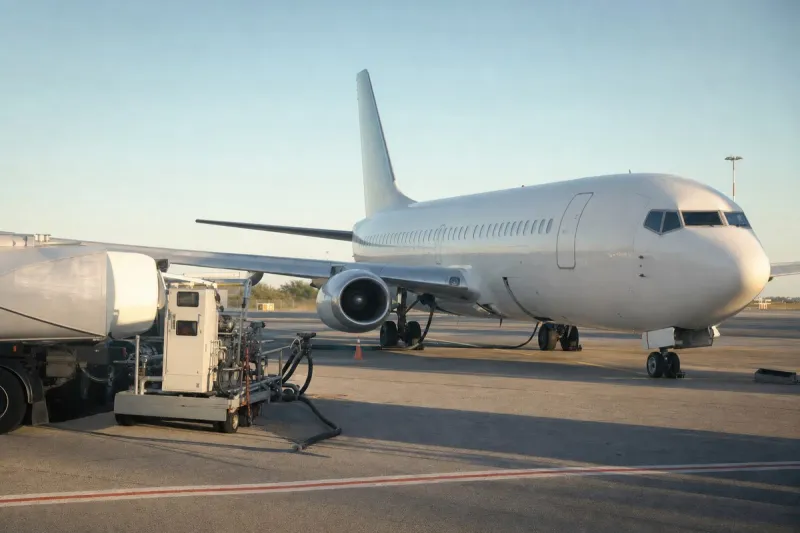
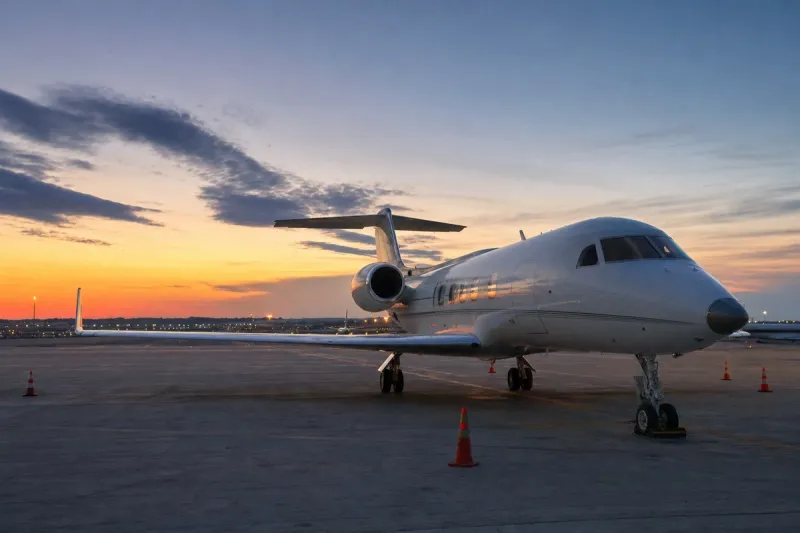
Aviation industry experts have attributed the many incidents involving private jet operations in Nigeria to laxity in safety regulation. They warned that continued complacency could lead to more serious accidents that damage the country's reputation as a safe operating environment.

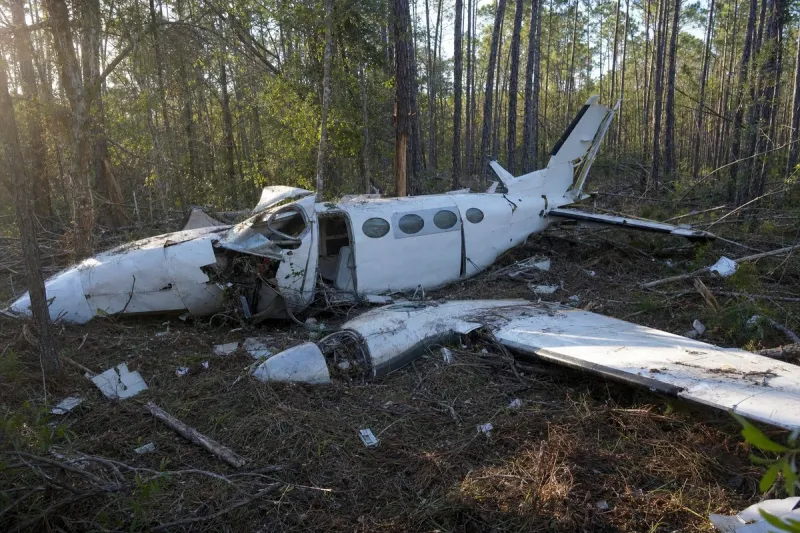
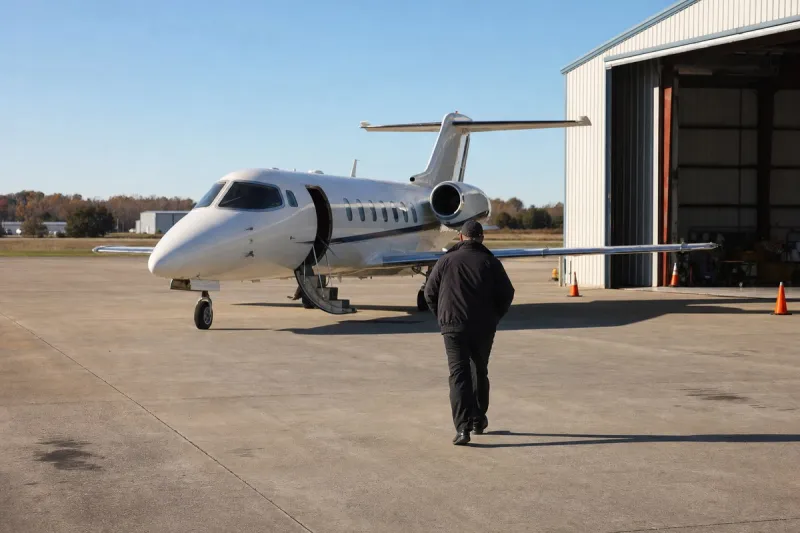
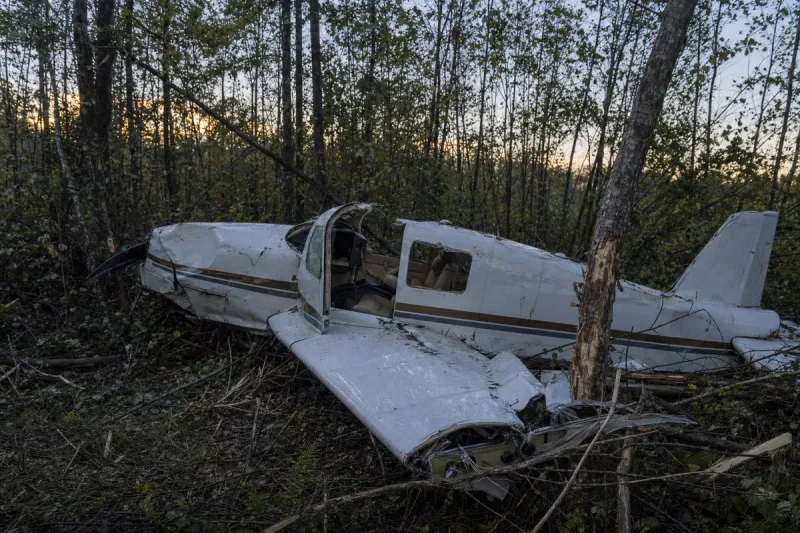
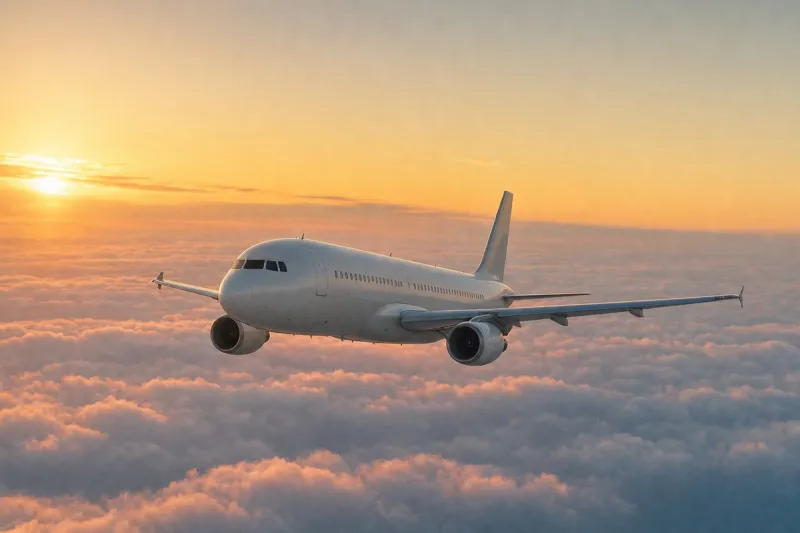
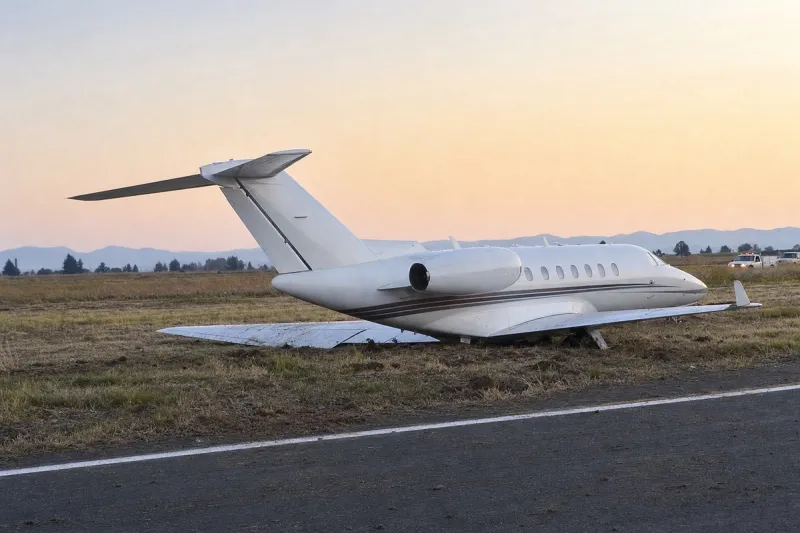
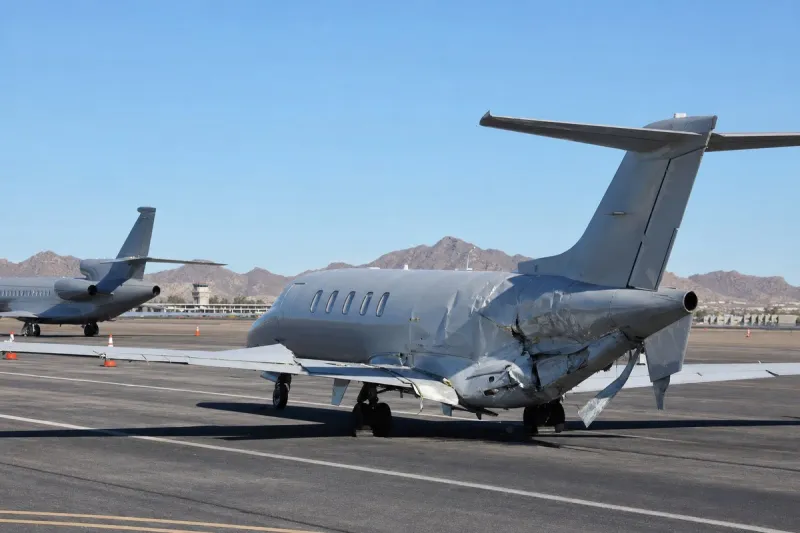
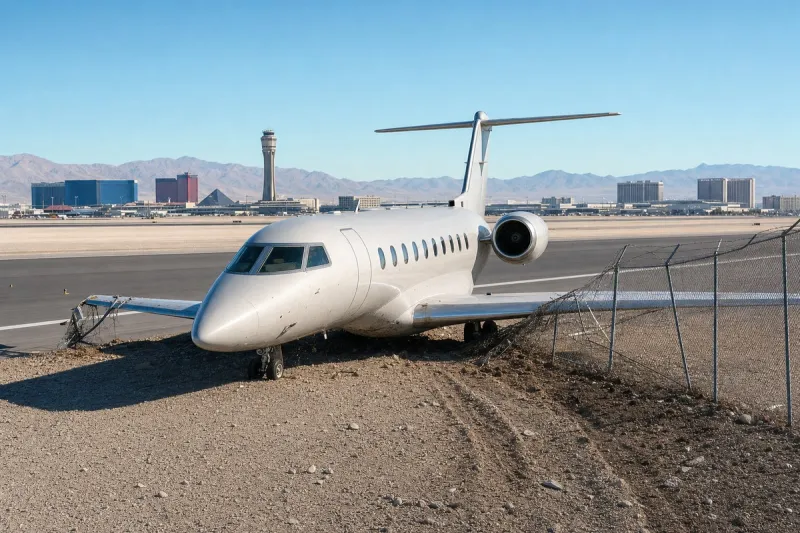
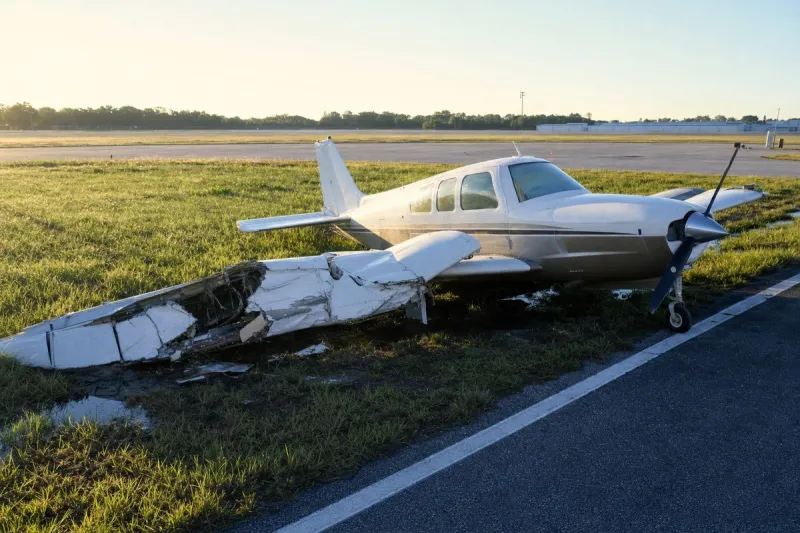
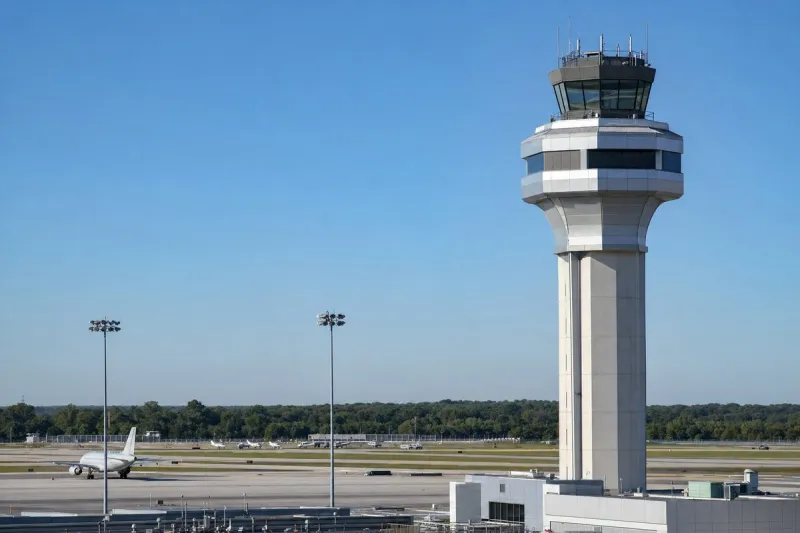
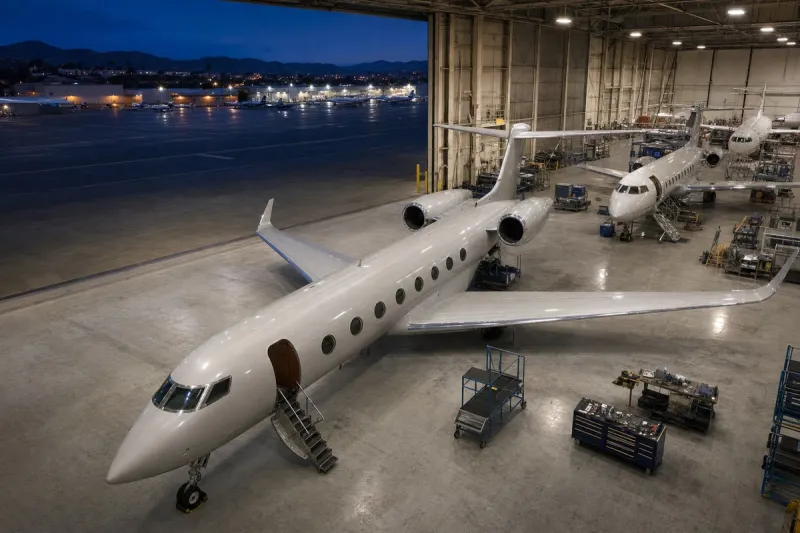
A Triton Aviation Challenger jet lost an entire cabin door mid-flight over Abuja before returning for an emergency landing at Nnamdi Azikiwe International Airport. The date is given as October 15. Other incidents listed include the Flint Aero HS125 accident in Ibadan on November 3, 2023, and the Challenger CL-601 runway overrun in Ibadan on January 26, 2024. Some of these accidents, especially those involving helicopters, resulted in fatalities.
Experts link the incidents to the flexibility given to private jet operators and to poor oversight by the Nigeria Civil Aviation Authority (NCAA). Captain Samuel Caulcrick, an industry consultant and former Rector of the College of Aviation Technology (NCAT), Zaria, said scheduled commercial airlines face stricter regulatory scrutiny than general or business aviation.
Caulcrick said commercial carriers fund regulators such as the US Federal Aviation Administration (FAA) or national authorities such as the NCAA through percentage-based ticket sales charges and passenger facility fees. Private business jets sell no tickets and contribute mainly through a flat-rate fuel tax and minimal landing fees. He said private flights account for roughly seven per cent of total air traffic but contribute only 0.6 per cent of tax revenue into systems such as the FAA trust fund. He argued that commercial passengers disproportionately subsidise the cost of shared aviation infrastructure, so airlines receive more scrutiny.
Industry impact & what to watch
The argument made here is structural. Regulators that are financed largely by ticket-based charges have a natural commercial constituency to police, while operators that sell no tickets pay in through fuel taxes and landing fees. When oversight effort follows the money, business aviation ends up with lighter scrutiny, and incidents tend to cluster where scrutiny is thinnest.
For the business aviation segment in Nigeria, the reputational stakes are shared. A string of door losses, overruns and fatal accidents affects how insurers, foreign charter customers and aircraft owners view every operator in the market, including those with strong safety records. Experts quoted warn that complacency could lead to more serious accidents.
What would change the picture is visible action from the NCAA on private operator oversight, or a funding approach that ties business jet activity more closely to the cost of supervising it. Findings on the Abuja cabin door event would be the clearest near-term test of how the regulator treats a private operator.