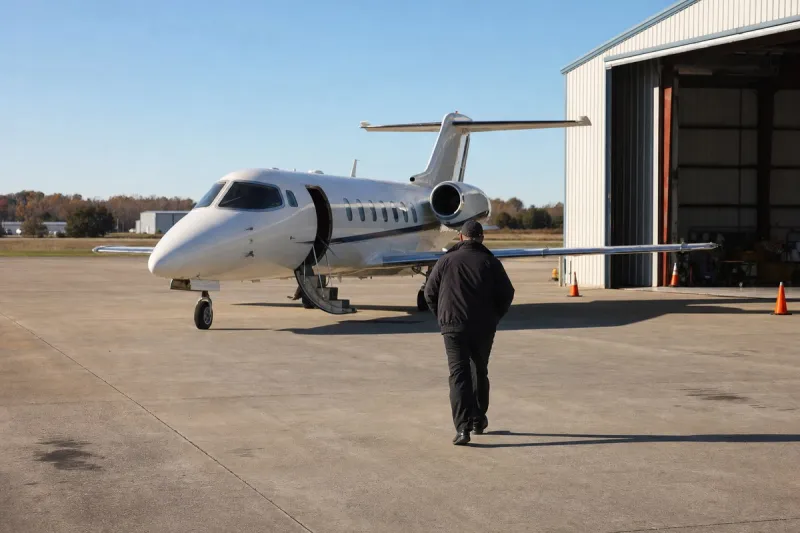
Pilots Can Legally Fly Without a Radio in Class G and Parts of Class E Airspace, but Not Near Towered Airports or Under IFR
Why It MattersThe rules tie radio exemption to airspace class rather than to aircraft type, so a route's legality can change at a single boundary and equipment decisions follow the airspace a flight crosses.
What happened
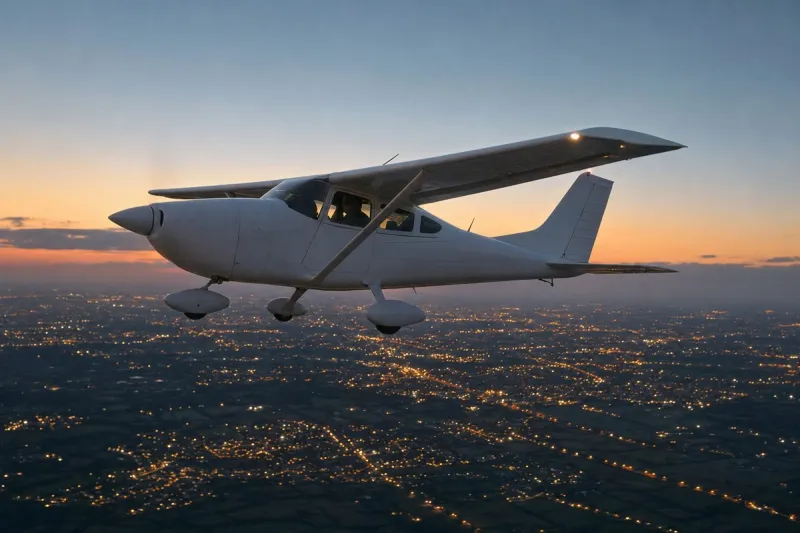
Pilots can legally operate aircraft without an onboard radio in parts of US airspace if the flight meets airspace, operating and equipment requirements. Under visual flight rules (VFR), Class G airspace generally requires no routine two-way communication with air traffic control (ATC), and much of Class E airspace carries no such requirement either.
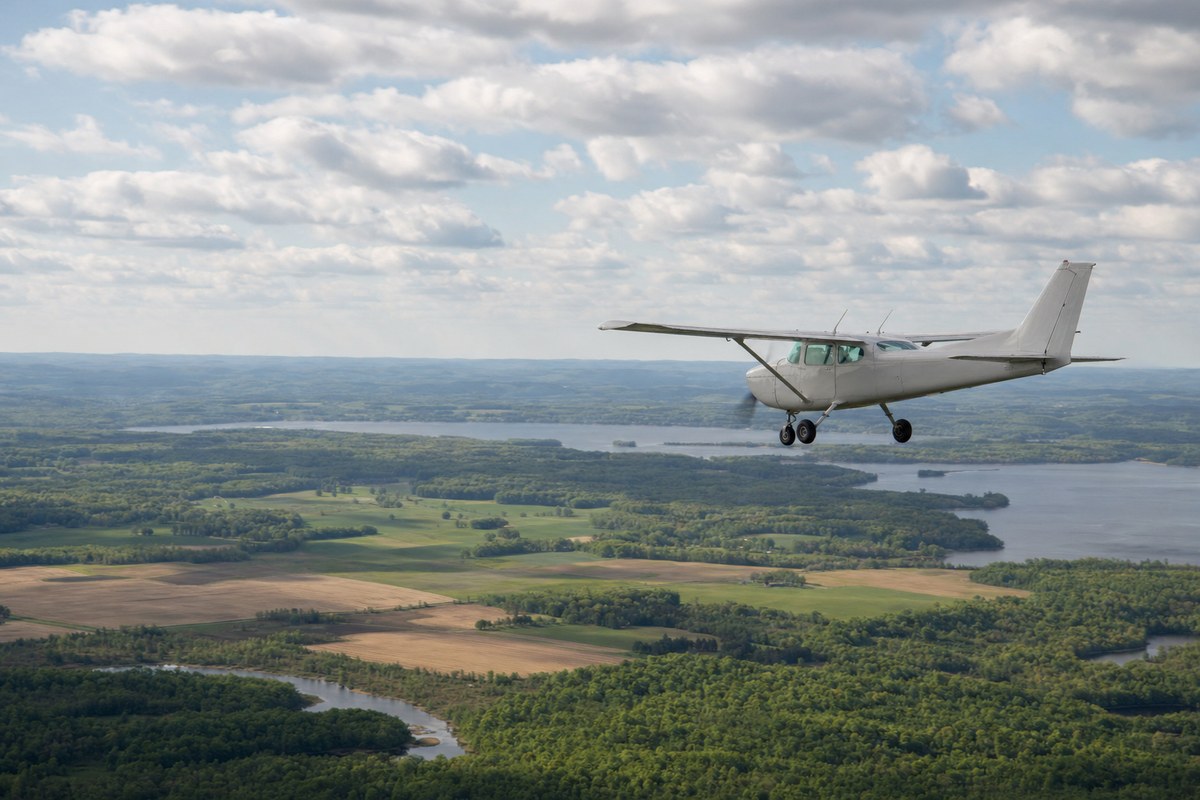
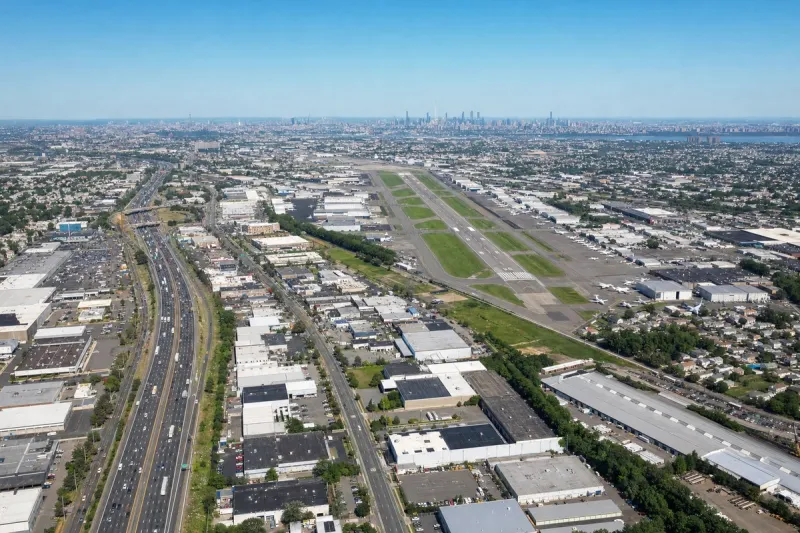
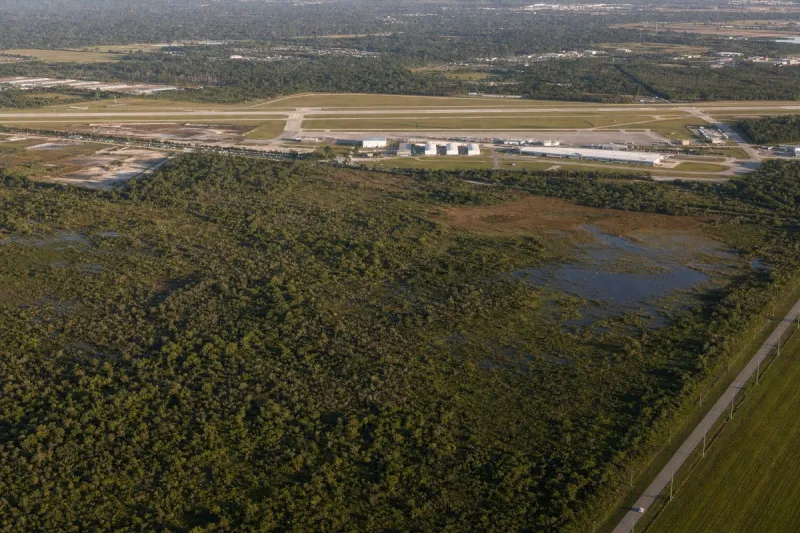
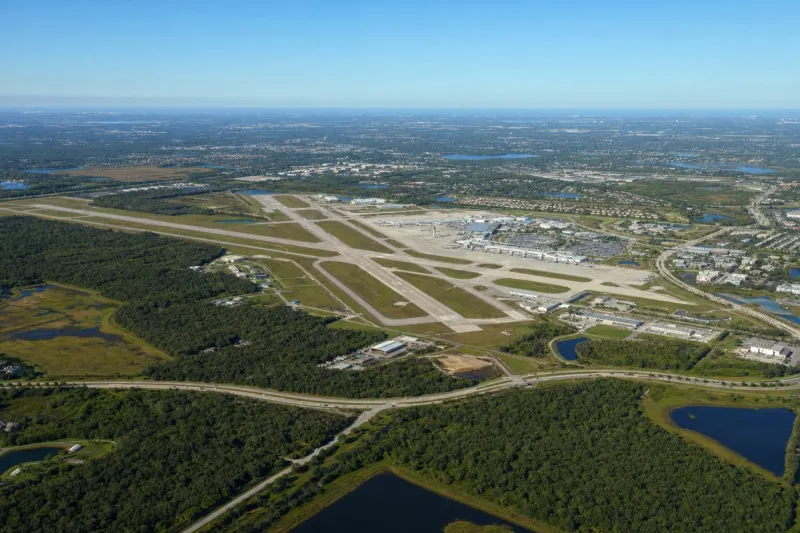
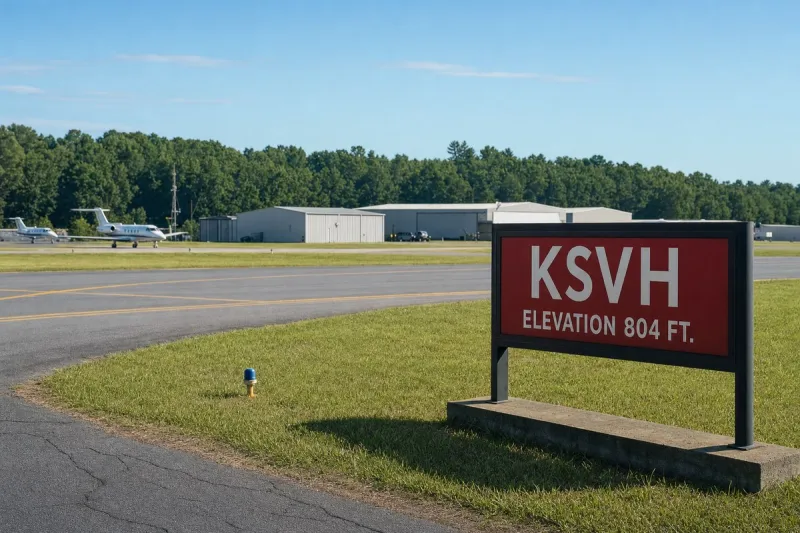
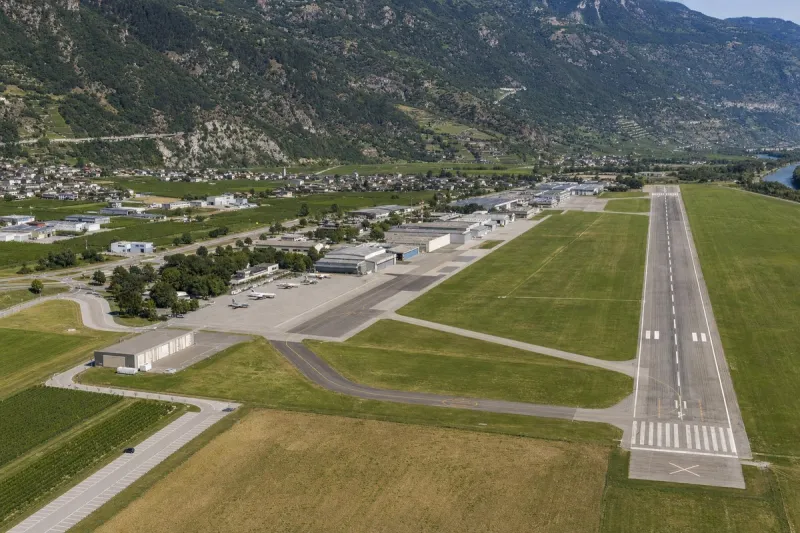
The Federal Aviation Administration (FAA) defines Class G as airspace not designated Class A, B, C, D or E. It is commonly found near the surface in rural areas and around airports without operating control towers. Pilots there must still follow federal regulations, including minimum safe altitudes, right-of-way rules, and visibility and cloud-clearance requirements. Under 14 CFR § 91.155, weather minimums differ between lower-level Class G operations and flights at higher altitudes, and pilots remain responsible for seeing and avoiding other aircraft.
Class E is controlled airspace, but unlike Classes B, C and D it generally imposes no routine two-way communication requirement on VFR aircraft. It can begin at the surface, 700 feet (213.36 meters) above ground level, 1,200 feet (365.76 meters) above ground level, or another designated altitude. Instrument flight rules (IFR) flights in controlled airspace require clearance and a two-way radio, and the equipment list in 14 CFR § 91.205 includes a two-way radio communication system for IFR operations.
Where a radio becomes mandatory
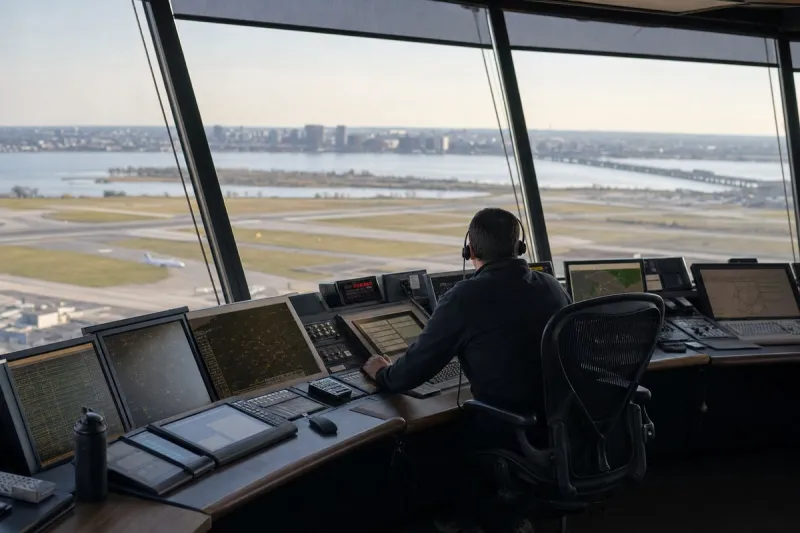
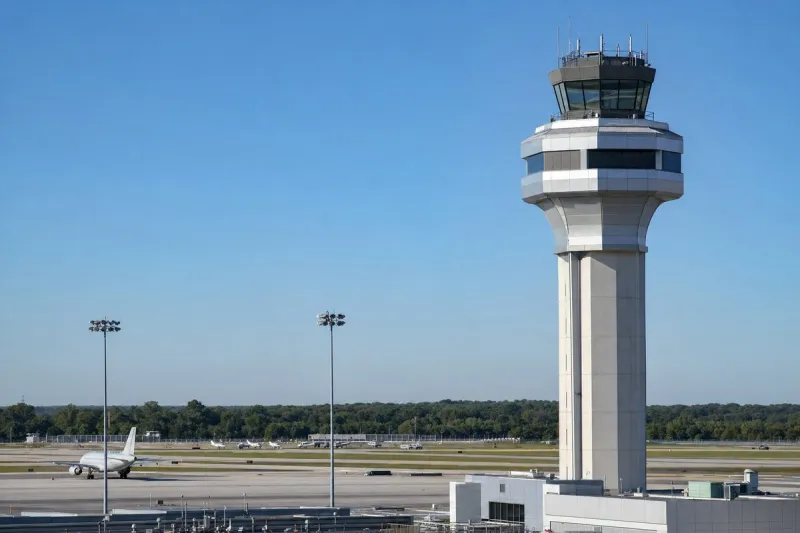
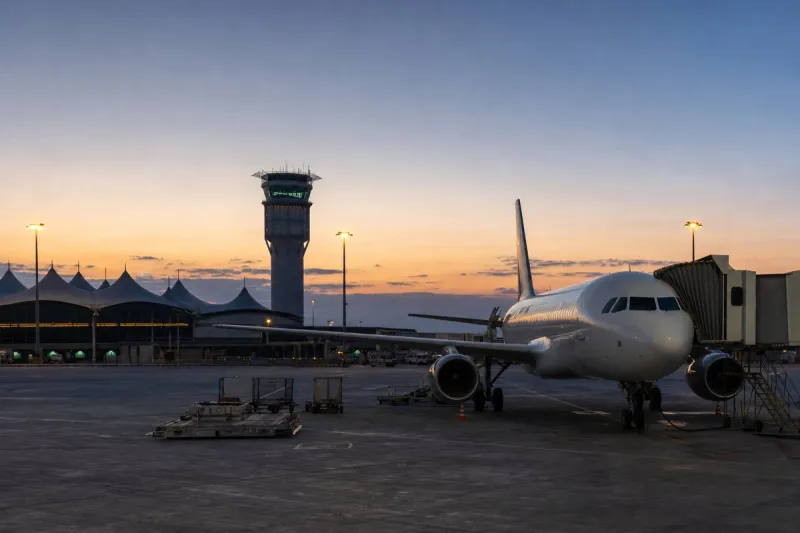
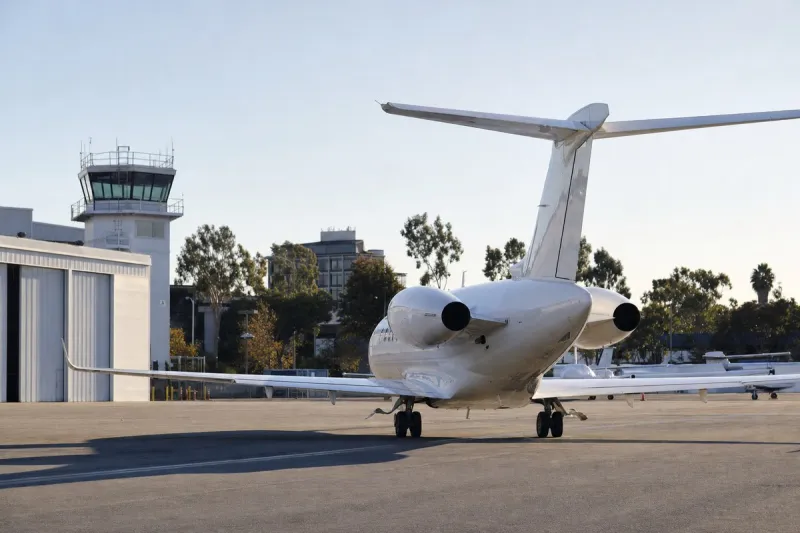
Communication becomes mandatory near busier airports. Pilots must establish two-way radio contact with the appropriate ATC facility before entering Class C or Class D airspace and maintain it while inside. Departures from airports with operating control towers also generally require communication with the tower. Class B airspace additionally requires an explicit ATC clearance and an operable two-way radio.
A route that starts in uncontrolled airspace can therefore become unsuitable if it crosses a Class B, C or D boundary. Tower operating hours can also change the applicable airspace classification.
The FAA distinguishes an aircraft with no radio installed ("NORDO") from one whose radio has failed. For an arriving aircraft with an inoperative receiver, the Aeronautical Information Manual generally directs the pilot to remain outside or above the Class D surface area until traffic direction and flow are determined, then advise the tower of position, altitude, type and intention to land, and request handling through light-gun signals. If a failure is found before departure from a towered airport, the pilot should make reasonable efforts to repair the equipment and, if unable, telephone the tower.
Industry impact & what to watch
The framework ties communication duties to airspace class and flight rules instead of to the aircraft itself. In practice, a radio-less aircraft is a legitimate tool for rural, low-altitude VFR flying in Class G and many Class E areas, while any route touching a towered airport, Class B, C or D airspace, or an IFR clearance needs a working radio.
For flight schools, owners of older aircraft and operators based at uncontrolled fields, that boundary logic decides whether a particular trip is feasible. Route planning has to be checked against airspace classes and tower hours together, because a legal leg can turn non-compliant at a single boundary or when a tower's operating schedule changes the classification.
The NORDO-versus-failure distinction also shapes how towers handle arrivals. An aircraft that never carried a radio and one that lost it in flight are treated through the same light-gun procedures at a towered field, so the practical constraint remains the airspace around the destination, not the paperwork of the aircraft.