Skyguide Halves Swiss Airspace Capacity After Radar System Fault; Zurich and Geneva Flights Resume
Why It MattersA single fault in a radar-image system can force a national air traffic provider to halve capacity, showing how little redundancy buffer a centralised airspace network has when one core tool degrades.
What happened
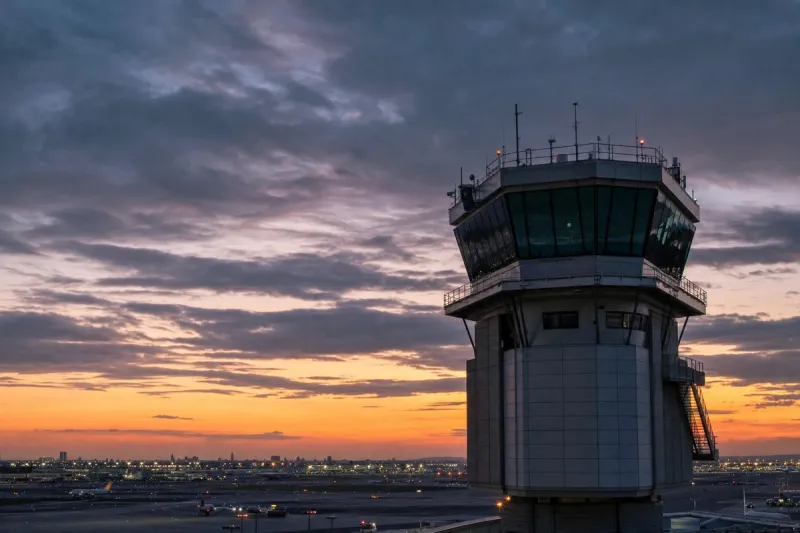
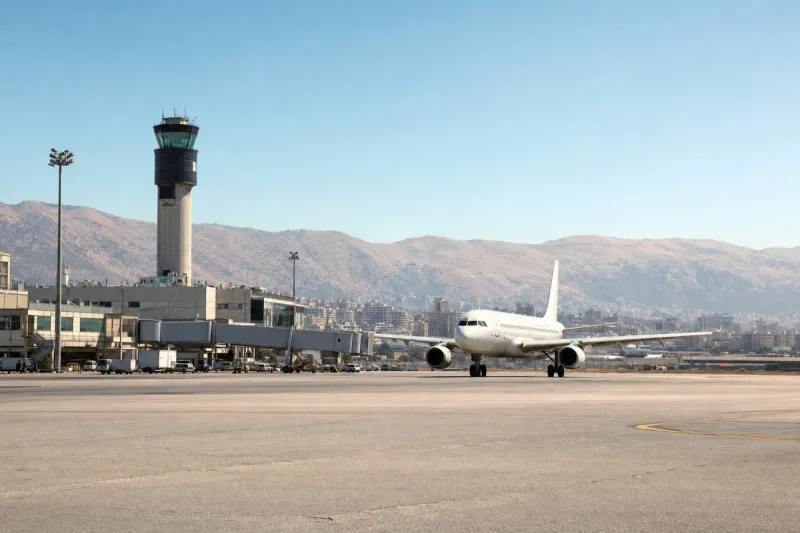
A technical malfunction at air traffic control provider Skyguide on Tuesday reduced capacity in Swiss airspace by 50 percent. Takeoffs and landings at Zurich and Geneva airports were briefly suspended but have since resumed, Skyguide announced.
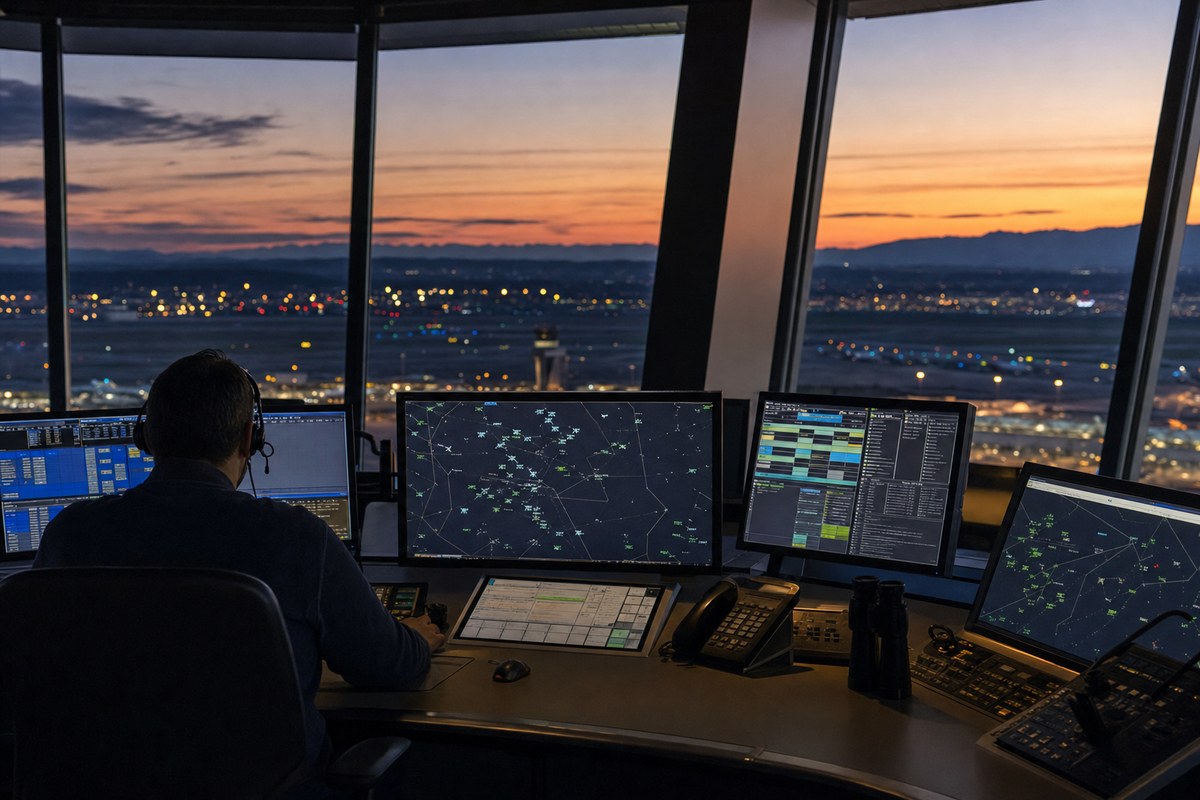
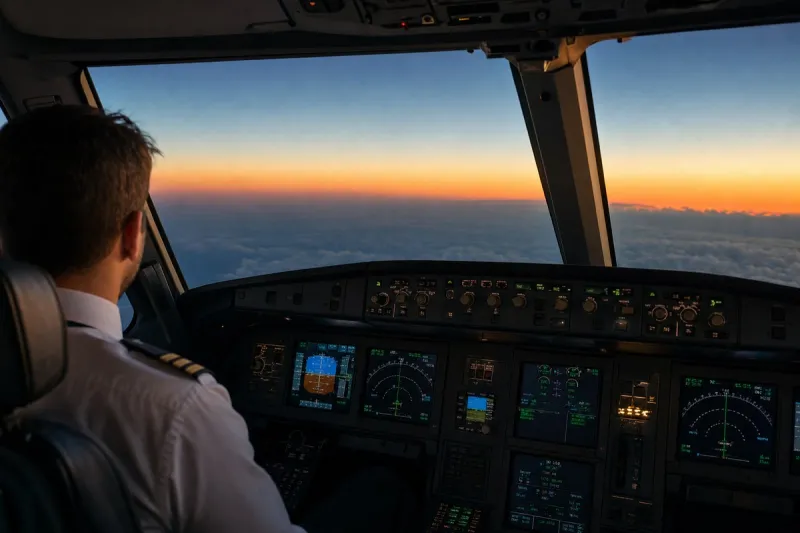
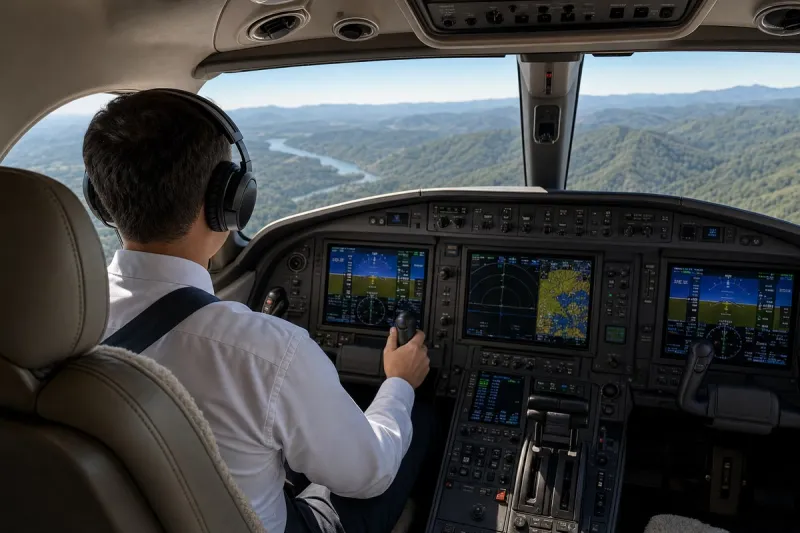
The fault affected the system that generates the radar image air traffic controllers use to monitor air traffic. Skyguide halved airspace capacity as a precautionary measure.
According to Skyguide, a crisis response team is working around the clock to resolve the disruption and minimize its impact on flight operations.
Industry impact & what to watch
A fault in the system that produces the radar picture goes to the core of how controllers separate traffic. When that tool is degraded, the usual response is to cut the number of aircraft handled at once, which is what a 50 percent capacity reduction amounts to. The effect then reaches beyond the country's own airports, because overflights and arrivals all depend on the same controlled airspace.
For operators, the practical consequence of a capacity cut is delay, holding and rerouting rather than outright closure, even after Zurich and Geneva resumed takeoffs and landings. Schedules, crew duty limits and slot-dependent business flights are the areas where such a restriction tends to show up first.
The next milestone is Skyguide announcing that the radar-image system is restored and that capacity is back to normal. Until that statement, the crisis response team's round-the-clock work is the indicator to follow.